Online Irritable Bowel Syndrome (IBS) Treatments & Prescriptions

Book a quick face-to-face video consultation with a certified prescribing pharmacist, nurse, or doctor. If approved, your Irritable Bowel Syndrome (IBS) treatment will be prescribed* and delivered straight to your door with free next-day delivery†. No hidden fees. No delays. Just expert care.

* Includes Free Private Prescription & Consultation.

† Applies to UK only.

Start Your Treatment Today

Available Treatments for Irritable Bowel Syndrome (IBS)
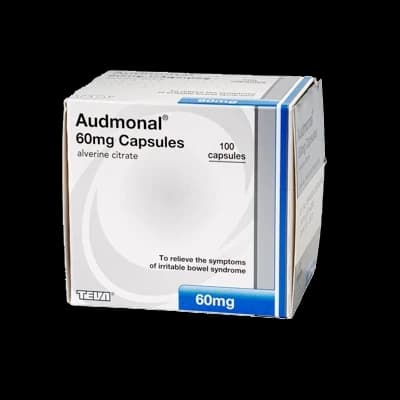
Alverine packaging which is available to order online from NowPatient with free next day delivery

Alverine

  • FREE secure consultation service
  • Fast and effective treatment
From £17.99
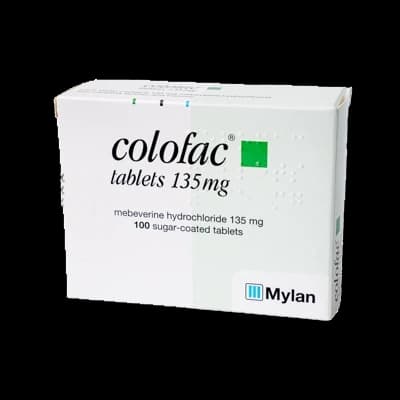
Colofac packaging which is available to order online from NowPatient with free next day delivery

Colofac

  • FREE secure consultation service
  • Fast and effective treatment
From £32.84

Safe Prescribing

Get Started With the Right Treatment for You

No need to visit a doctor or wait for an appointment. With our virtual consultation service, you can see a clinician online from the comfort of your home. Start your free assessment and get a treatment recommendation tailored to you. You only pay if medication is prescribed.

Key facts about Irritable Bowel Syndrome (IBS)

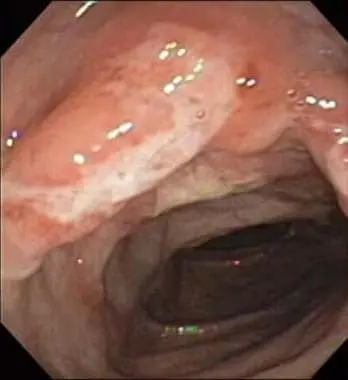
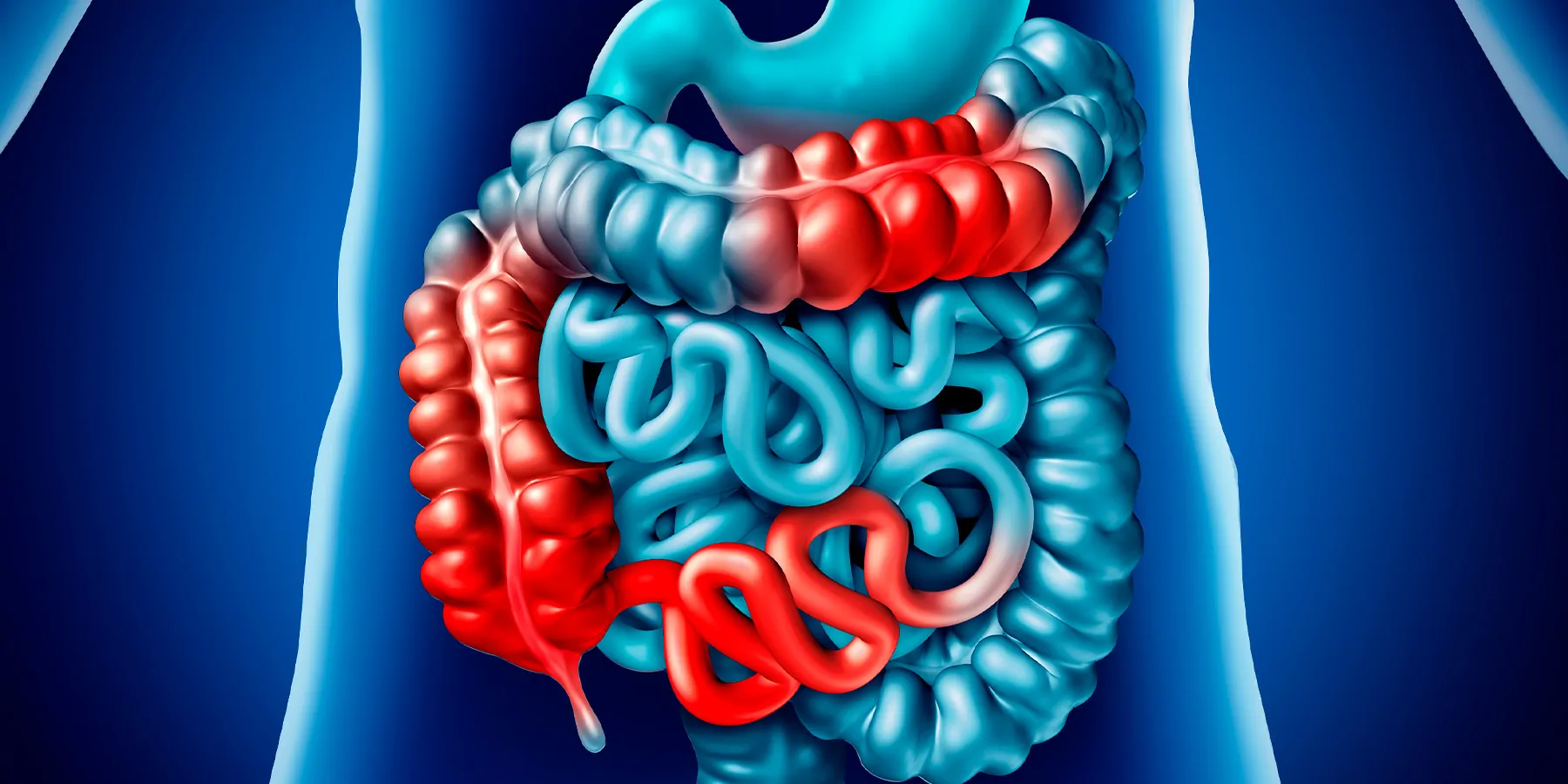
Irritable Bowel Syndrome (IBS) is a disorder that affects the intestine, causing abdominal pain, cramping, and changes in bowel movements. Here, we will take a closer look at the causes, symptoms, and treatment options available.

What is Irritable bowel syndrome?

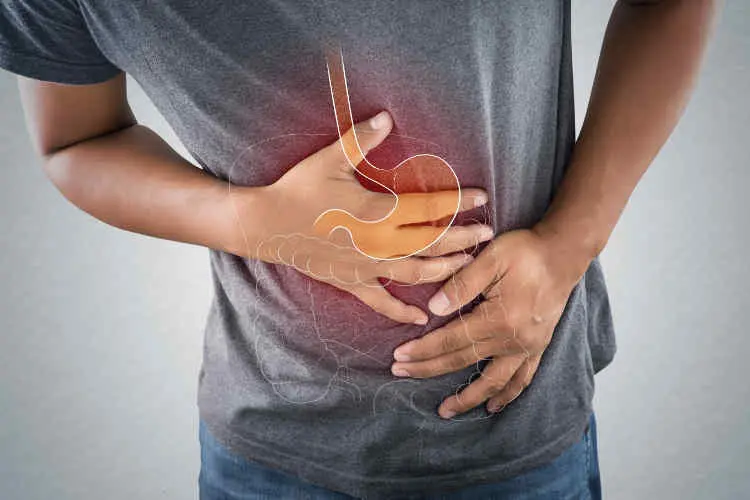
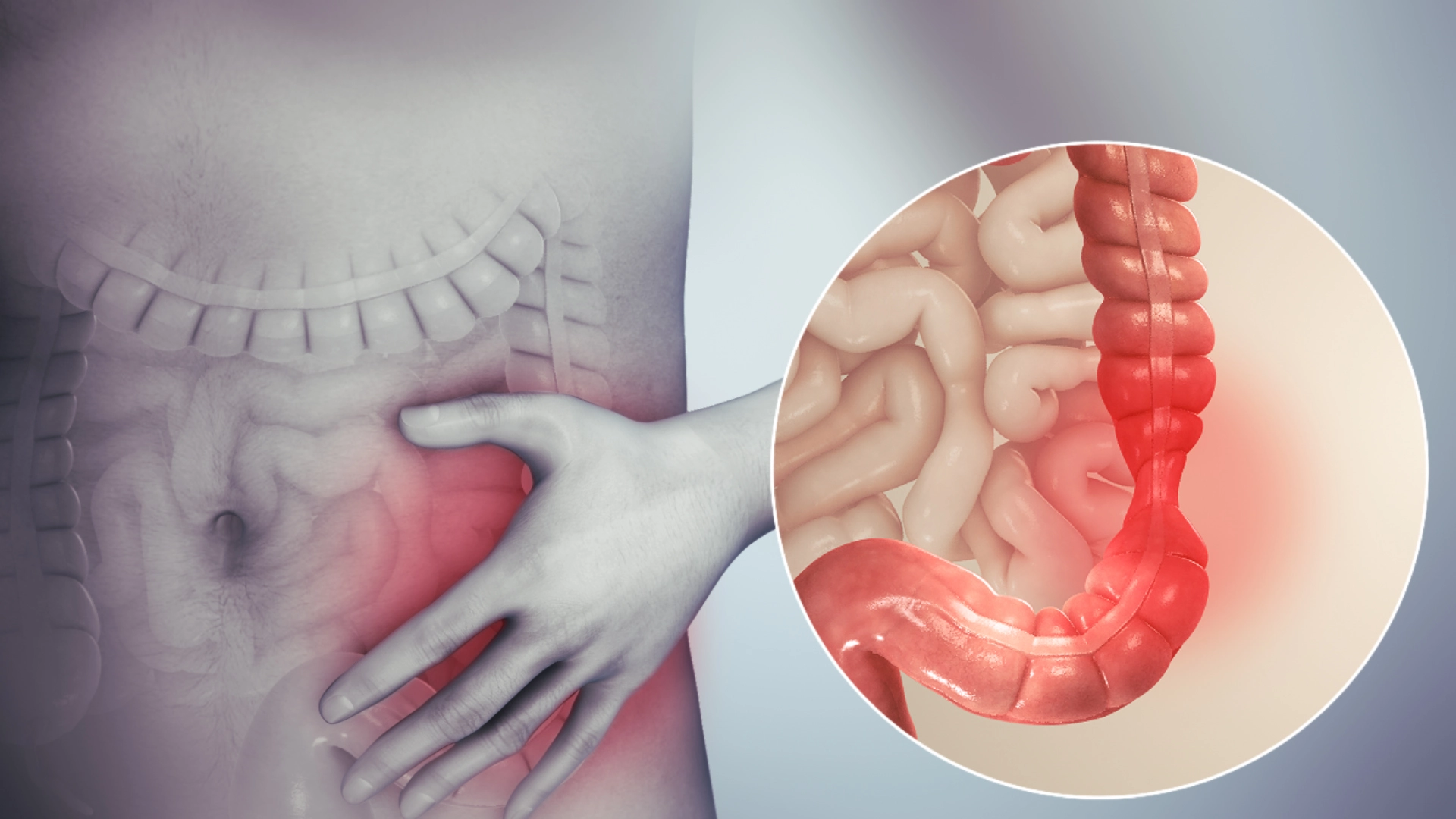
IBS is a chronic disorder of the digestive system. Symptoms, include bloating, cramping, stomach pain, and changes in bowel movements. Symptoms may appear as diarrhoea, constipation, or both.

The exact cause of IBS is not known but is thought to be due to hypersensitivity of the nerves in the gut, abnormal contractions of muscle in the intestines, and an imbalance in gut bacteria.

IBS does increase your risk of developing Crohn’s disease, colitis, ulcerative colitis or colon cancer. You are however recommended to be tested for coeliac disease.

Types of IBS

Each subtype of IBS has specific patterns of bowel movement:

  • IBS-D (Irritable Bowel Syndrome with diarrhoea): With frequent, loose, watery stools
  • IBS-C (Irritable Bowel Syndrome with constipation): With infrequent bowel movements and difficulty passing stools
  • IBS-M (Mixed Irritable Bowel Syndrome): With a combination of both diarrhoea and constipation
  • IBS-U (Unclassified Irritable Bowel Syndrome): When symptoms do not fit any particular category

Symptoms of IBS

Common symptoms of irritable bowel syndrome include:

  • Abdominal pain and cramping
  • Changes in bowel movements
  • Diarrhoea, constipation, or both
  • Bloating
  • Flatulence
  • Urgency to have a bowel movement
  • Mucus in the stool

IBS symptoms can impact a person’s quality of life greatly, causing tiredness, anxiety, and depression. Speak to a healthcare professional if you experience persistent changes in bowel habits or have any other concerning symptoms.

Causes and triggers of IBS

Potential triggers include:

  • Muscles in the intestines contracting more forcefully and for longer than usual
  • A lack of coordination between the brain and intestines resulting in an overreaction to digestive processes
  • Severe gastrointestinal infection, such as gastroenteritis
  • Early life stress, including physical, sexual, or emotional abuse
  • Changes in gut microbes
  • Certain foods such as those containing gluten, wheat, dairy products, beans and carbonated drinks
  • Increased stress can contribute to flare-ups of IBS

Identifying and avoiding triggers is an essential part of managing IBS.

Medical history and physical examination

Diagnosis will require a family history of the nature, frequency, and duration of symptoms to be taken. Potential triggers or factors that make symptoms worse will also need to be identified. An examination may be carried out to rule out other potential conditions such as a gluten or lactose intolerance.

Diagnostic criteria for IBS

The Rome IV criteria is often used for the diagnosis of IBS. Patients must show signs of recurring abdominal pain or discomfort, lasting for at least 6 months. Symptoms must last for at least 3 days each month in the past 3 months.

Symptoms must include those linked to a change in bowel movements and the absence of bleeding, weight loss, or anemia. Blood tests, stool tests, X-rays, CT scans, colonoscopy, or endoscopy may be required to rule out other conditions.

Exclusion of other conditions

Other conditions that may present with similar symptoms, such as inflammatory bowel disease (IBD), celiac disease, and colon cancer, must be ruled out before a diagnosis of IBS can be established. This may involve additional tests such as blood tests, stool tests, and imaging studies.

It is essential to consult with a healthcare professional for an accurate diagnosis, as self-diagnosis can lead to unnecessary anxiety and delays in appropriate treatment.

Treatments for IBS

Lifestyle changes

  • Stress reduction techniques such as relaxation exercises, hypnotherapy, and meditation
  • Regular physical activity, such as walking, yoga, or swimming
  • Establishing a sleep schedule and practicing good sleep hygiene

Dietary changes

  • Increasing fiber supplements can help regulate bowel movements
  • Low FODMAP diet to restrict foods high in fermentable carbohydrates (FODMAPs) and reintroducing them gradually to identify triggers
  • Keeping a food diary to track symptoms and identify potential triggers
  • Drinking water and staying hydrated

Medications

  • Antispasmodics such as Colofac to relax muscles in the gastrointestinal tract, to reduce abdominal pain and cramping
  • Over the counter anti-diarrheal medications such as loperamide
  • Laxatives to relieve constipation
  • Probiotics to restore a balance of gut bacteria and alleviate symptoms
  • Tricyclic antidepressants to block the action of neurons that control the intestines

Psychological Interventions

  • Cognitive behavioral therapy (CBT) to identify and modify behaviors that contribute to IBS symptoms
  • Relaxation techniques such as deep breathing exercises, progressive muscle relaxation, and guided imagery
  • Mindfulness-based stress reduction (MBSR) combines mindfulness, body awareness, and yoga to reduce stress

Frequently asked questions

What is IBS?

IBS is a disorder of the digestive tract. Symptoms, include cramping, bloating abdominal pain, and changes in bowel movements. Symptoms appear as diarrhoea, constipation, or both.

What are the main symptoms of IBS?

The main symptoms of IBS vary from person to person, but include abdominal pain, changes in bowel habits, diarrhoea, constipation, bloating, flatulence and difficulty passing stools.

Are there different types of IBS?

There are 4 types of IBS, irritable bowel syndrome with diarrhoea (IBS-D), irritable bowel syndrome with constipation (IBS-C), mixed irritable bowel syndrome (IBS-M), and unclassified irritable bowel syndrome (IBS-U).

Is IBS curable?

Currently, there is no cure for IBS, but various medications and lifestyle changes can help manage and improve symptoms. These include changes to your diet, stress management, exercise and probiotics.

What changes should I make to my diet if I have IBS?

One approach is the low FODMAP diet. Following this diet plan involves the management of foods high in carbohydrates, and gradually reintroducing them into your diet to identify triggers.

What changes can I make to my lifestyle if I have IBS?

Regular exercise, adequate sleep, stress management, deep breathing exercises, meditation, hydration, and regular meal times can all help support your gut health.

Conclusion

Irritable Bowel Syndrome is a disorder that affects the gastrointestinal tract. Symptoms include cramping, bloating, and changes in bowel movements. What causes IBS is not known, but abnormal muscle contractions, changes to the nervous system, and changes in the balance of gut bacteria are all thought to play a part. Treatment for IBS includes lifestyle, dietary, medication, CBT, and meditation.

Sources

Related Articles

Your health shouldn’t wait.

Consultations, prescriptions, medication delivery, health monitoring – all in one place.

What customers love about NowPatient

Wow! Excellent customer service. I submitted an email query, had a call…

Alison Hurst

I do not leave reviews, due to time and a rare condition I have. I…

Sherry M

Great experience getting the med. Clinician was very thorough.

Barbara Hill

Cannot speak highly enough of the service and assistance I have…

CJH

Very good experience - the clinician asked intelligent questions about…

Phil Daoust

Really excellent. Very thorough and professional pharmacist who guided…

Colin Glass

Excellent4.9 out of 5Trustpilot

Meet our medical team

We are a broad skilled and passionate group of clinicians with experience of operating in regulated health systems in the United Kingdom & United States. Providing excellent care and advice is at the heart of everything we do.