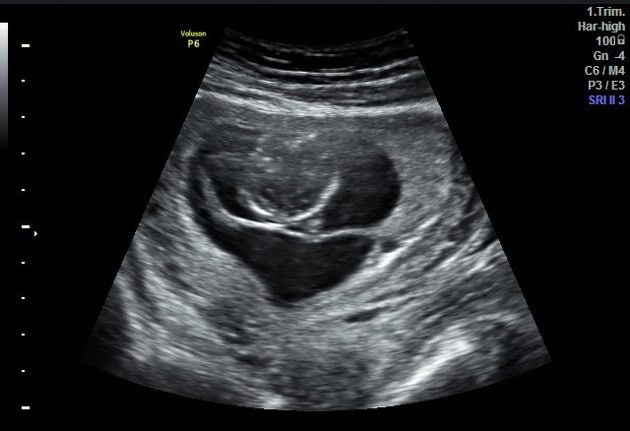
A hematoma is usually defined as a pool of blood that forms outside of blood vessels due to injury or trauma. It almost like a bruise. A hematoma can be seen under the skin and can be swollen, discolored, and feel warm. A hematoma is relatively harmless but in some circumstances it signal a serious health issue.
This blog aims to give you a deeer understanding of the causes of a hematoma, how to spot the symptoms, and the treatment options available.
Understanding Hematoma
The defintion of hematoma is a collection of blood that occurs outside of blood vessels in various forms, depending on the location within the body. Common types include subcutaneous (under the skin), intracranial (between the brain and the dura mater), retroperitoneal (in the abdominal cavity), epidural hematoma (between the skull and the dura mater), intramuscular (within muscles), and subungual (under a toenail or fingernail). Each type of hematoma raises various levels of risk and potential complications. Intracranial hematomas are the most severe due to their effect on brain function.
Formation and causes
Hematomas appear when a blood vessel is damaged, allowing blood to leak into surrounding tissues, resulting in a clot as it pools. This happens due to physical injury, surgical procedures, or underlying medical conditions, such as high blood pressure. Certain medications or blood disorders can interfere with blood clotting and can worsen the severity of a hematoma. Activities or situations that increase the risk of injury or trauma can also increase the likelihood of hematoma development, such as a fall, a car accident, head injury or an aneurysm.
Symptoms
The common symptoms of a hematoma include visible bruising, also known as a contusion or ecchymosis, swelling, and pain around the injured area. Intracranial hematomas symptoms are more severe and might extend to headaches, dizziness, or confusion due to the blood collecting in the brain tissue.
The impact of a hematoma on the body ranges from minor discomfort that resolves without medical intervention, to life-threatening complications that require immediate surgical treatment.
Causes of Hematomas
- Hematomas often result from physical injury such as falls, car accidents, or sports injuries that cause microscopic tears in blood vessels
- Medical surgeries, dental procedures, and injections can damage blood vessels, resulting in hematomas
- In rare cases, hematomas may develop without any obvious cause, highlighting their complexity
- Medications like warfarin and and over-the-counter supplements such as aspirin and vitamin E increase the risk of bleeding and in turn, the formation of hematomas
- Medical conditions such as chronic liver disease, bleeding disorders, and blood cancers can put individuals at a higher risk for hematomas. Excessive alcohol consumption and low platelet counts are also significant risk factors
General symptoms of Hematomas
- Discolouration of the affected area, with red, purple, or black bruising as blood pools under the skin
- There is often striking swelling and inflammation, due to the accumulation of blood outside the blood vessels
- Tenderness and pain around the area of the hematoma
- The skin over the hematoma is tender and red
Location-specific symptoms
The symptoms of hematomas can vary significantly depending on their location within the body:
- Symptoms of intracranial hematomas are severe headaches, vomiting, confusion, drowsiness, unequal pupil sizes, slurred speech, and loss of consciousness
- Symptoms of subdural hematomas are chronic headaches, confusion, changes in personality and speech difficulties
- Subcutaneous hematomas symptoms are normally visible as a bruise or discolored skin along side swelling
- Subungual hematomas appear as intense pain under the nail, typically with it becoming discolored, swollen, and sensitive
Serious conditions
Some hematoma have more severe complications:
- Seizures and difficulty in movement, which could suggest internal bleeding or the build up of pressure in areas like the brain
- Intracranial hematomas may have delayed symptoms, but can be life-threatening as they progress. Patients with this type of hematoma need to be monitored closely
- Abdominal pain and changes in bowel or bladder control can signify serious underlying problems that need medical attention. Internal hematomas might need a CT scan to detect
Follow up is vital for these symptoms, especially after an injury or surgery.
Treatment
- The quickest way to treat a hematoma is by following the RICE method: Rest, Ice, Compression, and Elevation. Applying ice or a cold pack to the affected area for 20 minutes at a time and repeating 4 to 8 times a day can significantly reduce inflammation and alleviate symptoms
- Over-the-counter pain medication can be used to manage discomfort associated with less severe hematomas. Patients need to consult healthcare providers about appropriate usage to avoid exacerbating the condition. When treating a hematoma at home, avoid taking aspirin or ibuprofen. These medications can impede blood clotting, which is crucial for the healing of a hematoma
- Large hematomas might require surgical intervention such as drainage or aspiration to remove pooled blood
- In cases of severe intracranial hematomas, a craniotomy may be necessary to alleviate pressure on the brain
- For patients on anticoagulant therapy who develop hematomas, reversing the effects of blood thinners is critical to reduce the risk of further bleeding



















Conclusion
We have explored the nature of hematomas, from their causes and symptoms to effective treatment options. Some hematomas may resolve with minimal intervention, but others require extensive medical care and attention to prevent long-term damage or more severe health complications. The importance of recognizing symptoms early on and seeking appropriate medical intervention is essential especially in cases that could signify underlying complications.
Sources:
About NowPatient's Editorial Process
- Written by clinical authors
- Reviewed every 2 years
- Conflicts of interest declared
NowPatient's medical content is selected by a panel of practising clinicians (pharmacists, doctors and allied healthcare professionals) and researched by an in-house team of writers who all hold scientific or clinical backgrounds. Sponsorship and conflicts of interest are openly declared.
Every article is peer-reviewed by a clinician for clinical accuracy, evidence base and accessibility, including consideration of the particular characteristics set out in the UK Equality Act 2010. Only then is it released for publication against fixed placement guidelines.
All content is cycle reviewed (typically every two years) and updated sooner if evidence, guidelines or a complaint require it. Changes follow a formal change control procedure and are reflected in the "last updated" date on each article. NowPatient is governed by MiHealth; UK pharmacy services are provided by MiHealth Pharmacy (GPhC 1036487).