














Are cysts different from abscesses?
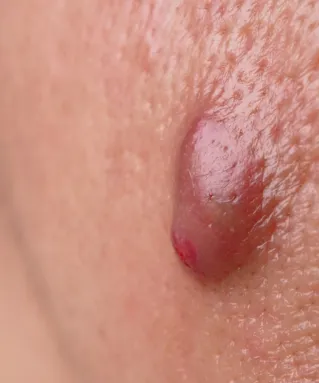
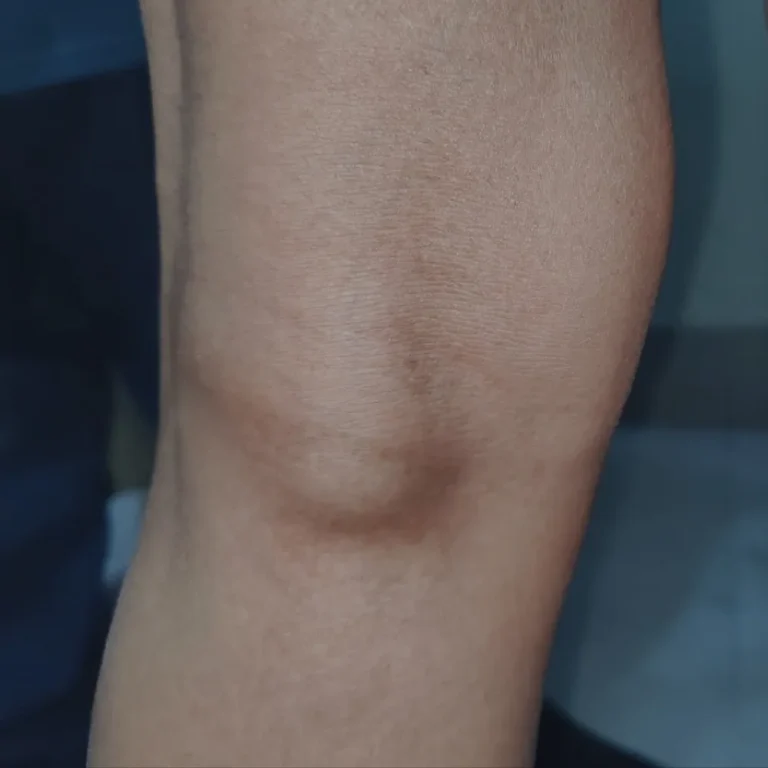
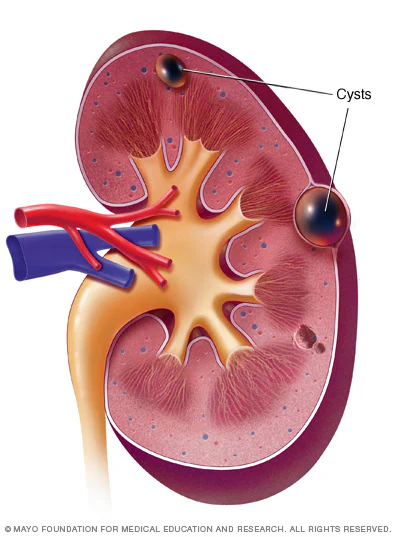
Cysts and abscesses are both abnormal sac-like structures that contain fluid, but they differ in their origins and characteristics. Cysts are typically noncancerous (benign) and form when certain tissues or glands in the body become filled with fluid. On the other hand, abscesses are often caused by an infection, resulting in a buildup of pus and inflammation.
What are breast cysts?
Breast cysts are fluid-filled sacs that develop inside the breast tissue. They are usually noncancerous and can range in size from small to large. Most breast cysts are not visible to the naked eye and require imaging tests like mammography or ultrasound for detection.
Breast cysts may be found in one or both breasts and can present with various symptoms, including:
- A smooth, easily movable lump with smooth edges
- Nipple discharge that may be clear, yellow, straw-colored, or dark brown
- Breast pain or tenderness in the area of the lump
- Changes in lump size and breast tenderness during the menstrual cycle
It is important to note that having breast cysts does not increase the risk of breast cancer. However, the presence of cysts may make it more challenging to identify new breast lumps or changes that require medical evaluation.
What are <a href="https://nowpatient.com/blog/are-ovarian-cysts-dangerous">ovarian cysts</a>?
Ovarian cysts are fluid-filled structures that can form on or inside the ovaries. They can be categorized into various types, ranging from simple and functional cysts to complex and neoplastic cysts. Ovarian cysts are common and can affect women of all ages, but they are more prevalent during the reproductive years.
Common types of ovarian cysts include:
- Follicular and corpus luteal cysts: These cysts are considered functional or physiologic and occur during the normal menstrual cycle. Follicular cysts form when follicles fail to rupture during ovulation, while corpus luteal cysts result from the failure of the corpus luteum to dissolve after ovulation
- Theca lutein cysts: These cysts are luteinized follicle cysts that develop due to overstimulation and elevated levels of human chorionic gonadotropin (hCG). They can occur during pregnancy, gestational trophoblastic disease, multiple gestation, or ovarian hyperstimulation
- Polycystic ovary syndrome (PCOS): PCOS is a hormonal disorder characterized by enlarged ovaries with multiple small follicular cysts. It is associated with infertility, diabetes mellitus, and cardiovascular disease
- Neoplastic cysts: Neoplastic cysts arise from abnormal cell growth within the ovaries and can be either benign or malignant. They include various types such as serous and mucinous tumors, stromal or germ cell element cysts, and dermoid cysts