These services are just sign up away




















Related articles
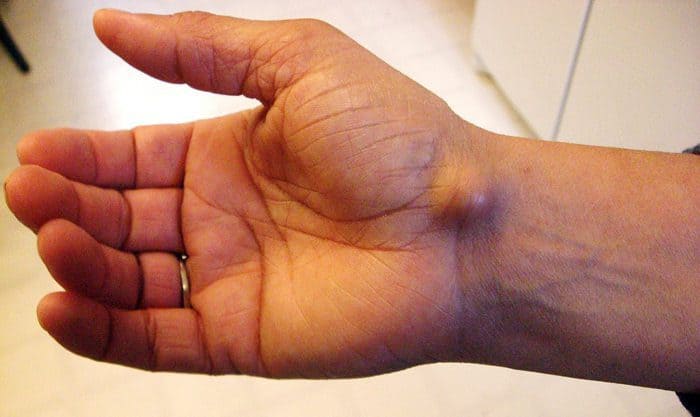
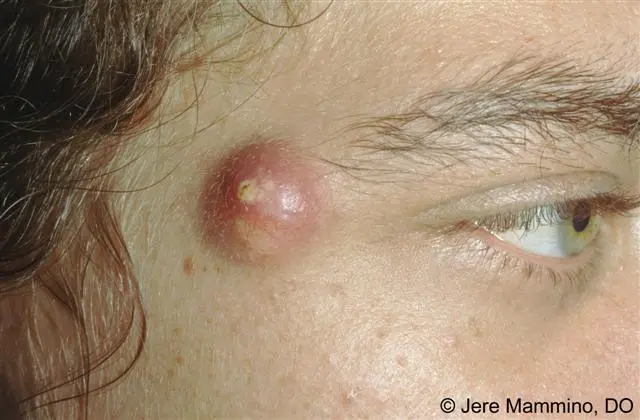
Can ingrown hair cysts be prevented?
While it may not be possible to prevent ingrown hair cysts entirely, adopting proper hair removal techniques, exfoliating regularly, and keeping the skin moisturized can help reduce the risk of ingrown hair.
How long does it take for an ingrown hair cyst to heal?
The healing time for an ingrown hair cyst can vary depending on the individual and the severity of the cyst. In most cases, with proper care and treatment, ingrown hair cysts can resolve within a few weeks.
Are ingrown hair cysts contagious?
No, ingrown hair cysts are not contagious. They are a result of hair follicle blockage and do not spread from person to person.
Are there any shaving tips to prevent ingrown hair cysts?
- Exfoliate: Gently exfoliate your skin using a scrub or exfoliating brush. This helps remove dead skin cells and allows for a closer shave
- Wet your skin: Wet your skin with warm water to soften the hair and open up the pores
- Apply shaving cream: Use a shaving cream or gel to create a smooth surface and reduce friction while shaving
- Use a single-blade razor: Single-blade razors are less likely to cause irritation and ingrown hairs compared to multi-blade razors
- Replace your razor regularly: Dull blades can lead to more irritation and ingrown hairs. Replace your razor blade frequently to ensure a clean, smooth shave
- Avoid shaving too closely: Shaving too closely can increase the risk of ingrown hairs. Leave a small amount of stubble to prevent bacteria from entering the hair follicles
- Go with the grain: Shave in the direction that the hair is growing to minimize irritation and ingrown hairs
- Avoid going against the grain: Shaving against the grain can result in a closer shave, but it also increases the risk of ingrown hairs. If you must shave against the grain, proceed with caution
- Rinse with cold water: After shaving, rinse your skin with cold water to close the pores and soothe any irritation
- Apply aftershave: Use an aftershave product that contains ingredients like witch hazel or tea tree oil to reduce inflammation and prevent infection
- Moisturize: Apply a moisturizer or lotion to keep your skin hydrated and prevent dryness, which can contribute to ingrown hairs