What is cholesterol?
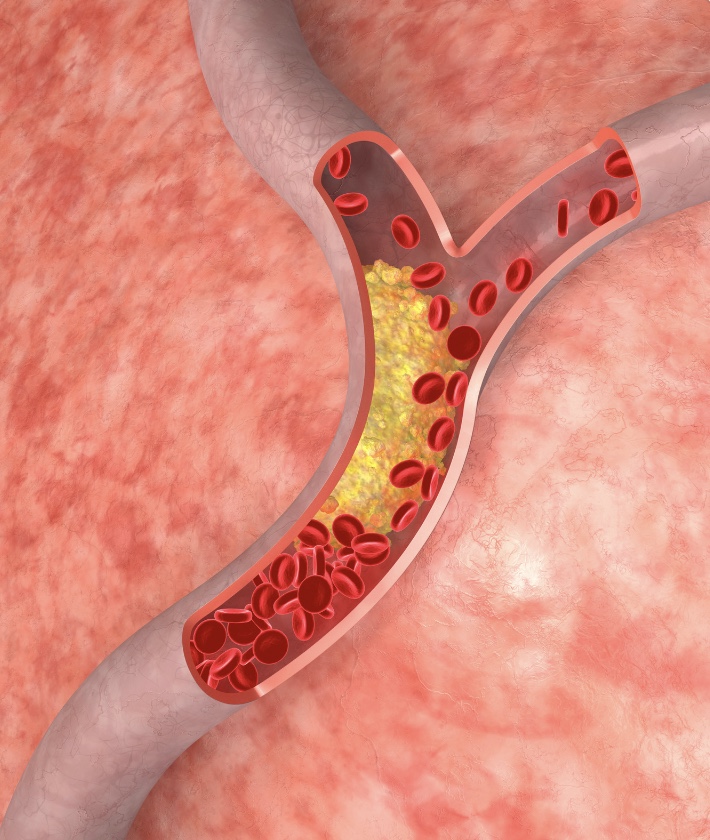
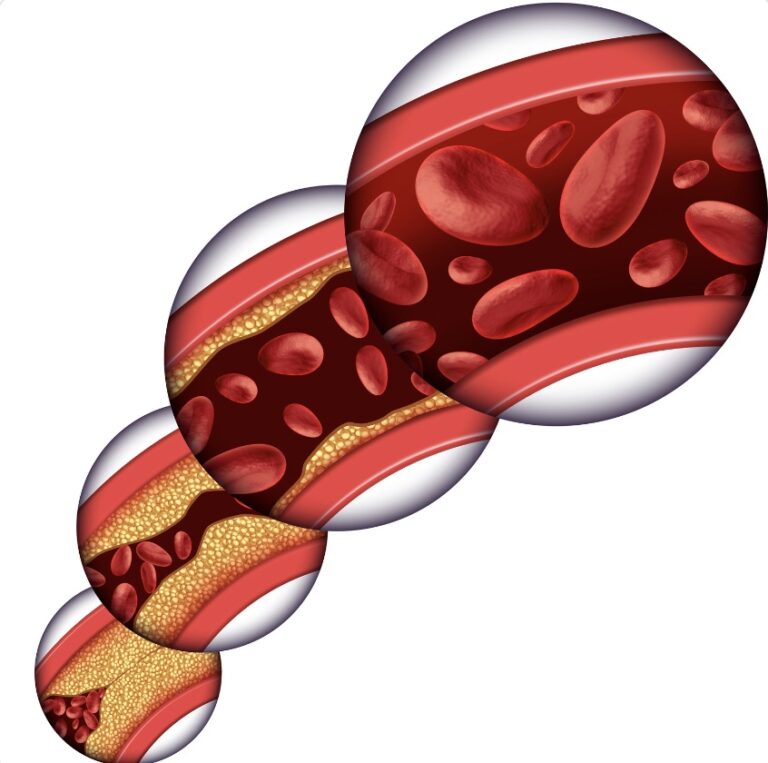
Cholesterol is a fat-like substance found in your body. Your body uses cholesterol to make hormones, vitamin D, and substances that help you digest foods. Too much cholesterol in your blood can lead to the formation of plaques, which stick to the walls of your blood vessels, causing high blood pressure. This plaque build-up is known as atherosclerosis, causing your arteries to narrow and sometimes block.
Cholesterol comes as HDL cholesterol (high-density lipoprotein) and LDL (low-density lipoprotein). Lipoproteins are a combination of lipids and proteins. HDLs are also called good cholesterol and LDLs are called bad cholesterol because LDLs can cause blockages in your arteries.
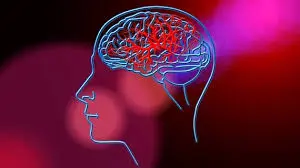
It’s essential to keep your cholesterol under control because high cholesterol levels increase your risk of heart disease and stroke. Eating a healthy diet and exercising regularly can help lower your blood cholesterol.
How do I know I have high cholesterol?
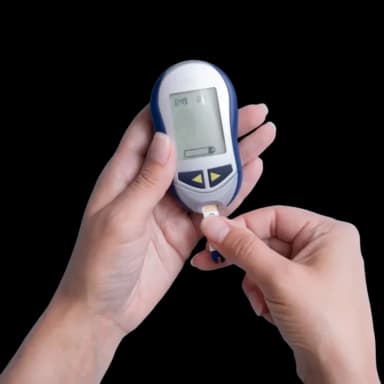
Usually there are no signs or symptoms that you have high cholesterol. Your GP can give you a blood test to measure your cholesterol level. When and how often you should get this test depends on your age, risk factors and family history.
What are the best foods to lower cholesterol?
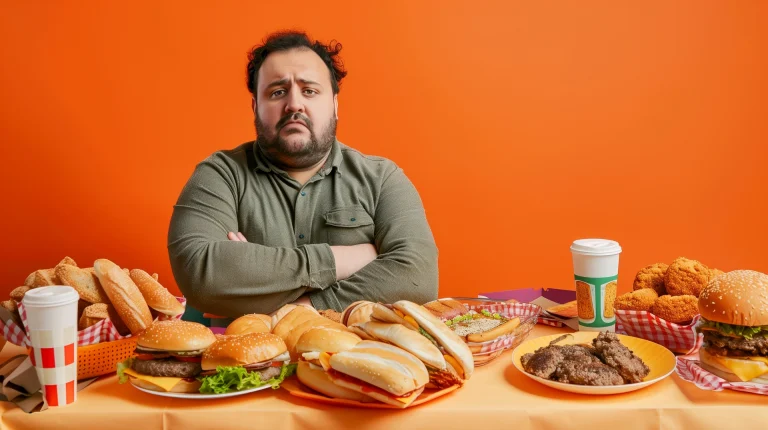
High cholesterol increases your risk of heart disease and heart attacks. You can take medication to lower your cholesterol levels, but you can also make some simple lifestyle changes to reduce your dietary cholesterol intake to improve your heart health. The best way to reduce your cholesterol levels is to have a low-fat diet:
- Reducing saturated fats found mainly in red meat and full-fat dairy products such as butter, coconut oil, palm oil and most deep-fried takeaway foods
- You are eating foods that contain unsaturated fat and polyunsaturated fats, such as almond and cashew nuts, sunflower and pumpkin seeds, avocados, walnut, canola, corn and olive oils
- Trans fats, sometimes listed as “partially hydrogenated vegetable oil,” are used in margarine and are found in processed food such as store-bought cookies, crackers and cakes. Trans fats raise your overall cholesterol levels
- Triglycerides are another type of fat in our blood. Being overweight and eating a lot of food and beverages high in sugar and simple, refined carbohydrates can make you more likely to have a high triglyceride level. Triglycerides can also add to the narrowing of the artery walls, increasing your risk of heart attacks
- Omega-3 fatty acids don’t affect LDL cholesterol levels. They have benefits such as reducing blood pressure. Foods with omega-3 fatty acids include salmon, mackerel, herring, walnuts and flaxseeds
- Increase soluble fibre. This can reduce the absorption of cholesterol into your blood. Foods containing these are whole grains, oatmeal cereals, kidney beans, lentils, Brussels sprouts, apples and pears
- Whey protein is found in dairy products. Studies have shown that whey protein given as a supplement lowers both LDL cholesterol and total cholesterol as well as blood pressure
What are the best exercises to lower cholesterol?
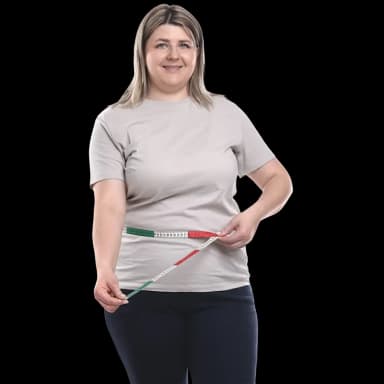
Maintaining a healthy lifestyle isn’t just about healthy eating. Moderate aerobic activity can also help raise good cholesterol. It also helps to combat obesity and aid weight loss. Physical activity, even in short intervals several times a day can help you begin to lose weight.
Work up to at least 30 minutes of exercise five times a week or vigorous aerobic activity for 20 minutes three times a week. Activities can range from walking and cycling to more vigorous exercise, such as running and energetic dancing.
What are the best supplements or treatments to lower cholesterol?
Eating the correct foods and exercising for the recommended time per week should help lower and manage your cholesterol without taking any supplements. Your GP may prescribe statins if you have been diagnosed with heart or cardiovascular disease.
Statins are usually offered to people diagnosed with coronary heart disease or another cardiovascular disease or have a family history that suggests they’re likely to develop it during the next 10 years.
Certain foods have been designed to lower cholesterol, such as dairy spreads and yoghurts (Benecol) containing added ingredients called plant sterols and stanols.
There’s some evidence these may help reduce the cholesterol in your blood, but there’s no evidence they also reduce your risk of a heart attack or stroke. If you do eat these foods, read the label carefully. These foods need to be eaten daily and in the right amount, as too much could be harmful.
Sources
- Helpful Notes: Information about High cholesterol from the NHS
About NowPatient's Editorial Process
- Written by clinical authors
- Reviewed every 2 years
- Conflicts of interest declared
NowPatient's medical content is selected by a panel of practising clinicians (pharmacists, doctors and allied healthcare professionals) and researched by an in-house team of writers who all hold scientific or clinical backgrounds. Sponsorship and conflicts of interest are openly declared.
Every article is peer-reviewed by a clinician for clinical accuracy, evidence base and accessibility, including consideration of the particular characteristics set out in the UK Equality Act 2010. Only then is it released for publication against fixed placement guidelines.
All content is cycle reviewed (typically every two years) and updated sooner if evidence, guidelines or a complaint require it. Changes follow a formal change control procedure and are reflected in the "last updated" date on each article. NowPatient is governed by MiHealth; UK pharmacy services are provided by MiHealth Pharmacy (GPhC 1036487).