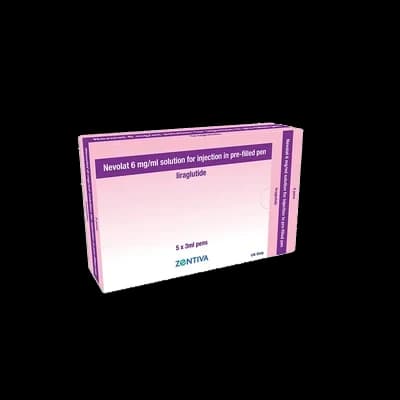
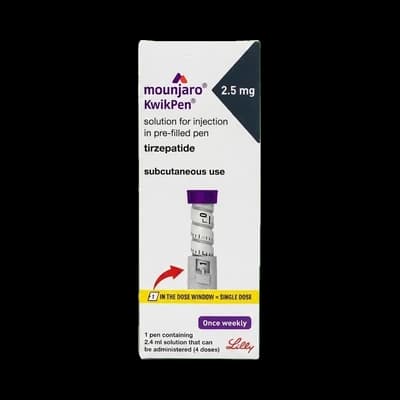
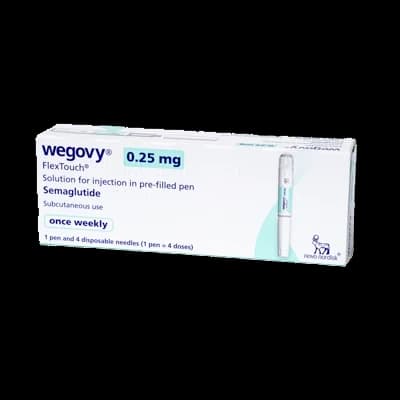
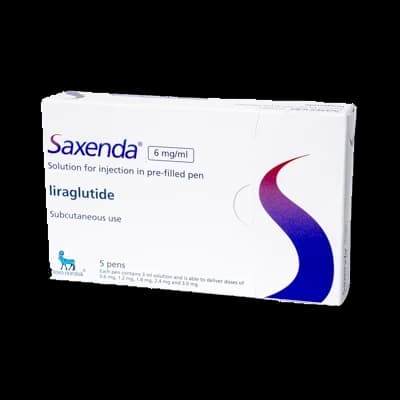
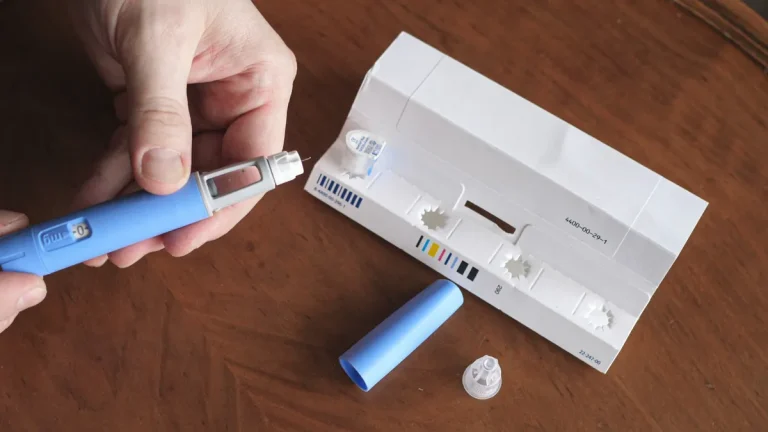
Petrelintide is a drug currently in clinical development by Biotech company Zealand Pharma, as a potential new best-in-class weight loss drug for obesity treatment. Zealand Pharma and Roche recently entered into an collaboration and licensing agreement to co-develop and bring to market this drug. In their press release they express excitement at the potential of tackling obesity and providing a better patient experience for individuals who need help with weight management with this drug. Let’s delve into how this promising obesity drug works.
? Who are Zealand Pharma?
Zealand Pharma is a Danish biotechnology company focused on the discovery and development of peptide-based medicines. More than 10 drug candidates invented by Zealand have advanced into clinical development, of which two have reached the market and three candidates are in late-stage development. The company has development partnerships with a number of pharma companies as well as commercial partnerships for its marketed products.
? What is petrelintide?
Petrelintide also known scientifically as ZP8396 and is a 36-amino-acid acylated peptide is based on the peptide sequence of human amylin.
Class of drug
Petrelintide belongs to a therapeutic class of drugs that bind to and activate the amylin receptor called long-acting amylin analogues. This once-weekly subcutaneous administration drug is a peptide designed to be a long-acting version of amylin, a hormone in the body that plays a role in regulating blood sugar and appetite.
Amylin is a hormone naturally produced by the pancreas that plays a crucial role in regulating glucose metabolism and appetite. Amylin is produced in the pancreatic beta cells and co-secreted with insulin in response to ingested nutrients. Amylin analogue petrelintide mimics the effects of natural amylin but with enhanced properties that make it potentially more effective for weight loss.
Mechanism of action
The mechanism by which petrelintide works is three ways:
Increases satiety
Activating the amylin receptor is intended to restore sensitivity to the hormone leptin, a hormone that signals satiety. Rather than suppressing appetite, Zealand says its drug helps patients feel full faster.
Slows down gastric emptying
Petrelintide slows gastrointestinal emptying which is the rate at which food leaves the stomach, leading to prolonged satiety.
Glucose Regulation
Petrelintide works as a sidekick to insulin. It starts working during and after meals. It instructs the liver to release less glucagon (a stored sugar), which helps prevent blood glucose spikes. Like natural amylin, it helps regulate blood sugar levels, which can also be beneficial for individuals with type 2 diabetes.
How do you take petrelintide?
Based on the information from clinical trials:
- Administration: Subcutaneous injections
- Frequency: Once-weekly
- Dosing: Exact dosing regimen is still unknown as trials of petrelintide are ongoing
- Injection device: Specific details about the injection device are not yet available
? Clinical trials
Both clinical and preclinical data suggest a potential for long-acting amylin analogs to deliver a body weight reduction that is comparable to GLP-1 receptor agonists like Novo Nordisk’s Wegovy (semaglutide) and Eli Lilly’s Zepbound (tirzepatide). The hope is amylin analog petrelintide also provides improved tolerability resulting in a better patient experience including preservation of lean muscle.
In a 16-week Phase 1 multiple ascending dose (MAD) clinical trial, Zealand reported petrelintide led to an average 8.3% loss in body weight from baseline for the highest of three doses tested versus 1.7% average weight loss for the placebo group. All gastrointestinal side effects were mild, except for two moderate nausea and vomiting events reported in one participant who discontinued treatment.
A Phase 2 trial of petrelintide called ZUPREME-1 started in Decemeber 2024 to further investigate use of petrelintide in people living with overweight or obesity without type 2 diabetes. The Denmark based pharma company are due to start ZUPREME-2 for people with obesity or overweight with type 2 diabetes in early 2025.
? Other drugs
Zealand is also jointly developing survodutide with Boehringer Ingelheim. Survodutide is a glucagon/GLP-1 receptor dual agonist that activates both the GLP-1 and glucagon receptors, which are critical to controlling metabolic functions. This co-formulation injectable drug mimics the same GLP-1 hormone as Wegovy and Zepbound. The drug has shown positive results for treating obesity.
? Conclusion
As we await further data on petrelintide drug development and continue to gain real-world experience with the future of obesity treatment looks increasingly promising. These advancements offer hope to millions struggling with obesity and with weight-related co-morbidities potentially improving quality of life and reducing the burden of obesity-related diseases on individuals.
About NowPatient's Editorial Process
- Written by clinical authors
- Reviewed every 2 years
- Conflicts of interest declared
NowPatient's medical content is selected by a panel of practising clinicians (pharmacists, doctors and allied healthcare professionals) and researched by an in-house team of writers who all hold scientific or clinical backgrounds. Sponsorship and conflicts of interest are openly declared.
Every article is peer-reviewed by a clinician for clinical accuracy, evidence base and accessibility, including consideration of the particular characteristics set out in the UK Equality Act 2010. Only then is it released for publication against fixed placement guidelines.
All content is cycle reviewed (typically every two years) and updated sooner if evidence, guidelines or a complaint require it. Changes follow a formal change control procedure and are reflected in the "last updated" date on each article. NowPatient is governed by MiHealth; UK pharmacy services are provided by MiHealth Pharmacy (GPhC 1036487).