Online Malaria Treatments & Prescriptions

Book a quick face-to-face video consultation with a certified prescribing pharmacist, nurse, or doctor. If approved, your Malaria treatment will be prescribed* and delivered straight to your door with free next-day delivery†. No hidden fees. No delays. Just expert care.

* Includes Free Private Prescription & Consultation.

† Applies to UK only.

Start Your Treatment Today

Available Treatments for Malaria

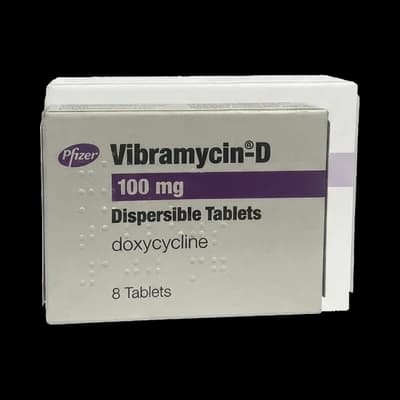
Vibramycin packaging which is available to order online from NowPatient with free next day delivery

Vibramycin

  • FREE secure consultation service
  • Fast and effective treatment
From £17.99
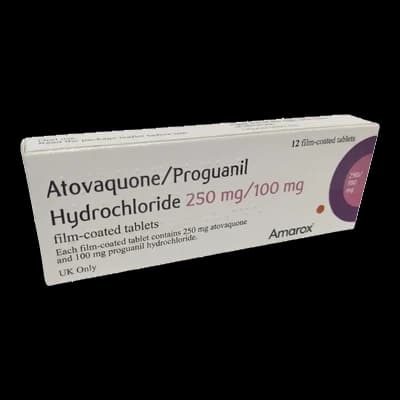
Atovaquone/Proguanil packaging which is available to order online from NowPatient with free next day delivery

Atovaquone/Proguanil

  • FREE secure consultation service
  • Fast and effective treatment
From £33.15
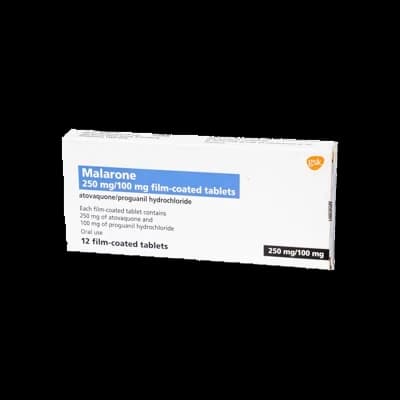
Malarone packaging which is available to order online from NowPatient with free next day delivery

Malarone

  • FREE secure consultation service
  • Fast and effective treatment
From £48.81
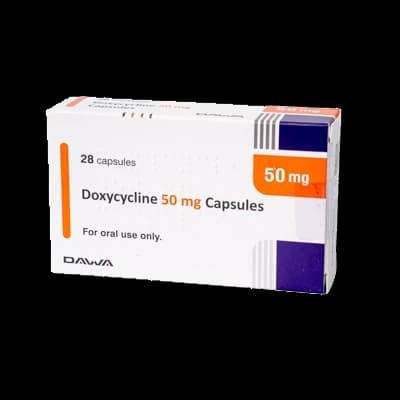
Doxycycline packaging which is available to order online from NowPatient with free next day delivery

Doxycycline

  • FREE secure consultation service
  • Fast and effective treatment
From £17.99

Safe Prescribing

Get Started With the Right Treatment for You

No need to visit a doctor or wait for an appointment. With our virtual consultation service, you can see a clinician online from the comfort of your home. Start your free assessment and get a treatment recommendation tailored to you. You only pay if medication is prescribed.

Key facts about Malaria

Malaria is a life-threatening disease transmitted through the bites of infected mosquitoes. It is most prevalent in countries such as sub-Saharan Africa, South Asia, the Caribbean, parts of Central and South America, Southeast Asia, the Middle East, and Oceania. Malaria is not common in Europe or the U.S.

Here, we will take a closer look at Malaria, its causes, symptoms and treatments.

Understanding Malaria: Causes and Transmission

Malaria is caused by Plasmodium parasites, such as Plasmodium falciparum (falciparum Malaria), P. vivax, P. ovale, P. malariae, and P. knowlesi. These are transmitted through the bites of infected female Anopheles mosquitoes, injecting the Malaria parasites directly into the bloodstream. Parasites pass to the liver, before maturing and multiplying and then moving on to infect red blood cells, leading to the symptoms of Malaria.

Malaria is not contagious and cannot be passed from person to person directly. It can, however, be transmitted through sharing of contaminated needles, or blood transfusions.

Malaria symptoms

Malaria symptoms appear within a week or two after the mosquito bite. Symptoms vary depending on the type of Malaria parasite and the infected persons immune response. Symptoms include fever, chills, headache, nausea, vomiting, diarrhoea, stomach pain, muscle or joint pain, tiredness, rapid breathing, a rapid heart rate, and cough.

Young children, pregnant women and those with weakened immune systems may experience more severe symptoms, such as difficulty breathing, abnormal bleeding, cerebral Malaria, convulsions, organ failure and even Malaria deaths, especially if not treated.

Diagnosing Malaria

A healthcare professional will take your medical and travel history to evaluate your symptoms and determine your likelihood of a Malaria infection. Laboratory tests will also be carried out, to confirm the specific Malaria species. These include microscopy, for the examination of blood samples and rapid diagnostic tests to detect certain proteins produced by the Malaria parasites.

Malaria prevention: Strategies and interventions

The primary goal for prevention is to reduce the risk of exposure to mosquito bites. Prevention includes:

Mosquito repellents

Insect repellents containing ingredients such as DEET, Picaridin, or IR3535 may be applied to skin and clothing to repel mosquitoes. Extra precautions should be taken when applying these to children.

Insecticide-treated bed nets

Mosquito nets help to reduce the risk of Malaria infection in high-risk areas by providing a physical barrier. The nets are treated with insecticides that kill or repel mosquitoes. Insecticide-treated nets are recommended in areas where Malaria transmission is high.

Protective clothing

You are advised to wear long-sleeved shirts, trousers, and closed-toe shoes when outdoors, especially when mosquitos are most active at dusk. This will help protect your skin, reducing the risk of mosquito bites.

Indoor residual spraying

This is the application of insecticides to interior walls and ceilings of the house to kill mosquitoes, helping to reduce Malaria transmission.

Chemoprophylaxis for travelers

This is where travellers visiting areas with a high risk of Malaria take medicines, to reduce their chances of infection. Medications are recommended based on the destination and the person’s age and medical history. Treatment is started before travel to a Malaria-endemic area and continues after returning for a certain amount of time, as recommended by your healthcare provider.

Malaria vaccination

The WHO (World Health Organization) recommends Malaria vaccines in areas with moderate to high Malaria transmission.

Clean water

Education around the maintenance of a clean water supply is essential as this will help reduce the laying of mosquito eggs and ultimately reduce the spread of Malaria.

Malaria treatment

Artemisinin-based combination therapies, such as artemether-lumefantrine and artesunate-mefloquine are the most effective treatments against Malaria parasites, such as Plasmodium falciparum. Other antimalarial drugs include atovaquone-proguanil, chloroquine, quinine sulfate with doxycycline, and primaquine phosphate.

Severe cases of Malaria may also need to be treated with blood transfusions and intravenous fluids, to control body temperature. You should make sure you follow the instructions given to you by your healthcare provider and complete your full course of treatment to prevent any future drug resistance.

Malaria research

Research for Malaria is focused on the development of Malaria vaccines, new antimalarial medicines, and vector control methods.

Conclusion

Understanding the causes, symptoms, and how to prevent Malaria, will help with Malaria control in high endemic countries. By working together, we can all help achieve a future where this infectious disease is no longer a threat.

Sources

Your health shouldn’t wait.

Consultations, prescriptions, medication delivery, health monitoring – all in one place.

What customers love about NowPatient

Wow! Excellent customer service. I submitted an email query, had a call…

Alison Hurst

I do not leave reviews, due to time and a rare condition I have. I…

Sherry M

Great experience getting the med. Clinician was very thorough.

Barbara Hill

Cannot speak highly enough of the service and assistance I have…

CJH

Very good experience - the clinician asked intelligent questions about…

Phil Daoust

Really excellent. Very thorough and professional pharmacist who guided…

Colin Glass

Excellent4.9 out of 5Trustpilot

Meet our medical team

We are a broad skilled and passionate group of clinicians with experience of operating in regulated health systems in the United Kingdom & United States. Providing excellent care and advice is at the heart of everything we do.