
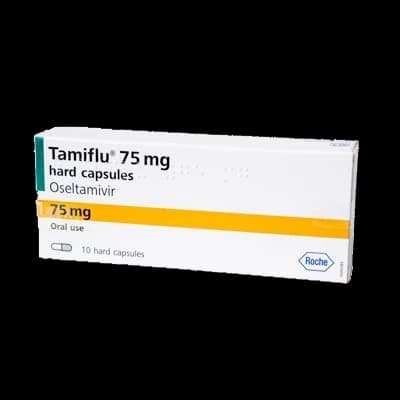
Tamiflu
- FREE secure consultation service
- Fast and effective treatment
Book a quick face-to-face video consultation with a certified prescribing pharmacist, nurse, or doctor. If approved, your Influenza treatment will be prescribed* and delivered straight to your door with free next-day delivery†. No hidden fees. No delays. Just expert care.
* Includes Free Private Prescription & Consultation.
† Applies to UK only.
Start Your Treatment Today
Safe Prescribing
No need to visit a doctor or wait for an appointment. With our virtual consultation service, you can see a clinician online from the comfort of your home. Start your free assessment and get a treatment recommendation tailored to you. You only pay if medication is prescribed.
Influenza is caused by the Influenza virus and affects thousands of people in the UK every year leading to severe illness or even death. Here, we will take a closer look at what Influenza is, how it spreads, its diagnosis, treatments, and how to prevent it.
Influenza is a highly infectious disease caused by the Influenza virus that affects people of all ages around the world. Most people recover from flu, but it may lead to more severe illnesses, hospitalization, or even death. This is more common in the elderly, young children, and those with other underlying health conditions, such as asthma or diabetes.
The Influenza virus is categorised into 4 types, A, B, C, and D. The Influenza A and B virus cause seasonal epidemics and have further subtypes. Wild birds carry Influenza A, hence the name avian or bird flu. Influenza C causes more mild respiratory viral infections. Influenza D affects cattle, but is not known to cause infections in humans.
Common flu symptoms include:
Most people will recover from flu within a couple of weeks, but sometimes it can lead to serious complications such as pneumonia, bronchitis, or even death.
Certain groups of people are at an increased risk of developing flu complications. This includes certain age groups, such as young children and the elderly. Also, pregnant women, those with a chronic illness, those with a weakened immune system, or those who are overweight with a high body mass index are also at a higher risk for complications.
Diagnosis of the flu, involves clinical evaluation by a healthcare professional, rapid Influenza diagnostic tests, antibody or antigen tests, or reverse transcriptase-polymerase chain reaction (RT-PCR). An early diagnosis will enable treatment and appropriate infection control measures to be taken.
Treatment includes rest, hydration, painkillers, and antiviral drugs. Antivirals, such as Tamiflu (oseltamivir), will reduce the severity and duration of symptoms when taken early. They are most effective when started within 48 hours of the onset of symptoms.
Seasonal flu vaccines are recommended for those aged 6 months and older, with extra emphasis placed on those from high-risk groups. Immunisation will reduce the chances of getting the flu, as well as minimising how severe the illness will be.
In addition to seasonal Influenza vaccines, good hygiene, covering your mouth when coughing or sneezing, and remaining at home when unwell with the flu can all help to prevent its spread.
Both flu and COVID-19 are respiratory diseases that share similarities in symptoms, transmission, and prevention. However, there are differences between them. Understanding the differences will ensure an accurate diagnosis, appropriate treatment, and effective measures during a pandemic.
Flu season normally occurs during the winter, although flu can occur at any time of the year. The timing and severity of these outbreaks may vary. Understanding these patterns of seasonal flu and their impact is crucial for the prevention, vaccination, and interventions to reduce morbidity associated with the flu.
Influenza, also known as the flu, is a respiratory illness caused by the Influenza virus. Symptoms of the flu include fever, sore throats, coughing, a runny or blocked nose, headaches, body aches, and tiredness.
Influenza is mostly spread through droplets when a person with the flu coughs or sneezes. Droplets are inhaled or land in the mouths or noses of those nearby. The flu may also be spread through touching surfaces or objects that the flu virus is on and then touching your eyes, mouth, or nose.
These include:
Individuals in these high-risk groups are advised to seek medical attention if they develop flu-like symptoms.
Immunisation with the flu vaccine each year is the best way to prevent Influenza. Other preventive measures include:
The effectiveness of the flu vaccine will vary each year. It will depend on whether the circulating flu strain matches the strains in the vaccine. The flu vaccine will, however, still provide protection against the flu even if the strains do not match. Also, those who do contract the flu, will have milder symptoms. Be aware, vaccines can cause side effects. Talk to a healthcare professional if you have any concerns about having the flu jab.
Antiviral medications can be used to treat the flu to reduce the severity and duration of the symptoms. These treatments are most effective when you begin using them within 48 hours of the onset of symptoms.
If you have Influenza:
Face masks can help prevent Influenza and other respiratory viruses from spreading. They stop droplets from being released when someone infected coughs or sneezes.
Yes. It is, in fact recommended, to help pregnant women protect themselves and their babies. The vaccine provides immunity to the mother and baby.
Influenza has a more rapid onset of symptoms than COVID-19, while COVID-19 has an increased risk of complications, especially in the elderly and those with other health conditions.
Scientists continuously monitor the flu virus, how it changes, and the effectiveness of vaccines. The development of more effective vaccines, diagnostic techniques, and public health capabilities are all essential to reduce the impact Influenza has on global health.
By being informed, keeping good hygiene practices, and having your vaccination, we can all help reduce the threat of Influenza, protecting those most vulnerable in society.
Consultations, prescriptions, medication delivery, health monitoring – all in one place.

We are a broad skilled and passionate group of clinicians with experience of operating in regulated health systems in the United Kingdom & United States. Providing excellent care and advice is at the heart of everything we do.