It’s commonly said that cranberries originating from New Zealand (that includes cranberry juice, cranberry capsules, cranberry pills or cranberry extract) can help with urinary tract infections (UTIs). But does this home remedy actually work? Lets delve into what the scientific evidence shows.
? How do UTI’s happen?
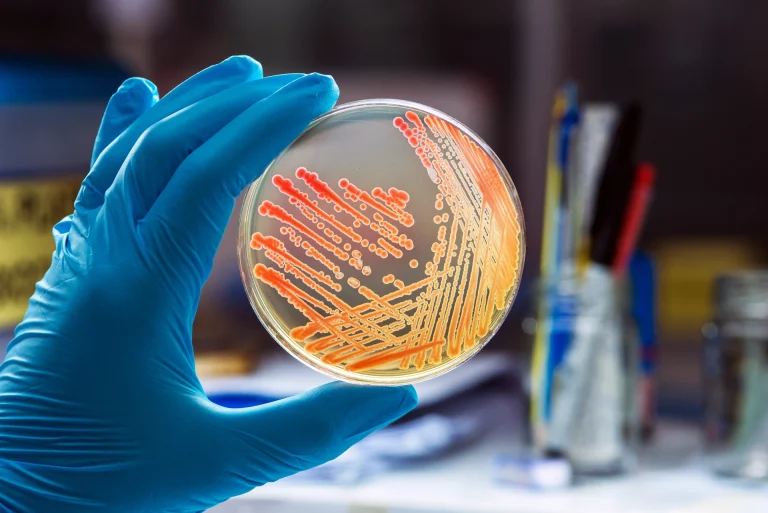
Urinary tract infections are caused by bacteria, with Escherichia coli (E. coli) being the most common culprit, responsible for over 90% of bladder infections. Bacteria can enter the urinary tract through the urethra, making their way up to the bladder, or in more severe cases, the kidneys. Lower UTIs involve the bladder and tend to be less serious, whereas upper UTIs involve the kidneys (pyelonephritis) and can be dangerous if a kidney infection develops.
Around 60% of women will experience at least one UTI in their lifetime, with 20-40% having one or more recurrent episodes. Women are more prone to UTIs than men due to their shorter urethra, which allows bacteria to reach the bladder more easily. Other risk factors for UTIs include diabetes, pregnancy, menopause, sexual activity and the use of urinary catheters.
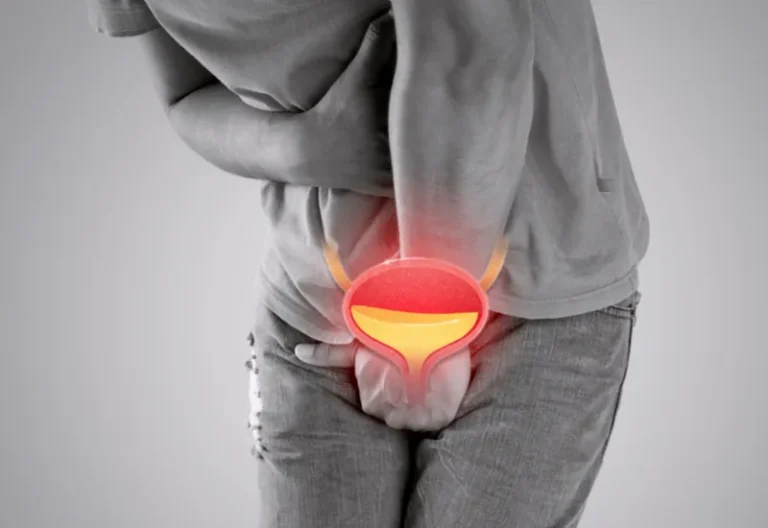
UTI symptoms aren’t just inconvenient and annoying, they’re downright uncomfortable. Many women will suffer symptoms such as:
- Frequent or urgent need to urinate
- Burning or pain during urination
- Cloudy, foul-smelling, or bloody urine
- Pelvic or lower abdominal pain
- Back pain or discomfort
- Fever, chills, and fatigue
Treatment options offered from a healthcare professional normally are antibiotics and UTI prevention strategies.
? Why cranberry juice may help bladder infections?
The reason cranberries are thought to be special is because they contain a compound called A-type proanthocyanidins (PACs). This is thought to prevent bacteria from sticking to the bladder wall. Scientists also think cranberries make urine more acidic, making it a less friendly environment for bacteria like Escherichia coli to multiply and thrive in.
In theory, both these properties of cranberries could prevent UTIs from happening or help you recover from one faster.
However, there is currently no established regimen for what PACs dose to use and no formal regulation by health authorities of cranberry products. In particular, the dose suggested may not be included on the package.
? The research
A fair amount of research has been conducted on the use of cranberry juice or supplements as a treatment of UTIs. However the results are mixed. Some studies have shown that cranberry juice may help reduce the incidence of UTIs. A 2023 global analysis published in the Cochrane Database of Systematic Reviews, looked at 50 clinical trials involving almost 9,000 participants. It was found taking cranberry products reduced the number of UTIs in women with recurrent UTIs, in children with UTIs and in people prone to UTIs following an intervention such as bladder radiotherapy.
Other studies, however, have found no significant results. The subject included in these studies vary widely and do not reach gold standard trial design e.g. some studies are without a controlled trial. In addition, there is some evidence that cranberry products can dangerously increase the potency of warfarin, a prescription medication used to prevent blood clots.
Regardless of the mixed results, one thing is clear, if you’re not on warfarin, there is likely no harm in drinking natural cranberry juice. However, you may want to stay away from cranberry juices that have added sugar and more calories. You can also consider taking a cranberry supplement instead.
? Conclusion – what is needed
There’s little high-quality research on the effectiveness of cranberry products for UTIs. To assess the effectiveness of cranberry juice, well‐designed parallel group, double blind clinical trials comparing cranberry juice and other cranberry products versus placebo are needed.
Prevention of UTIs is key. As mentioned earlier UTIs usually happen when bacteria from the gut get into the urinary tract. Preventing recurrent UTIs is crucial for maintaining overall urinary health:
- Wearing a condom during sex can protect you from STDs, which can lower your risk for a UTI
- Treating prostate problems can also lower your risks
- Wiping from front to back after using the bathroom, avoiding irritants like scented soaps, and keeping the genital area clean and dry
- Plenty of fluids throughout the day can help flush out bacteria
- Urinating after sexual activity can help remove any bacteria that may have been introduced
- Limiting the consumption of caffeine, alcohol, sugary foods and drinks
If you are interested in using cranberry juice or cranberry supplements to help prevent UTIs, it’s best to speak with a healthcare professional first.
Sources

Nitrofurantoin
From £26.09
Trimethoprim
From £17.99About NowPatient's Editorial Process
- Written by clinical authors
- Reviewed every 2 years
- Conflicts of interest declared
NowPatient's medical content is selected by a panel of practising clinicians (pharmacists, doctors and allied healthcare professionals) and researched by an in-house team of writers who all hold scientific or clinical backgrounds. Sponsorship and conflicts of interest are openly declared.
Every article is peer-reviewed by a clinician for clinical accuracy, evidence base and accessibility, including consideration of the particular characteristics set out in the UK Equality Act 2010. Only then is it released for publication against fixed placement guidelines.
All content is cycle reviewed (typically every two years) and updated sooner if evidence, guidelines or a complaint require it. Changes follow a formal change control procedure and are reflected in the "last updated" date on each article. NowPatient is governed by MiHealth; UK pharmacy services are provided by MiHealth Pharmacy (GPhC 1036487).