Weight loss supplements, such as vitamins and minerals like magnesium, may play a supportive role when it comes to weight management when combined with a healthy lifestyle. They are not however, the solution.
This health article will look at how certain vitamins can help support you with your weight management goals and will also provide you with guidance on how to include these nutrients into your diet more effectively.
Vitamins and weight loss
Research, including a comprehensive study published in the journal Obesity, highlights that most dietary supplements do not significantly impact weight loss. This study highlights the importance for healthcare providers to guide patients towards proven weight-management strategies, rather than supplements, which often lack evidence of efficacy.
Vitamins such as B6, B12, and folate are crucial for metabolic processes in the body, converting carbohydrates, proteins, and fats into energy. However, a deficiency in these vitamins might prevent metabolism, therefore affecting weight loss efforts. In the same way that vitamin D is essential to maintain a healthy immune system, it has been found to present at reduced levels in individuals with obesity, suggesting a potential link to body weight management. Despite these associations, studies show mixed results, with no solid evidence of these vitamins affecting weight loss.
Green tea extract and omega-3 fatty acids show potential in helping weight management. Green tea extract, for instance, has been shown to increase fat oxidation and reduce fat production. Omega-3 fatty acids, found in fatty fish have anti-inflammatory properties and play a role in enhancing satiety. These findings do not suggest a solution to weight loss, but rather potential aids that could complement healthy weight loss efforts.
Vitamins that support weight loss
Vitamin D
Vitamin D can be obtained from sunlight, but most people today spend too much time indoors and often benefit from a vit D supplement. Vitamin D plays an essential role in metabolism and maintaining a healthy immune system. This vitamin regulates the absorption of calcium and phosphorus and also affects serotonin production, which can influence mood and appetite control. Research shows that vitamin D supplementation may be particularly beneficial for postmenopausal women who are overweight, helping to reduce body fat.
B Vitamins
B vitamins support metabolism and are vital for converting carbohydrates, proteins, and fats into energy. Vitamin B6 and B12 are particularly noted for their role in enhancing metabolic processes and energy levels, which can indirectly support weight loss efforts. While there is no direct evidence that B12 supplements alone can lead to weight loss, these vitamins help to maintain an optimal metabolic rate and fat burning.
Minerals and other nutrients
Magnesium, iron, and green tea extract are other supplements that can support weight loss. Magnesium is necessary for energy production and supports numerous chemical reactions in the body. Iron helps in transporting oxygen to muscles, which is crucial for burning fat. Green tea extract, known for its antioxidants, catechins and caffeine boosts fat metabolism. Additionally, omega-3 fatty acids from sources like fatty fish have been shown to reduce inflammation and increase feelings of fullness, which can help in weight management.
Key vitamins and their food sources
It can be helpful to add a multivitamin into your diet to prevent nutrient deficiencies. This is particularly important if you do not follow a balanced diet leading to decreased intake of essential vitamins and minerals. A comprehensive multivitamin contains a balanced range of nutrients for optimal health and can support metabolic processes involved in weight management.
- Vitamin B12 is essential for energy production. While B12 supplements are popular, they can be consumed adequately through dietary sources such as milk, eggs, lean meats, and fortified cereals
- Vitamin D plays an valuable role in bone health, immune function and may also aid in weight management. Food sources include fatty fish like salmon and tuna, egg yolks, and fortified milk and yogurt
- Iron is a vital mineral for transporting oxygen in the blood. Rich sources of iron include lean meats, shellfish, beans, and spinach
- Magnesium is involved in over 300 reactions in the body, including those involved in energy production. Nuts, seeds, legumes, and leafy greens like spinach are excellent sources
Incorporating these vitamins and supplements through both diet and where necessary supplementation can help ensure adequate nutrient intake and support your weight loss goals effectively.
Considerations and precautions when using vitamins for weight loss
The U.S. Food and Drug Administration (FDA) does not require dietary supplements to undergo approval, meaning manufacturers are responsible for the safety and claims of their products.
Vitamin supplements can play a role in supporting weight loss, so it’s important to approach their use with caution and awareness of potential risks.
Conclusion
Weight loss is best achieved through a combination of dietary changes, reduced calorie intake and regular physical activity. Supplements should complement these essential behaviours rather than replace them. Vitamin D, B vitamins, magnesium, and green tea extract have shown to support metabolic functions, overall health and wellness, and are loosely associated with weight loss efforts.
If you have other health conditions, particularly type 2 diabetes, high blood pressure, heart disease or are taking other medications speak to a healthcare professional before starting supplements. It is also important to keep note of any side effects you may encounter when taking supplements and discussing them with your doctor.
Sources

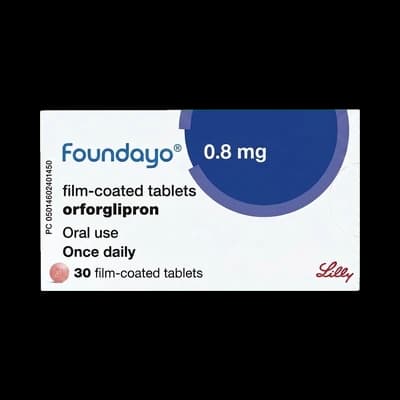
Foundayo
From £94.88
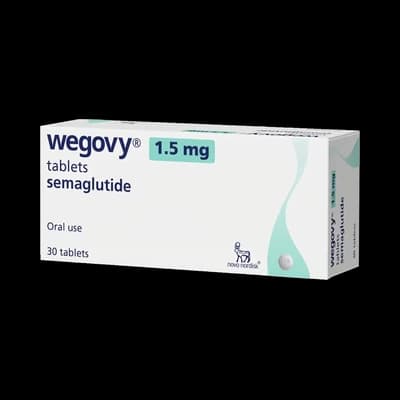
Wegovy Tablets
From £82.50
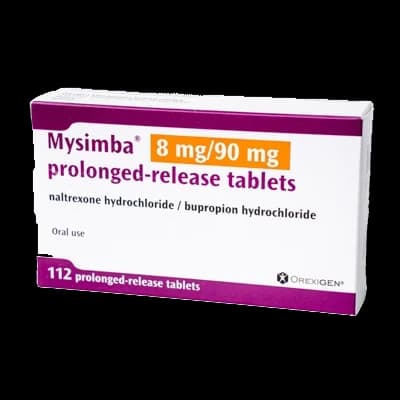
Mysimba
From £148.35
Orlistat
From £59.84
Xenical
From £89.78About NowPatient's Editorial Process
- Written by clinical authors
- Reviewed every 2 years
- Conflicts of interest declared
NowPatient's medical content is selected by a panel of practising clinicians (pharmacists, doctors and allied healthcare professionals) and researched by an in-house team of writers who all hold scientific or clinical backgrounds. Sponsorship and conflicts of interest are openly declared.
Every article is peer-reviewed by a clinician for clinical accuracy, evidence base and accessibility, including consideration of the particular characteristics set out in the UK Equality Act 2010. Only then is it released for publication against fixed placement guidelines.
All content is cycle reviewed (typically every two years) and updated sooner if evidence, guidelines or a complaint require it. Changes follow a formal change control procedure and are reflected in the "last updated" date on each article. NowPatient is governed by MiHealth; UK pharmacy services are provided by MiHealth Pharmacy (GPhC 1036487).