When we think of health, we often think of physical fitness. We go to the doctor when we have a cold or the flu. We see a physical therapist when we have an injury. We eat healthy foods and exercise to maintain our physical health. But what about our mental health needs?
The World Health Organization defines mental health as a state of mental well-being that enables people to cope with the stresses of life, realise their abilities, learn well, work well and contribute to their community.
Why is mental health important?
Mental health is vital to public health. It is just as important as physical health, but is often overlooked. Mental health includes our emotional, psychological and social well-being. It affects how we think, feel and act. It also helps determine how we handle stress, relate to others and make choices. Mental health is important at every stage of life, from childhood and adolescence, through adulthood.
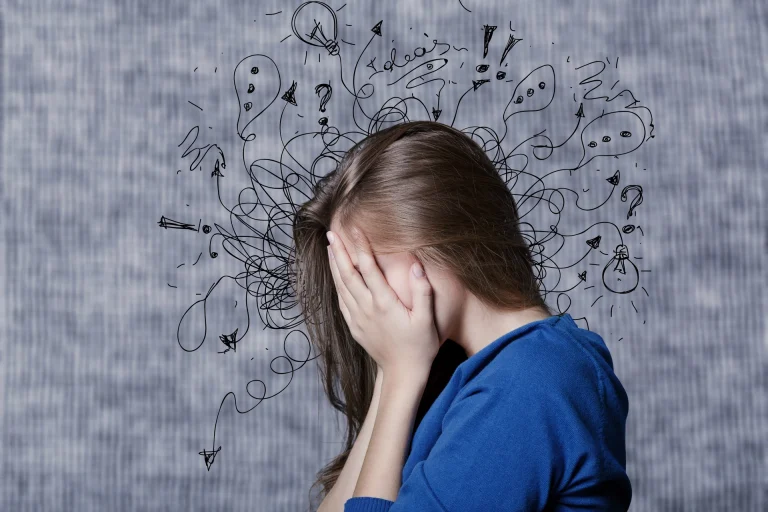
Good mental health is not just the absence of mental illness. It is also the ability to cope with the challenges in life. Everyone has times when they feel sad, anxious or overwhelmed. However, if these feelings are persistent or interfere with your daily life, they may be signs of a mental illness.
Mental health conditions are common, but there is still a lot of stigma around them. This can make it hard for people to seek help. Mental illness is nothing to be ashamed of. It is a medical problem, just like heart disease or diabetes. Treatment is available and recovery is possible.
Types of mental illnesses
Types of mental health disorders
There are many different types of mental health problems. Some common ones include:
- Anxiety disorders. These disorders involve excessive fear or anxiety. Examples include generalised anxiety disorder, panic disorder, agoraphobia (a fear of being outside), social anxiety disorder (a fear of being around other people), specific phobias (such as a fear of flying), post-traumatic stress disorder (PTSD) and obsessive-compulsive disorder (OCD)
- Mood disorders. These disorders involve changes in a person’s mood. Examples include major depressive disorder (also called clinical depression) and bipolar disorder (also called manic depression)
- Psychotic disorders. These disorders involve changes in a person’s thoughts or perceptions that make them lose touch with reality, such as hearing voices. Examples include schizophrenia and delusional disorder
- Eating disorders. These disorders involve unhealthy eating habits that can damage a person’s physical and mental health. Examples include anorexia nervosa and bulimia nervosa
- Personality disorders. These disorders involve patterns of thinking, feeling, behaving and relating to others that are different from what is considered normal. Examples include borderline personality disorder and antisocial personality disorder
- Substance use disorders. These disorders involve using legal or illegal substances in harmful ways. Examples include alcohol abuse and dependence, drug abuse and dependence
- Older adults. As people age, they may experience changes in their physical, mental and social well-being. Examples include dementia, delirium and depression
- Children and adolescents. Depending on age, children and teens may react differently to mental illness. Examples include attention deficit hyperactivity disorder (ADHD) and anxiety disorders
Symptoms of mental illnesses
Just like physical illnesses, mental illnesses have signs and symptoms that can alert you that something isn’t right. These warning signs can be different for different types of illnesses and different age groups. Here are some general warning signs that something might be wrong:
- Feeling anxious all the time
- Mood swings
- Feeling unable to cope with things
- Worrying about things that other people would not usually worry about
- Feeling down or hopeless for a long time (more than two weeks)
- Not enjoying things that used to give you pleasure
- Eating too much or too little
- Sleeping too much or too little
- Pulling away from friends or activities you once enjoyed
- Having suicidal thoughts or self-harm

















Children and young people might also:
- Have a hard time in school
- Wet the bed after being potty trained
- Act much younger than their age
- Stomach aches or headaches with no known medical cause
If you see any warning signs in yourself or someone else, don’t ignore them. These signs are only warnings. They don’t necessarily mean that a person has a mental illness. However, if you are worried about someone (including yourself), don’t wait to get help. Talk to someone who can give you more information and help you figure out what to do next: a parent, a teacher, a doctor or a pharmacist.
Causes of mental illnesses
Mental health is important at every stage of life, from childhood and adolescence through adulthood. If you experience mental health problems throughout your life, your thinking, mood and behaviour could be affected.
Many risk factors contribute to mental health problems, including cognitive and emotional well-being. It encompasses how we think, feels, and behave. Everyone has mental health, just like everyone has physical health. And similar to physical health, mental health can fluctuate throughout our lives. Many different factors can affect our mental health, such as:
- Biological factors, such as genes or brain chemistry
- Life experiences (e.g. trauma, stresses of life, loss)
- Family history of mental illness
- Physical illness or injury
- Substance abuse
- Social isolation
- Poverty
It is important to remember that everybody experiences these factors differently, which means everybody experiences mental health differently.
Treatment for mental health issues
There are many different types of treatment available for mental illness. Some people only need medication, while others need medication and therapy. The type of treatment you need will depend on the severity of your symptoms and your personal preferences. Some common types of treatment include:
- Psychotherapy or talking therapies: This can be done individually or in groups with a trained therapist or counsellor who can help you understand your thoughts and feelings and develop healthy coping mechanisms
- Medication: This can be prescribed by a healthcare professional to help manage your symptoms. With the help of experienced health professionals specialising in psychiatry, you can explore medication options for managing a mental illness
- Self-help: This can be incorporating stress-relievers such as deep breathing exercises into your daily routine, creating meaningful social interactions such as joining a support group and focusing on good nutrition and adequate physical activity. Self-care activities such as simple activities like taking a warm bath or walking can be soothing for both your body and mind
How to get mental health help
There are various points of contact for mental health services:
GP
Your doctor is there to support and provide guidance when it comes to mental health. They can connect you with the appropriate service for your needs through a GP referral, so that you get the help needed to manage any situation better.
Pharmacists
Pharmacists are invaluable healthcare resources. They can answer questions about treatments for mental health issues and offer advice on the best local services to meet your needs.
NHS therapy and counselling
The NHS offers a wide range of therapeutic and counselling services to support those aged 18 or over in England. You can get access to these helpful resources without consulting your GP
Sources
- Mental Health – NHS
- Mental Health Strengthening Our Response
- Mental health facts and statistics – Mind
About NowPatient's Editorial Process
- Written by clinical authors
- Reviewed every 2 years
- Conflicts of interest declared
NowPatient's medical content is selected by a panel of practising clinicians (pharmacists, doctors and allied healthcare professionals) and researched by an in-house team of writers who all hold scientific or clinical backgrounds. Sponsorship and conflicts of interest are openly declared.
Every article is peer-reviewed by a clinician for clinical accuracy, evidence base and accessibility, including consideration of the particular characteristics set out in the UK Equality Act 2010. Only then is it released for publication against fixed placement guidelines.
All content is cycle reviewed (typically every two years) and updated sooner if evidence, guidelines or a complaint require it. Changes follow a formal change control procedure and are reflected in the "last updated" date on each article. NowPatient is governed by MiHealth; UK pharmacy services are provided by MiHealth Pharmacy (GPhC 1036487).