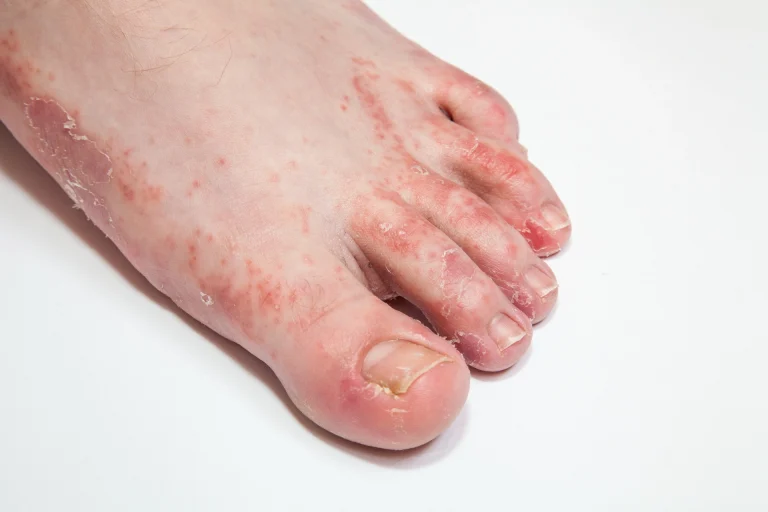
Daktacort is an over-the-counter treatment that can be used to treat fungal infections. Typically it can be used to treat infections in areas that can get warm, and sweaty. It’s these conditions that allow fungal infections to thrive. These fungi can infect humans when they come into contact with the skin, nails, or mucous membranes, leading to an overgrowth and subsequent infection. Let’s closely examine what Daktacort is and what it can be used to treat.
What are fungal infections?
Fungal infections are caused by fungi. They are tiny organisms that can live on the surface of the skin or in moist areas such as the mouth, gut, and vagina. The ideal conditions for fungi to grow are warm, moist places, so they often cause skin, nail, and hair infections. They can also cause serious lung infections.
Fungi cause infections by breaking through the cell membrane and growing inside the cell. They release toxins that damage the cell and surrounding tissue. Fungi can also reproduce by releasing spores into the air. These spores can then land on your skin or be inhaled into your lungs. Once on your body, they can grow and cause an infection.
Fungi cells contain a nucleus and other components protected by a membrane and a thick cell wall containing chitin. Chitin is a large, structural polysaccharide which is incredibly strong, making fungi harder to kill.
What does Daktacort treat?
- Athlete’s foot (Tinea Pedis): This infection affects the feet, particularly the spaces between the toes, causing itching, redness, scaling, and sometimes blisters
- Sweat rash: This is a fungal skin infection that primarily affects the groin area, underarms, and under the breasts causing a red, itchy rash
Do not use Daktacort to treat ringworm unless directed to by a doctor as it can worsen the condition.
Athlete’s foot
Athlete’s foot is a skin infection that is caused by a fungal infection. The fungus usually grows in moist areas, such as showers, locker rooms and pools. The fungus can also spread from person to person through contact with contaminated surfaces. The infection usually begins between the toes, where the skin is soft and moisture levels are high. From there, it can spread to other parts of the foot. In severe cases the infection can spread to the nails or even to other parts of the body. People who have athlete’s foot often have damp or sweaty feet. Symptoms of athlete’s foot include:
- Itchy skin
- Burning skin
- Red, irritated skin
- Cracked and peeling skin
- In severe cases, the infection can spread to the nails or even to other parts of the body
Some people may also be susceptible to recurrent infections. To prevent athlete’s foot, it is important to keep the feet clean and dry. Wearing shoes that allow the feet to breathe is also important. If someone has athlete’s foot, they should avoid sharing towels or shoes with others.
Sweat rash
A sweat rash caused by fungus can occur where folds of skin are present such as underarms, breasts, top of legs and the groin. Sweat rash causes itchiness, redness, the affected area to become scaly or begin to flake, a burning sensation or discomfort during exercise or activities that cause sweating.
Certain risk factors increase the chance of developing a sweat rash. These include:
- Excessive sweating
- Tight workout clothes which may cause friction and trap moisture
- Poor hygiene
- A weakened immune system
- Obesity or being overweight, causing you to sweat more
- Eczema or dermatitis
- Athlete’s foot, which may cause the infection to spread to your groin area
What does Daktacort contain?
This product contains two active ingredients:
- Miconazole nitrate
- Hydrocortisone acetate
Daktacort cream also contains liquid paraffin, butylhydroxyanisole, purified water and benzoic acid.
How does Daktacort cream work?
Miconazole
Miconazole is an imidazole antifungal. It works by stopping the growth of fungi that cause infection and blocking the production of ergosterol, an important part of the fungal cell membrane.
Hydrocortisone
Hydrocortisone is a mild corticosteroid (steroid) used to reduce inflammation. When applied to the skin, it reduces inflammation and swelling. By suppressing the body’s natural inflammatory response, it can also help relieve redness, itching, and other symptoms associated with skin irritation.
How do you apply Daktacort cream?
- Wash the infected area and dry it well
- Apply a small amount of Daktacort cream to the affected area and rub it in gently until the cream has disappeared
- Unless your doctor tells you differently, apply a small amount of Daktacort cream to the affected area 2 or 3 times each day
- Wash your hands carefully after applying the cream to avoid spreading the infection to other parts of the body or to other people
- Use a separate hand towel for your use to prevent the spreading of the infection

Lamisil
From £51.12
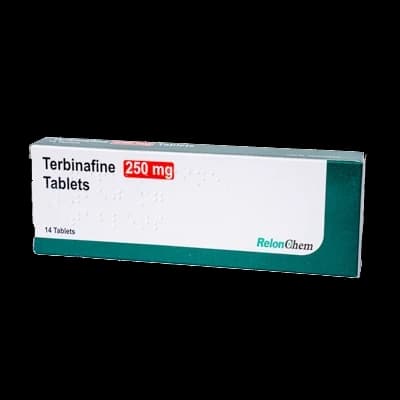
Terbinafine
From £14.99
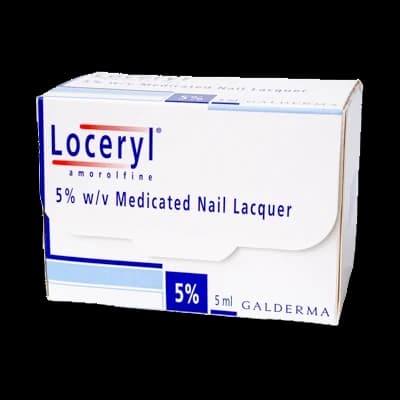
Loceryl Nail Lacquer
From £35.84
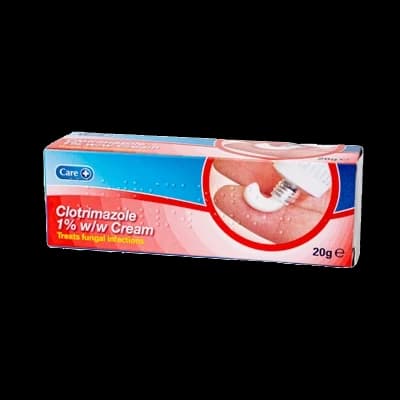
Clotrimazole
From £14.84
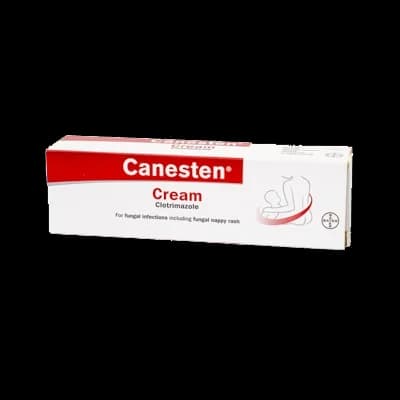
Canesten
From £11.09
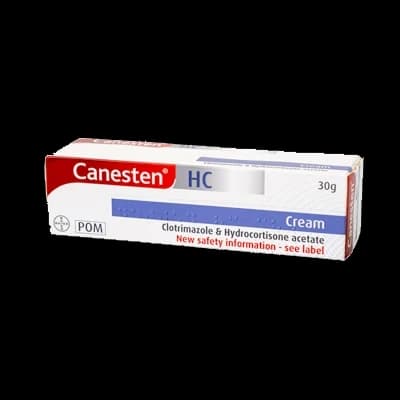
Canesten HC
From £17.99
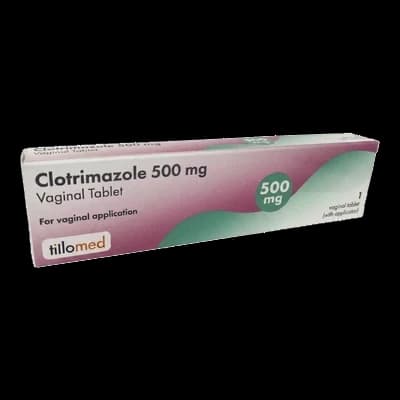
Clotrimazole Pessary
From £21.65
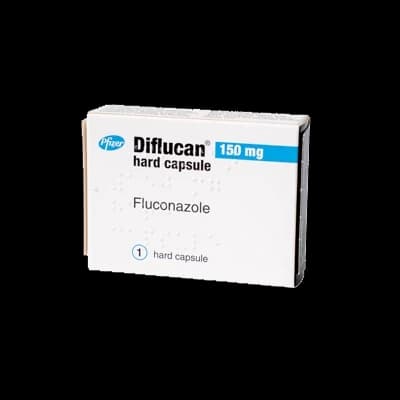
Diflucan
From £17.99
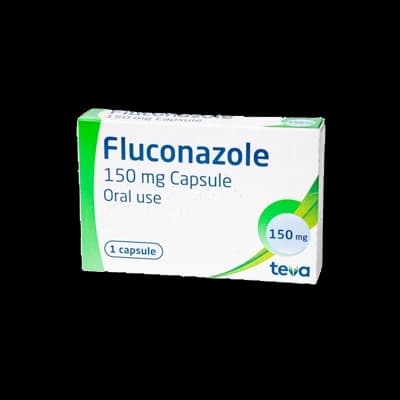
Fluconazole
From £8.83Store in a cool, dry place out of sight and reach of children. Do not use after the expiry date.
Precautions to using Daktacort hydrocortisone cream
- Do not use on cold sores, acne, herpes, chicken pox or shingles
- Do not use on the genital or anal area
- Do not use on face, eyes or mucous membranes
- Do not use on ringworm unless directed by a doctor
- Do not use it if you are allergic to any of the ingredients
- Do not use on affected area for more than 7 days
- Do not use on broken skin, under dressings or baby’s nappies
- Do not use this medication if you are currently using a barrier method of contraception such as condoms or diaphragms as their effectiveness may be reduced
Daktacort side effects
Using Daktacort cream can have side effects, although they are usually mild and pass in a few days.
Side effects can include:
- Skin irritation
- Dry skin
- Skin discolouration
- Thinning of skin
- Allergic reaction (rare)
If you experience any serious side effects such as hives, swelling of the face, lips, tongue or throat, difficulty swallowing or difficulty breathing stop using the medication and seek medical attention immediately. Before starting any medication speak to your healthcare provider and read the patient information leaflet provided.
Use of Daktacort HC cream during pregnancy and breastfeeding
Speak to your doctor or pharmacist for advice before starting this medication if you are pregnant or breast-feeding or are planning a pregnancy.
Conclusion
Daktacort is an effective topical treatment for athletes’ foot, sweat rashes and other conditions under the guidance of a healthcare professional. Caution should be taken with certain groups of people such as young children, pregnant women and the elderly. Always inform your healthcare provider about any other medications you are taking before using Daktacort, including herbal medicines, vitamins and supplements.
Sources
About NowPatient's Editorial Process
- Written by clinical authors
- Reviewed every 2 years
- Conflicts of interest declared
NowPatient's medical content is selected by a panel of practising clinicians (pharmacists, doctors and allied healthcare professionals) and researched by an in-house team of writers who all hold scientific or clinical backgrounds. Sponsorship and conflicts of interest are openly declared.
Every article is peer-reviewed by a clinician for clinical accuracy, evidence base and accessibility, including consideration of the particular characteristics set out in the UK Equality Act 2010. Only then is it released for publication against fixed placement guidelines.
All content is cycle reviewed (typically every two years) and updated sooner if evidence, guidelines or a complaint require it. Changes follow a formal change control procedure and are reflected in the "last updated" date on each article. NowPatient is governed by MiHealth; UK pharmacy services are provided by MiHealth Pharmacy (GPhC 1036487).