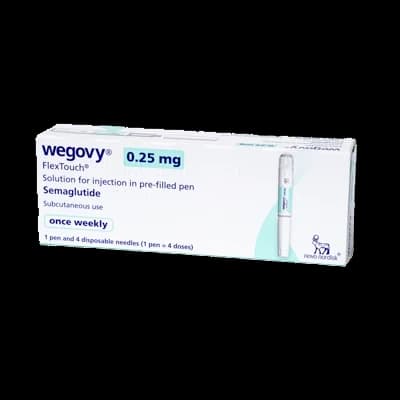
The popularity of semaglutide-based drugs such as Wegovy has led to an unexpected turn of events. With supply shortages of these FDA-approved medications, some patients have turned to compounded versions from pharmacies. However, the U.S. Food and Drug Administration (FDA) has issued stern warnings against this practice due to potential safety concerns.
The complication of compounded drugs
Compounded drugs are a unique category of medications. They are custom-made by pharmacies to meet the specific needs of individual patients. This may involve mixing, combining, or changing ingredients.
This practice can be crucial when there are shortages of FDA-approved drugs. However, the current scenario with semaglutide-based drugs like Wegovy and Ozempic is causing concerns. The FDA has voiced worries about patients experiencing unforeseen side effects with compounded versions of semaglutide.
The compounded versions may use salt-based forms of semaglutide, which differ from the active ingredient in FDA-approved products. This could lead to inconsistent and potentially dangerous results for patients.
The FDA’s statement on Semaglutide
The FDA issued a clear warning about this situation. They stated, “Patients should be aware that some products sold as ‘semaglutide’ may not contain the same active ingredient as FDA-approved semaglutide products and may be the salt formulations.”
This is a significant point to consider. While the name ‘semaglutide’ may be the same, the formulation in compounded drugs could be drastically different. Semaglutide sodium and semaglutide acetate, for instance, have not been proven to be safe and effective.
Adverse events linked to compounded Semaglutide
The FDA has already started receiving adverse event reports from patients who used compounded semaglutide. However, they have not disclosed the number of people affected or the specific side effects reported.
One potential concern is high blood pressure. Sodium, which may be present in higher levels in some compounded semaglutide versions, can elevate blood pressure levels, leading to increased risk of heart attacks and strokes.
Medical experts weigh in on the situation
Medical professionals also express concern over the use of salt-based forms of semaglutide. Adam Gilden, MD, an associate professor at the University of Colorado School of Medicine in Aurora, highlighted the lack of rigorous clinical trials for these versions.
Gilden’s clinic does not prescribe compounded semaglutide due to these concerns. Instead, they recommend patients struggling to obtain semaglutide prescriptions to consider other FDA-approved weight loss or diabetes management medications.
Understanding GLP-1 Agonists
Semaglutide belongs to the group of medicines known as GLP-1 agonists. These drugs can aid weight loss by imitating a hormone that curbs hunger. They also help manage diabetes by improving the body’s use of a hormone needed to regulate blood sugar levels.
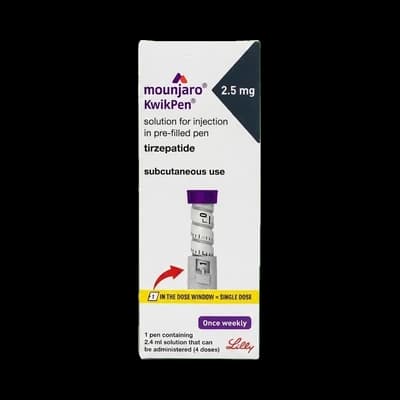
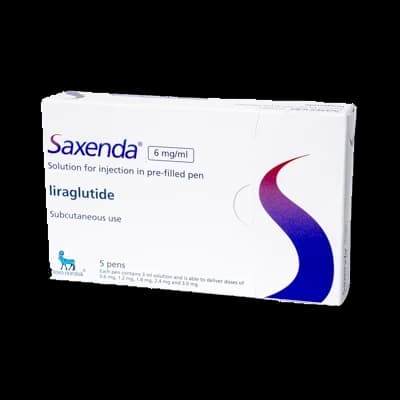
There are other FDA-approved drugs in the same category as semaglutide. Liraglutide (Victoza) is one such drug. Another GLP-1 agonist, Tirzepatide /drugs/tirzepatide (Mounjaro), is currently approved only for treating type 2 diabetes /type-2-diabetes/guide/treatment/ but is expected to gain approval for use as a weight loss drug soon.
Sourcing Semaglutide safely
With the shortages of semaglutide, patients may find it challenging to get their prescriptions filled. While compounded semaglutide may seem like a tempting alternative, the FDA and medical professionals strongly advise against this.
Patients should only purchase semaglutide with a prescription from a licensed pharmacy. They should also be wary of buying medicine online from unregulated, unlicensed sources, as this can expose them to potentially unsafe products.
The FDA’s BeSafeRx campaign offers resources and tools to help patients make safer, more informed decisions when buying prescription medicine online.
Semaglutide: A closer look
Semaglutide medications, such as Ozempic, Wegovy, and Rybelsus, have been at the center of a global shortage due to the rising demand. As a result, some patients have resorted to compounding pharmacies for versions of these diabetes and weight loss medications.
However, the FDA warns consumers that these off-label versions could potentially be unsafe. They have received “adverse event reports” linked to some forms of compounded semaglutide, particularly those containing ingredients similar to semaglutide but in a chemically different salt form.
Semaglutide vs. Semaglutide Sodium
Some compounding pharmacies have been dispensing versions of the medication made with a different active ingredient called semaglutide sodium. The FDA has specifically called out these versions as potentially unsafe.
“Patients should be aware that some products sold as ‘semaglutide’ may not contain the same active ingredient as FDA-approved semaglutide products and may be the salt formulations,” the FDA wrote. “Products containing these salts, such as semaglutide sodium and semaglutide acetate, have not been shown to be safe and effective.”
The bottom line: No approved generic versions
The FDA clearly states that there are only three FDA-approved semaglutide products – Ozempic, Wegovy, and Rybelsus, and none of them have approved generic versions.
As patients and healthcare providers navigate the current semaglutide shortage, it’s crucial to remember that compounded drugs are not FDA-approved and may pose risks. Always consult with a healthcare provider before making decisions about using such alternatives.
Sources
- FDA Warns of Safety Issues With Compounded Forms of Semaglutide – Everyday Health
- FDA Warns Against Compounded Semaglutide for Diabetes, Weight Loss – Diatribe
- Ozempic Is Hard to Find. Some Pharmacies Are Offering Unauthorized Alternatives – NY Times
- FDA Warns People to Avoid Compounded Semaglutide Medicines – WEB MD
- New Pill Form of the Weight Loss Drug Wegovy May Work as Well as Shots – Everyday Health
About NowPatient's Editorial Process
- Written by clinical authors
- Reviewed every 2 years
- Conflicts of interest declared
NowPatient's medical content is selected by a panel of practising clinicians (pharmacists, doctors and allied healthcare professionals) and researched by an in-house team of writers who all hold scientific or clinical backgrounds. Sponsorship and conflicts of interest are openly declared.
Every article is peer-reviewed by a clinician for clinical accuracy, evidence base and accessibility, including consideration of the particular characteristics set out in the UK Equality Act 2010. Only then is it released for publication against fixed placement guidelines.
All content is cycle reviewed (typically every two years) and updated sooner if evidence, guidelines or a complaint require it. Changes follow a formal change control procedure and are reflected in the "last updated" date on each article. NowPatient is governed by MiHealth; UK pharmacy services are provided by MiHealth Pharmacy (GPhC 1036487).