People are more likely to get pneumonia during the winter because of bacterial infections or viral infections. Pneumonia is often easily treatable at-home with over the counter treatments, but in certain situations a delay in seeking medical help can be life-threatening. How do you protect yourself from pneumonia and is it a contagious disease?
While bacterial and viral pneumonia are contagious infectious diseases, fungal pneumonia and aspiration pneumonia are not, as they are not passed on from person to person. Lets take a deeper look into how contagious pneumonia is.
? What is pneumonia?
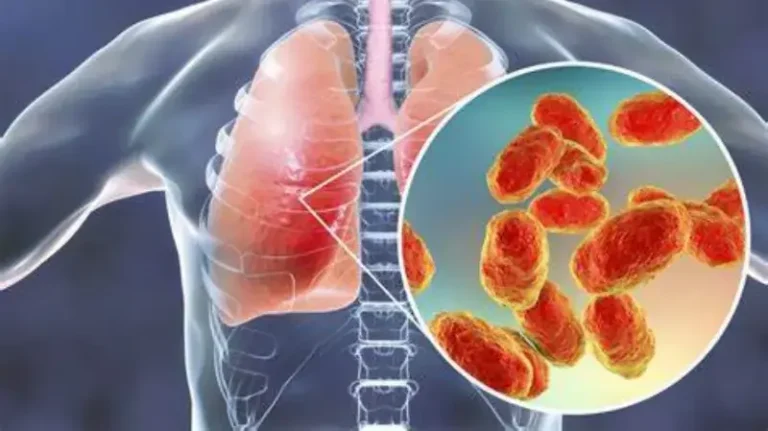
Pneumonia is a lung infection that affects the tiny air sacs (alveoli) in your lungs. When you have pneumonia, these air sacs get inflamed and fill with fluid, making it harder to breathe.
? What causes pneumonia?
Viruses like the influenza virus or RSV (respiratory syncytial virus) cause most cases of pneumonia. Symptoms develop over time and tend to be mild.
Less often, bacteria can cause pneumonia. People usually will become sick more quickly, starting with a sudden high fever, cough, and sometimes fast breathing.
Types of pneumonia
- Bacterial pneumonia
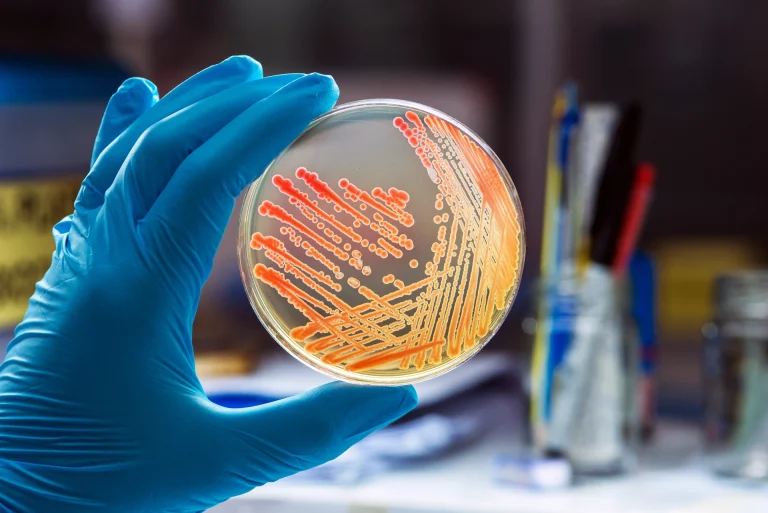
The most common cause of pneumonia is a bacteria called pneumococcal pneumonia (streptococcus pneumoniae). Some types of bacteria can cause atypical pneumonia, such as mycoplasma pneumonia (walking pneumonia).
- Viral pneumonia
The most common causes of viral pneumonia are the influenza (flu), rhinovirus (common cold) and SARS-CoV-2 (that causes COVID-19). One out of three pneumonia cases are viral. RSV is most often the cause of viral pneumonia in children.
- Fungal pneumonia
Inhaling fungi found in soil or animal droppings can cause this rare form of pneumonia. It’s rare in the UK and more likely to affect people with a weakened immune system.
- Aspiration pneumonia
An infection can happen when food or liquids are accidentally inhaled into the lungs. It’s most common in people who already have a condition affecting their brain or their ability to swallow.
? Is pneumonia contagious?
Yes, some types of pneumonia are contagious, meaning it spreads from person to person. Bacterial pneumonia and viral pneumonia are mostly spread by close contact when someone infected coughs, sneezes or talks, sending respiratory droplets into the air. It can also be caught by touching an object or surface that has the germs on it and then touching your nose or mouth.
















Generally, if you have bacterial pneumonia, you are contagious between 48 hours after starting antibiotics and before your fever has gone away. If it is viral pneumonia, as symptoms start to go away (especially fever) so does the contagious period. Fungal pneumonia and aspiration pneumonia are not contagious.
Ways to reduce catching pneumonia
- Avoid contact with people you know have pneumonia
- Handwashing before eating, after touching people and when returning from outdoors
- Keep surfaces at home clean and disinfected, particularly if someone has recently been unwell
- Check you and other family members have had all vaccinations
- Avoid places with inadequate air filtration during the cold and flu season
? Symptoms of pneumonia
Common symptoms of pneumonia include:
- Cough: People with viral pneumonia often have a dry cough without sputum (you may have a cough with sputum)
- A high fever
- Difficulty breathing and shortness of breath
- Chest pain
- Loss of appetite
- Muscle aches and pains
Symptoms can range from mild to severe. Babies, young children and older adults may have different symptoms.
? Who’s most at risk of pneumonia?
People with increased risk factors of developing pneumonia are:
- Babies and very young children
- Elderly people
- Smokers
- People with other health conditions, such as heart disease, COPD (chronic obstructive pulmonary disease) and other lung diseases
- People with a weakened immune system such as HIV/AIDS or alcoholism, or have undergone an organ transplant
If you’re in one of these high risk groups you should take extra care to reduce your chances of catching pneumonia.
? Diagnosis of pneumonia
A healthcare provider will normally carry out a physical examination, discuss symptoms, listen to your breathing, measure blood pressure, pulse rate and temperature and the amount of oxygen in your blood. Based on these findings your healthcare provider will decide whether you should go to the hospital or if you can be treated at home.
Other tests may be requested:
- Chest x-ray
- Blood tests
- Phlegm sample for testing
- A urine sample for testing
? Pneumonia treatment
An infected person will be prescribed treatment depending on whether the cause is bacterial, viral or fungal. Treatment options include antibiotics, antivirals, or antifungals. Improvement in symptoms are normally seen within 2 to 4 weeks.
Some people are at higher risk of becoming seriously ill and may need to go to hospital for treatment. Hospital treatment may also involve being given IV fluids, oxygen therapy or fluid drainage to treat the infection.
? Prevention of pneumonia
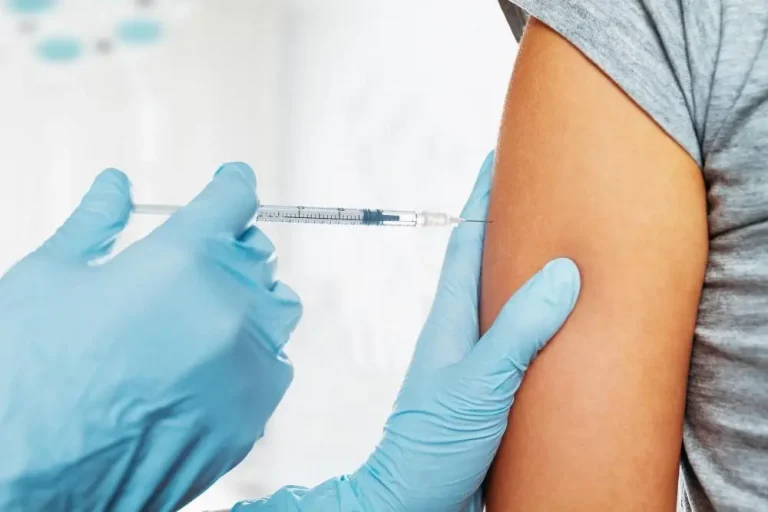
The pneumococcal vaccine is the best form of prevention against Streptococcus pneumoniae, which is the most common cause of bacterial pneumonia.
The pneumonia vaccination is recommended for babies, older adults aged 65 plus and those with certain long-term medical conditions.
In the UK pneumococcal vaccine is usually given as part of the routine NHS child vaccination schedule.
? Final note
Certain types of pneumonia are contagious, but practicing good hygiene is the best way to minimise the chance of catching it. Protect yourself and others from this respiratory infection by:
- Avoiding touching your face
- Sneezing into your elbow
- Regular hand washing
- Wearing a mask in crowded or poorly ventilated area
The different causes and symptoms of pneumonia can make things confusing. A high fever, bloody or unusually coloured mucus, chest pain, shortness of breath and worsening of symptoms shouldn’t be ignored. Always seek medical attention from a healthcare professional when your body is telling you that something isn’t right.
Sources
About NowPatient's Editorial Process
- Written by clinical authors
- Reviewed every 2 years
- Conflicts of interest declared
NowPatient's medical content is selected by a panel of practising clinicians (pharmacists, doctors and allied healthcare professionals) and researched by an in-house team of writers who all hold scientific or clinical backgrounds. Sponsorship and conflicts of interest are openly declared.
Every article is peer-reviewed by a clinician for clinical accuracy, evidence base and accessibility, including consideration of the particular characteristics set out in the UK Equality Act 2010. Only then is it released for publication against fixed placement guidelines.
All content is cycle reviewed (typically every two years) and updated sooner if evidence, guidelines or a complaint require it. Changes follow a formal change control procedure and are reflected in the "last updated" date on each article. NowPatient is governed by MiHealth; UK pharmacy services are provided by MiHealth Pharmacy (GPhC 1036487).