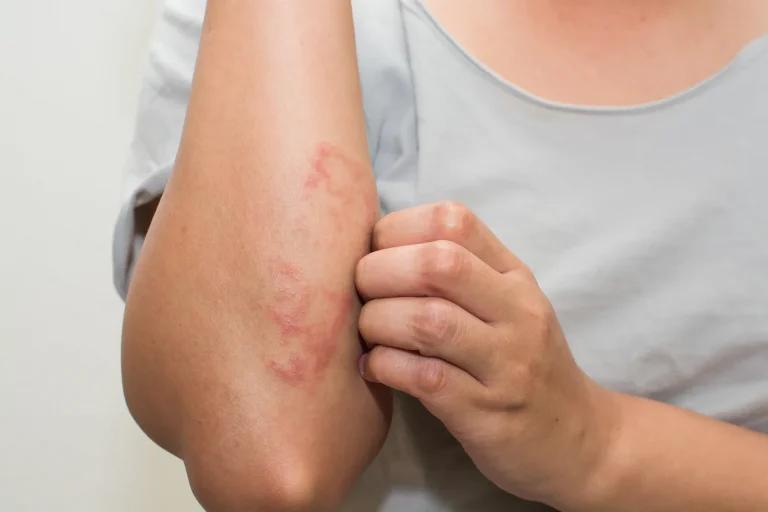
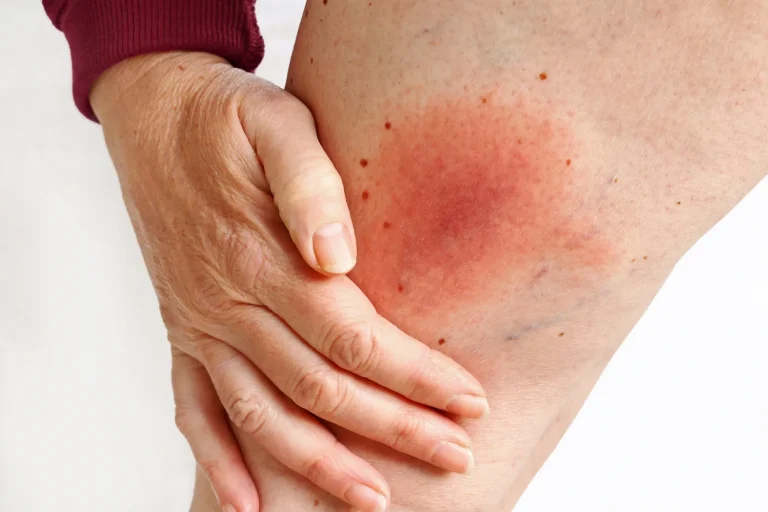
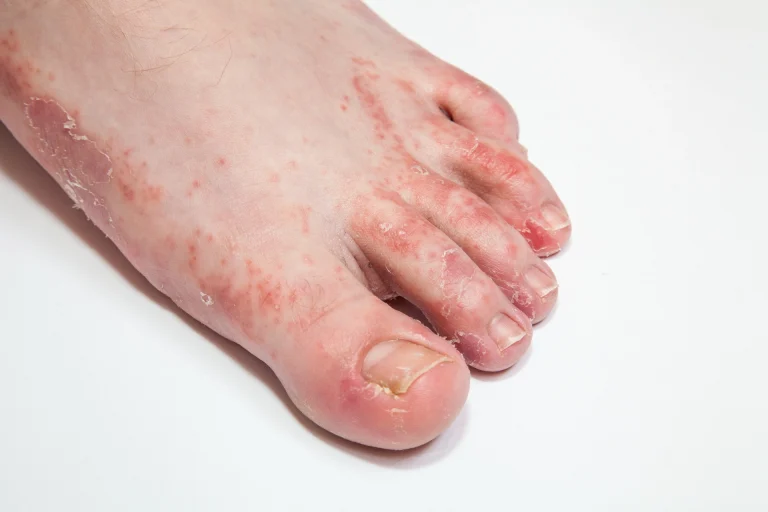
Eczema, also known as atopic dermatitis, is a common chronic skin condition that affects millions of people worldwide. It can affect individuals of all ages, but it is most commonly seen in infants and young children. When you suffer from eczema, there are several different topical steroid treatments you can use, ranging from emollients for daily moisturising, to topical corticosteroids to treat flare-ups. Fucibet cream is one such steroid cream that may be recommended but it is more than just a steroid cream. Let’s delve into what Fucibet cream is and how it can be used.
What is Fucibet cream?
Fucibet cream is manufactured by Leo Laboratories Limited and is classified as a prescription-only medicine (POM). It contains two active ingredients, betamethasone valerate 0.1% and fusidic acid 2%, that work together to treat inflammatory skin conditions, where a bacterial infection is also present.
The other ingredients contained in Fucibet cream are paraffin, sodium dihydrogen phosphate, macrogol cetostearyl ether, white soft paraffin, all-rac-a-tocopherol, purified water, cetostearyl alcohol, chlorocresol and sodium hydroxide. These ingredients are inactive and are added during the manufacturing process for solubility and to stabilise the cream.
How Fucibet cream works
Fucibet works in two different ways:
- The antibiotic kills the bacteria that is causing the infection by stopping the production of new proteins
- The steroid reduces any swelling, redness or itchiness by reducing the release of inflammatory-causing substances
Which steroid is in Fucibet cream?
Betamethasone is the steroid contained in Fucibet cream. It is applied topically for skin treatments to treat itchy, swollen and irritated skin to help with conditions such as eczema.
















Steroids work by stopping chemicals from being released into the skin when you have an allergic reaction or when your skin is irritated. Betamethasone helps to reduce skin inflammation, redness and itching. It is a stronger steroid than hydrocortisone. Fucidin H is a similar treatment to Fucibet, but contains fusidic acid and hydrocortisone when a milder steroid is preferred.
The difference between Fucibet and Fucidin H
The only difference between the two products is the type of steroid they contain. Fucibet cream contains a more powerful steroid, betamethasone, and Fucidin H contains a milder steroid called hydrocortisone. For this reason, Fucibet cream is used to treat severe skin conditions, and in instances where the skin has become infected and there is more severe inflammation. Fucibet and Fucidin H both contain the antibiotic fusicidic acid.
What is Fucibet cream used to treat?
Fucibet can be used to treat several bacterial skin infections:
- Eczema infected with bacteria
- Impetigo
- Infected hair follicles
What is Fucibet cream not used to treat?
It can be tempting to use Fucibet cream on various skin conditions but it’s important to remember there are several conditions Fucibet is unable to treat:
- Fungal infections such as athlete’s foot
- Viral infections such as cold sores, genital herpes or chickenpox
- Rosacea (redness and inflammation on nose and cheeks)
- Perioral dermatitis (red rash around the mouth)
- Psoriasis
- Skin problems caused by tuberculosis or syphilis
- Skin ulcers
- Broken veins
- Acne
- Boils
- Cysts
How long should you use Fucibet cream?
Fucibet cream is a fast-acting treatment and normally starts to produce an improvement within a couple of days. It should be used short-term for two weeks unless your doctor advises otherwise. A limit of two weeks is advised to avoid bacteria becoming resistant to the antibiotic and to minimise side effects caused by the steroids.
How do I apply Fucibet cream?
Fucibet is a topical corticosteroid and antibiotic cream for external use on the skin. Use clean, dry hands to spread a thin layer of a fingertip unit (about the size of cream from your fingertip to the first crease) on the affected area twice daily. Once applied, leave Fucibet cream to soak into the inflamed skin for up to 30 minutes before applying any moisturiser or other topical treatments. Most side effects of Fucibet cream are more likely to happen if the cream is used in large amounts, therefore it is important to apply only a fingertip unit.
What are the side effects of Fucibet cream?
This medicine’s most common side effects include itchiness, redness, a dry skin rash, increased hair growth (hypertrichosis) and a burning sensation at the site of application. If there is a worsening of your condition, visual disturbances or blurred vision during use, consult your prescriber.
Are there any other precautions or warnings for this medication?
- Do not use Fucibet cream if allergic to fusidic acid or other ingredients
- Do not use Fucibet cream if you are pregnant or planning to become pregnant. Fucibet can be used by mothers who are breastfeeding, as long as it is not applied directly to the breast. It is always better to consult your doctor before using the cream
- Inform your doctor if you are using any other medicines, dietary supplements, or herbal products while using Fucibet cream
- Take special care if you are going to use this medicine near your eyes or the eyes of a child. If the cream gets into the eye, this may lead to glaucoma
- Adrenal suppression may occur. Signs are tiredness, depression and anxiety. This can be reversed by stopping Fucibet cream
Can you buy Fucibet cream over the counter?
In the UK, Fucibet cream is only available on prescription and you cannot buy it over the counter at a pharmacy. However, you can request Fucibet cream from registered online doctors and pharmacies like Now Patient through an online consultation. Always inform our prescribers of any medication you take to make sure Fucibet is safe and suitable to prescribe for you.
Summary
Fucibet cream is a prescription medication effectively used to treat eczema infected with bacteria and other skin conditions. It is not only a steroid cream, but also a topical antibiotic. The dual action of Fucibet allows it to treat inflammation as well as bacterial infections caused by eczema. You can consult the patient information leaflet provided with the medicine or speak to a healthcare professional for more detailed information about Fucibet cream.
Sources
About NowPatient's Editorial Process
- Written by clinical authors
- Reviewed every 2 years
- Conflicts of interest declared
NowPatient's medical content is selected by a panel of practising clinicians (pharmacists, doctors and allied healthcare professionals) and researched by an in-house team of writers who all hold scientific or clinical backgrounds. Sponsorship and conflicts of interest are openly declared.
Every article is peer-reviewed by a clinician for clinical accuracy, evidence base and accessibility, including consideration of the particular characteristics set out in the UK Equality Act 2010. Only then is it released for publication against fixed placement guidelines.
All content is cycle reviewed (typically every two years) and updated sooner if evidence, guidelines or a complaint require it. Changes follow a formal change control procedure and are reflected in the "last updated" date on each article. NowPatient is governed by MiHealth; UK pharmacy services are provided by MiHealth Pharmacy (GPhC 1036487).