Endometriosis affects millions of women worldwide, causing pain and fertility issues. Many patients and healthcare providers have wondered: Is endometriosis an autoimmune disease? This article will look into the nature of endometriosis, explore how the immune system plays a role in its development, and examine the similarities it shares with autoimmune diseases. By looking into these aspects, we aim to understand better the complex nature of endometriosis and its potential classification as an autoimmune disorder.
What is endometriosis?
Endometriosis is a chronic condition affecting women of reproductive age where tissue similar to the lining of the uterus (endometrium) grows outside the uterus. This tissue can develop on the ovaries, fallopian tubes, and other organs in the pelvic area. During menstruation, this tissue responds to hormones, causing inflammation, pain, and potential scarring.
The main symptoms of endometriosis can range from mild to severe but the main symptom is pelvic pain. Other symptoms may include:
- Painful menstrual cramps
- Heavy periods or spotting between menstrual cycle
- Pain during intercourse
- Discomfort during urination or bowel movements
- Fatigue
- Infertility
Diagnosing endometriosis can be challenging. Doctors typically start with a physical exam and may recommend imaging tests like ultrasounds or MRIs. However, a complete diagnosis often requires a laparoscopy, a surgical procedure that shows a proper picture of the pelvic organs.
The exact cause of endometriosis remains unknown, but it’s believed to begin during fetal development. While some individuals may not experience symptoms, others find that endometriosis significantly impacts their daily lives and fertility.
The immune system’s role in endometriosis
The immune system plays a crucial part in endometriosis. Inflammation, a key immune response, is one of the main risk factors contributing to the development and progression of this condition. When endometrial-like tissue grows outside the uterus, it triggers an inflammatory response.
This inflammatory response starts the growth of endometrial lesions. The persistent inflammation alters pain signals, causing chronic pelvic pain of varying intensity. Inflammatory mediators, such as prostaglandins, vascular endothelial growth factor (VEGF), and interleukins, are secreted in higher amounts in women with endometriosis.
Research has shown that immune cells, including neutrophils, macrophages, and natural killer cells, contribute to the growth and invasion of endometrial cells. These cells produce factors that help the lesion grow. The imbalance between different types of immune cells leads to an abnormal inflammatory cycle.
Similarities between endometriosis and autoimmune conditions
Endometriosis shares several characteristics with autoimmune diseases, leading researchers to explore potential connections:
- Studies have shown that women with endometriosis have a higher risk of developing autoimmune disorders such as systemic lupus erythematosus (SLE), Sjögren’s syndrome, rheumatoid arthritis, multiple sclerosis, celiac disease, autoimmune thyroid disorder and inflammatory bowel disease
- Both endometriosis and autoimmune diseases involve abnormalities in the immune system. In endometriosis, there’s an increased production of pro-inflammatory cytokines and chemokines, as well as a higher concentration of peritoneal macrophages
- The presence of auto-antibodies. Women with endometriosis often have high levels of anti-macrophage factor antibodies, which link with the severity and number of lesions
Treating autoimmune diseases
Treating autoimmune diseases varies depending on the condition and symptoms. Symptoms can be managed through painkillers, anti-inflammatories, insulin injections, sleeping medications, rash creams, and other treatments.
Treating endometriosis
Endometriosis treatment varies depending on the symptoms, but is categorised as pharmacological or surgical. No medications completely stop the growth and progression of the disease, but some treatments can reduce the symptoms and aid in fertility. Surgical treatment may be more appropriate for those attempting to conceive, as implants can be surgically removed.
Conclusion
The similarities between endometriosis and autoimmune diseases provide valuable insights for future research and treatment options. The shared immunological features and increased risk of autoimmune disorders in women with endometriosis suggest a need to consider wider treatment strategies. Ongoing research will bring hope for improved diagnosis, management, and quality of life for millions of endometriosis patients worldwide.
Sources
- Is endometriosis an autoimmune disease? – PubMed
- Is there a link between endometriosis and autoimmune diseases? – Wellbeing of Women
- Endometriosis – Autoimmune Association
- Endometriosis & Autoimmune Link: Diagnosis, Treatment Options – Gynecologic Oncology Institute – Robotic Surgery – Integrative Healing
- Concomitant autoimmunity may be a predictor of more severe stages of endometriosis – Scientific Reports

Ponstan
From £19.61
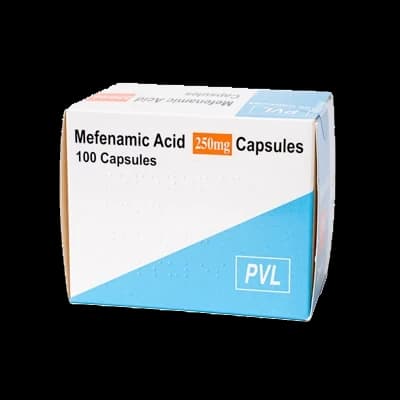
Mefenamic Acid
From £17.99About NowPatient's Editorial Process
- Written by clinical authors
- Reviewed every 2 years
- Conflicts of interest declared
NowPatient's medical content is selected by a panel of practising clinicians (pharmacists, doctors and allied healthcare professionals) and researched by an in-house team of writers who all hold scientific or clinical backgrounds. Sponsorship and conflicts of interest are openly declared.
Every article is peer-reviewed by a clinician for clinical accuracy, evidence base and accessibility, including consideration of the particular characteristics set out in the UK Equality Act 2010. Only then is it released for publication against fixed placement guidelines.
All content is cycle reviewed (typically every two years) and updated sooner if evidence, guidelines or a complaint require it. Changes follow a formal change control procedure and are reflected in the "last updated" date on each article. NowPatient is governed by MiHealth; UK pharmacy services are provided by MiHealth Pharmacy (GPhC 1036487).