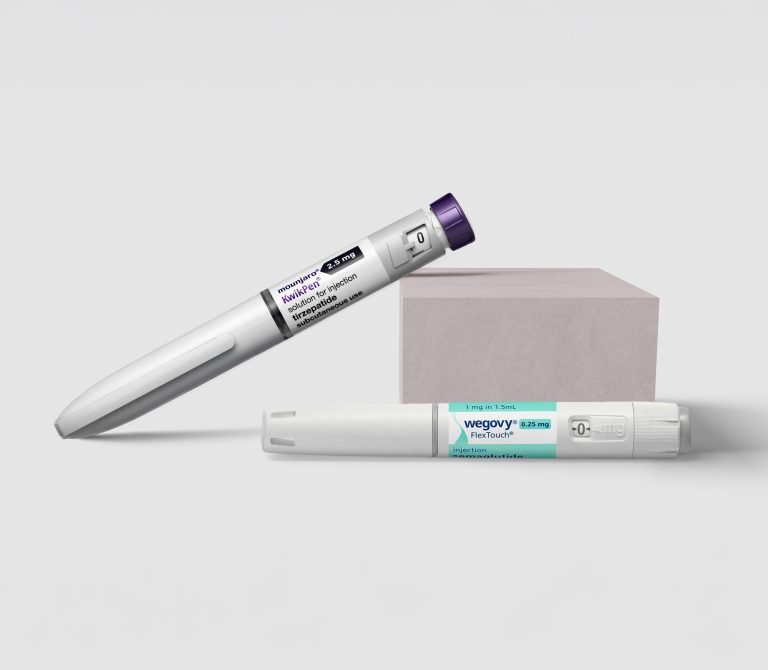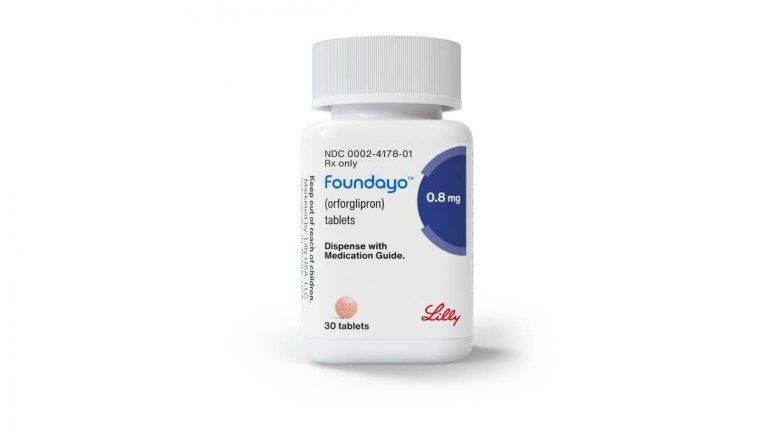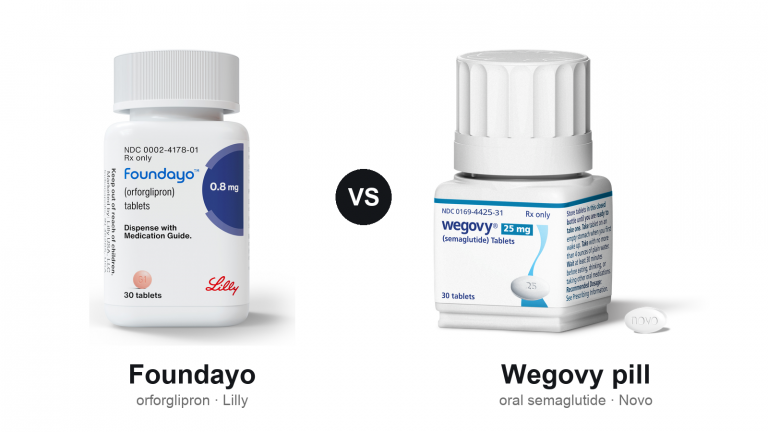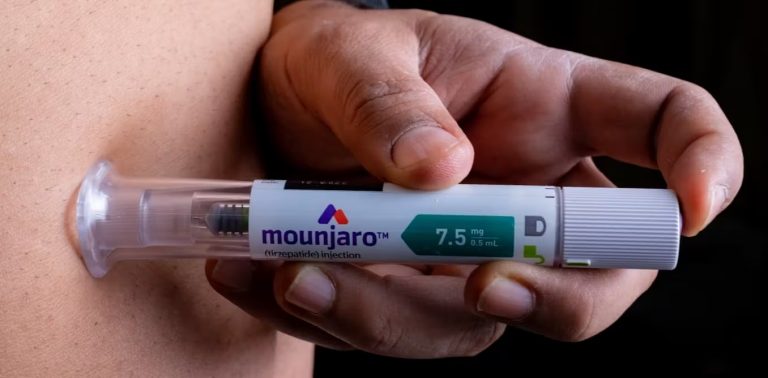

















Both medicines work to reduce appetite, increase feelings of fullness and improve blood glucose control, supporting a reduced calorie diet and increased physical activity. Eli Lilly has authorised both medications for weight management in the UK as of October 2026.
It is worth noting that Foundayo (orforglipron) refers to the same medicine: the brand name and the active ingredient. Some people search for “foundayo and mounjaro” wondering if they can be taken together. They should not be combined, as explained later in this article.
How do Foundayo and Mounjaro work in the body?
GLP-1 is a natural hormone released in your digestive system after eating. It slows stomach emptying, reduces food cravings, increases feelings of fullness and helps with blood glucose control. Both medicines mimic or enhance this natural hormone’s action to support weight loss.
Here is how each one works:
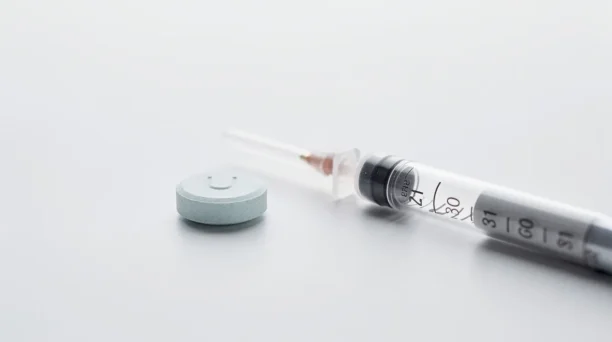
- Foundayo is a small-molecule oral GLP-1 receptor agonist. Taken as an oral tablet, it activates GLP-1 receptors to slow how quickly your stomach acid breaks down food, reduce hunger, and support lower calorie intake. Because it is a small molecule rather than a peptide, Foundayo does not need the special fasting or water restrictions required by peptide-based oral GLP-1 medicines such as oral semaglutide. It can be absorbed through the gut without carrier chemicals or an empty stomach requirement.
- Mounjaro enhances metabolic effects by activating both GLP-1 and GIP hormone receptors. This dual-receptor action may amplify appetite suppression, improve blood glucose control and influence how your body processes fat. The GIP pathway is thought to add effects on insulin release and energy metabolism beyond what GLP-1 alone provides.
An important point: more receptors does not automatically mean “better” for every person. How Foundayo works for you, or how your body responds to Mounjaro, depends on your medical history, your tolerability and your treatment goals, not just pharmacology.
How much weight can you lose? Foundayo vs Mounjaro in clinical trials
“How much weight will I lose?” is usually the first question. Clinical trial averages are a useful guide, but they are not a guarantee of individual weight loss results.
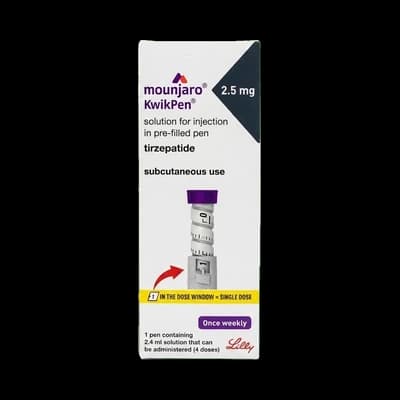
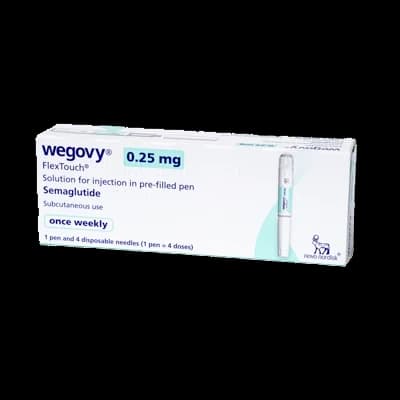

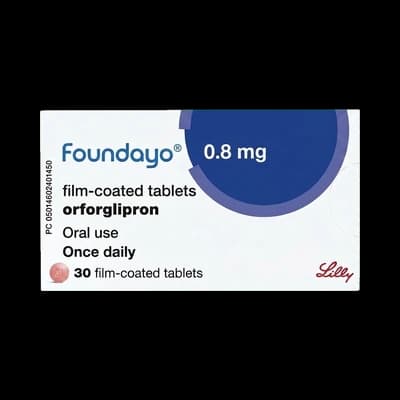
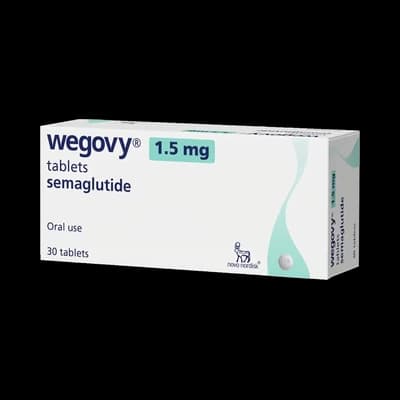
Foundayo (ATTAIN-1 trial)
In the ATTAIN-1 clinical trial, adult participants with obesity or overweight (plus at least one weight-related health condition, without type 2 diabetes) followed a reduced calorie diet and activity programme for 72 weeks. Foundayo achieved an average weight loss of 12.4% of body weight at the highest dose, compared with about 0.9% on placebo. In the ATTAIN-1 trial, 55% lost at least 10% of body weight. Average weight loss for Foundayo ranges from approximately 11% to 12.4% in clinical trials over 72 weeks.
Mounjaro (SURMOUNT-1 trial)
In the SURMOUNT-1 trial, adults with similar eligibility were treated for 72 weeks. Mounjaro’s SURMOUNT-1 trial showed 22.5% weight loss at 15 mg, with Mounjaro producing an average weight loss of 20.9% at 15 mg. Mounjaro shows average weight loss ranging from 16% to as high as 22.5% in similar clinical trials over 72 weeks.
Why you cannot simply compare these numbers
These were separate clinical trials with different people, different baseline characteristics and different study designs. Making a direct comparison and saying one is “twice as effective” would be misleading. The only fair conclusion is that Mounjaro produced greater average weight loss in its trials, but individual results vary widely. Some people lose more, some less. Adherence, dose escalation, how your body adjusts, and commitment to a healthy diet and activity all affect outcomes.
Foundayo vs Mounjaro: dosing, daily routine and convenience
Convenience and how a medicine fits into everyday life often matter as much as headline weight loss percentages. Here is how the two compare in daily routine.
Foundayo dosing
Foundayo is taken as one tablet once daily. It is an oral medication swallowed whole, and it can be taken with or without food. Foundayo does not require fasting or water restrictions, making it flexible for shift workers and varied routines. Foundayo does not require refrigeration and can be stored at room temperature.
Mounjaro dosing
Mounjaro is administered as a subcutaneous injection once weekly, usually into the abdomen, thigh or upper arm. It is given on the same day each week. Mounjaro requires refrigeration before its first use and is administered weekly via injection using a pre-filled pen.
Practical pros of each
- Foundayo: no needles, no injection-site reactions, no fridge storage, easier when travelling or for people with needle-phobia. The trade-off is remembering a daily tablet.
- Mounjaro: only one weekly injection, which may be easier for people who struggle with daily tablets. However, pen use training, safe sharps disposal and storage need to be considered.
Dose escalation schedules: how you start and increase
Both medicines start low and increase gradually. This approach limits gastrointestinal side effects while your body adjusts to the treatment. The different dosing schedules reflect different medicines with different active ingredients.
Foundayo escalation
- Foundayo’s starting dose is 0.8 mg once daily.
- Dose escalation for Foundayo occurs at least every 30 days (at least four weeks between increases).
- Stepwise increases continue over several months, up to a maximum maintenance dose of 17.2 mg once daily if tolerated.
Mounjaro escalation
- Mounjaro’s starting dose is 2.5 mg once weekly for the first four weeks.
- Mounjaro’s dose can be increased every four weeks, in 2.5 mg increments (for example, 5 mg, 7.5 mg, 10 mg, 12.5 mg), up to a maximum of 15 mg once weekly if needed and tolerated.
Milligram numbers are not interchangeable or “equivalent” between Foundayo and Mounjaro. They are different molecules with different potencies. Prescribers may pause or slow dose increases if side effects are troublesome. Patients should never change doses without medical advice.
Side effects and safety: how do Foundayo and Mounjaro compare?
GLP-1-based medicines share a similar side-effect profile. Most side effects are gastrointestinal, tend to be mild to moderate, and often appear during dose increases before settling as your body adjusts.
Common side effects
Both medications can cause gastrointestinal side effects. The most frequently reported include nausea, constipation, diarrhoea, vomiting, abdominal pain, indigestion, decreased appetite, headache and fatigue. Common side effects of Foundayo include nausea and diarrhoea. Mounjaro also has gastrointestinal side effects like vomiting and constipation. In trials, 6 to 10% of Foundayo users discontinued due to gastrointestinal side effects.
Serious but rare risks
- Severe abdominal pain may indicate acute pancreatitis for both medications. If you develop severe or persistent pain in your abdomen, seek immediate medical help.
- Gallbladder disease (gallstones, cholecystitis) has been reported.
- Nausea and vomiting can lead to dehydration in both treatments, which may affect kidney function.
- Animal studies have shown possible associations with medullary thyroid carcinoma; discuss any thyroid history with your prescriber.
Pregnancy, breastfeeding and contraception
Neither Foundayo nor Mounjaro should be used in pregnancy or breastfeeding. Effective contraception is needed if pregnancy is possible during treatment. Mounjaro can reduce the effectiveness of oral contraceptive pills around the time treatment begins and during dose increases. The UK patient information leaflet for Mounjaro advises using an additional barrier method of contraception (such as condoms) for four weeks after starting treatment and after each dose increase.
Who is eligible for Foundayo or Mounjaro in the UK?
Foundayo and Mounjaro are both prescription only medicines, not cosmetic quick fixes. They are licensed for people living with obesity or overweight who also have health risks.
Typical eligibility criteria
- Foundayo is licensed for adults with a BMI of 30 or above. Adults with a BMI between 27 and 30 need a weight-related comorbidity such as type 2 diabetes, high blood pressure, high cholesterol or obstructive sleep apnoea.
- Foundayo is not suitable for anyone under 18 years old.
- Both Foundayo and Mounjaro are indicated for weight management and are developed by Eli Lilly. Eligibility broadly mirrors the same BMI thresholds.
Both medicines must be used alongside diet and increased physical activity. A prescriber will review your medical history before prescribing Foundayo or Mounjaro, including current other medicines, treatment history and mental health. Foundayo is a prescription-only medicine in the UK.
Mounjaro has NICE guidance (TA1026) for certain NHS patients, with a phased roll-out through specialist weight management services. Foundayo is available by private prescription after MHRA authorisation and will require a separate NICE assessment before NHS funding becomes available. The National Institute for Health and Care Excellence will determine Foundayo’s NHS status in due course.
Foundayo cost, Mounjaro cost and NowPatient availability
Prices can change over time and vary between private providers, so this article will not quote exact figures but will outline general points. However, NowPatient offers GLP-1 medications at near to cost price and does not tie you into a subscription, which may appear cheap at first but could cost you a lot more as you progress through your treatment plan.
Both Foundayo and Mounjaro are available in the UK. Foundayo is a newer oral GLP-1 launched in 2026, while Mounjaro has been in UK obesity and diabetes clinics for longer. Mounjaro is also gradually becoming available on the NHS for eligible patients under NICE guidance, whereas Foundayo cost and NHS funding will depend on future NICE decisions.
Manufacturing differences (small-molecule daily tablet versus injectable peptide) may affect long-term Foundayo cost compared with Mounjaro, but patients should check up-to-date fees with individual providers. It is important to use only regulated UK pharmacies and clinics. Avoid counterfeit products sold via social media or unregulated websites.
Online consultation and how to start treatment safely
Most people now begin GLP-1 treatment through either their GP or through a regulated online pharmacy like NowPatient.
Typical steps of a NowPatient virtual video consultation:
- Book a virtual consultation through the NowPatient app.
- During the consultation, a weight loss specialist clinician will review your medical history, weight, height, BMI, current medicines, past GLP-1 use, mental health and pregnancy status. During the consultation, you may also ask questions around suitability, efficacy and costs.
- The clinician decides whether Foundayo or Mounjaro is suitable, or whether a different approach (or neither medicine) is appropriate for your treatment goals.
Online services must be regulated by bodies such as the CQC and GPhC in the UK. A private prescription is issued only when clinically safe.
Before your consultation, prepare recent weight and health information. Ask about monitoring plans, follow-up appointments and side-effect support. This is also a good time to discuss your weight loss journey, your starting weight and what realistic expectations look like. And remember, NowPatient also offers a ramp off plan, to help you come off medication while continuing to lose weight or maintain your ideal target weight.
Who might suit Foundayo, and who might suit Mounjaro?
The following points are general patterns, not strict rules. Final decisions must be made with a clinician who knows your full medical history.
Who might suit Foundayo:
- People with a strong preference for a daily tablet in pill form over injections
- Those with needle-phobia or who dislike handling sharps
- Individuals who travel frequently and want to avoid carrying injection pens and refrigeration
- Patients switching from Mounjaro to Foundayo for weight maintenance after reaching their weight goal
- Those wanting a flexible oral GLP-1 without fasting rules, unlike some other oral medication options (such as the Wegovy pill, if it becomes available in oral form)
Who might suit Mounjaro:
- People who need or are likely to benefit from the largest average weight loss seen in trials
- Patients already confident with injections, for example insulin users with type 2 diabetes
- Those preferring once-weekly dosing over remembering a daily tablet
- Individuals with type 2 diabetes where tirzepatide’s strong blood glucose control effects are a priority
Some people try one option and then switch after discussion with their prescriber if weight loss plateaus, side effects are difficult, or lifestyle circumstances change. Factors such as kidney function, gallbladder history, risk of pancreatitis, mental health and concurrent medicines will influence which option a prescriber recommends. These are different medicines with different strengths.

Switching between Mounjaro and Foundayo
Switching from Mounjaro to Foundayo, or the reverse, is possible but must be planned carefully with a clinician.
Reasons for switching from Mounjaro to Foundayo:
- Preference for tablets over ongoing injections
- Injection fatigue or injection-site reactions
- Travel or storage issues
- Managing certain gastrointestinal side effects
- Moving from active weight loss to weight maintenance
Reasons for switching from Foundayo to Mounjaro:
- Desire for greater weight loss where appropriate
- Poor response to the daily tablet
- Specific diabetes control needs after clinical review
There is some evidence from the ATTAIN-MAINTAIN trial about using orforglipron (Foundayo) after tirzepatide, showing maintenance of a large proportion of prior weight loss. However, this is not a direct comparison between the two drugs. It supports the idea that Foundayo may help support weight management after initial loss on an injectable.
The two medicines should not be taken together. Prescribers may recommend a washout period or specific timing when changing from one to the other. Patients should never self-switch or overlap doses without instructions from their healthcare professional.
Comparison table: Foundayo vs Mounjaro at a glance
The table below summarises the key differences to help you see them side by side.
| Feature | Foundayo | Mounjaro |
|---|---|---|
| Active ingredient | Orforglipron | Tirzepatide |
| Class | GLP-1 receptor agonist | Dual GIP and GLP-1 receptor agonist |
| How taken | Oral tablet, swallowed daily | Subcutaneous injection, once weekly |
| Frequency | Once daily | Once weekly |
| Mechanism | Activates GLP-1 receptors | Activates both GIP and GLP-1 receptors |
| Average weight loss (top dose, 72 weeks)* | Around 12.4% (ATTAIN-1) | Around 20 to 22.5% (SURMOUNT-1) |
| Starting dose | 0.8 mg daily | 2.5 mg weekly |
| Maximum dose | 17.2 mg daily | 15 mg weekly |
| Storage | Room temperature, no refrigeration | Refrigeration before first use |
| Impact on oral contraceptives | No specific warning | May reduce effectiveness; barrier method advised after starting treatment and dose increases |
| UK availability | Private prescription (MHRA authorised August 2026; NICE review pending) | Private prescription and NHS (NICE TA1026 phased roll-out) |
| Lifestyle fit | Daily habit-building; flexible around food | Weekly planning; injection confidence needed |
*These figures come from separate clinical trials, not a head-to-head study. Individual results vary.
What happens when you stop Foundayo or Mounjaro?
Obesity is a long-term condition. Weight regain is common after stopping GLP-1 treatment, regardless of which medicine you used. This is not a failure; it reflects how the body responds when the appetite-suppressing effects of the medicine are removed.
In clinical trials, people who stopped GLP-1-based medicines tended to regain some body weight over time as appetite and calorie intake increased again. Ongoing lifestyle changes, psychological support and monitoring are vital if you and your prescriber decide to taper or stop treatment.
Some people move from injectable options to oral GLP-1 treatments like Foundayo as a maintenance strategy after reaching weight targets, based on emerging clinical trial data. This can support weight maintenance without the need for ongoing injections.
If you are considering stopping, plan any dose reduction with your NowPatient clinician. Do not run out of medicine or stop suddenly without a plan, especially if you also have type 2 diabetes, as this could affect blood glucose control.
Conclusion: choosing between Foundayo and Mounjaro
Mounjaro currently has stronger evidence for larger average weight loss, with people on the highest dose lost around 20% or more of their starting weight in trials. Foundayo offers a needle-free daily tablet option that suits many people’s routines and still delivers clinically meaningful weight loss of around 12%.
Safety profiles and side effects are broadly similar. The choice should balance effectiveness, convenience, tolerability, your medical history and personal preference. There is no single “better” medicine for everyone. The best obesity treatment is the one that is safe, suitable and that you can stick with alongside a healthy diet and regular activity in the long term.
If you are considering starting treatment, book a virtual consultation with one of our weight loss specialist clinicians, face to face, to discuss whether Foundayo, Mounjaro or a different weight management approach is right for you.
FAQs about Foundayo and Mounjaro
Can I use Foundayo and Mounjaro at the same time?
Using Foundayo and Mounjaro together is not recommended. Both medicines work on overlapping hormone pathways (GLP-1), and combining them would increase the risk of side effects such as severe nausea, vomiting and dehydration without proven extra benefit. Current guidelines support using only one GLP-1-based weight loss medicine at a time. If you feel your current medicine is not working, speak to your prescriber about adjusting the dose or switching rather than adding a second GLP-1 medicine.
Do I need to change my diet and exercise on Foundayo or Mounjaro?
Yes. Both medicines are licensed only as part of a programme that includes a reduced calorie diet and increased physical activity. They are not stand-alone fixes. Simple supportive changes include smaller portion sizes, higher-fibre foods, reducing sugary drinks, regular walking or swimming, and attention to sleep and stress. Many clinics offer dietitian, nurse or health coach support alongside GLP-1 prescriptions, which can help you keep weight off long term and make meaningful progress on your weight loss journey.
Can I drink alcohol while taking Foundayo or Mounjaro?
Moderate alcohol intake is not absolutely banned, but both alcohol and GLP-1 medicines can irritate the stomach acid lining and affect blood sugar, especially in people with type 2 diabetes. Limit alcohol, avoid binge drinking, and be careful if nausea or vomiting are already present, to reduce the risk of dehydration and pancreatitis. If you drink regularly, discuss your intake with your clinician before starting treatment, as cutting down on alcohol often improves weight loss results on its own.
Are Foundayo or Mounjaro suitable if I only want to lose a small amount of weight?
Eligibility criteria usually require obesity or overweight with health risks. People with a BMI under 27 kg/m² are unlikely to be offered GLP-1 medicines purely for cosmetic weight loss. If your goal is modest, focusing on lifestyle and behavioural support can be very effective without prescription medicines. A clinician will check your BMI and overall health and will only prescribe these medicines when the benefits outweigh the risks. These are different medicines intended for people with a genuine weight-related health condition.
How long will I need to stay on Foundayo or Mounjaro?
Current evidence suggests obesity is a chronic condition and many people may need long-term or even ongoing treatment to maintain weight loss, similar to medicines for high blood pressure or diabetes. Prescribers usually review progress regularly. Duration of treatment depends on weight changes, side effects, other health conditions and patient preference. Ask your clinician at the start about review points, long-term plans and what might trigger a decision to taper or stop. For example, under NICE guidance, Mounjaro prescribers review at six months to check whether at least 5% weight loss has been achieved before continuing.
What support does NowPatient provide when I stop taking Foundayo or Mounjaro?
NowPatient offers a free 12-month Weight Loss Treatment Cessation Programme for our weight loss patients who stop treatment. Stopping a GLP-1 medicine can let appetite signals gradually return to pre-treatment levels, so structured follow-up helps you protect the progress you have made. You join by selecting “I have stopped taking my weight loss medication” when your reorder reminder arrives, then confirming your stop date and current weight.
The programme includes:
- Week 4: a video consultation with a specialist weight loss clinician to review your progress, appetite and eating habits, and agree a personal support plan.
- Weeks 8 and 12, then months 6 and 9: short questionnaires (5 to 10 minutes) on your weight, hunger, eating, activity, mood and confidence, each reviewed by a clinician who can send feedback and resources.
- Month 12: a final review to agree the next step, such as discharge, continued monitoring every six months, restarting treatment or referral to a service like a dietitian.
- Throughout: diet, activity and stress management resources in your account, plus a “Request Support” button to book an extra consultation whenever you need one.
If you regain more than 5% of your starting weight, a clinician will contact you for a video consultation to look at what has changed, offer extra support and discuss whether restarting Foundayo or Mounjaro is appropriate. Restarting is always subject to a clinical consultation, and NowPatient will let your GP know if there are any concerns. There is no extra charge for the programme.