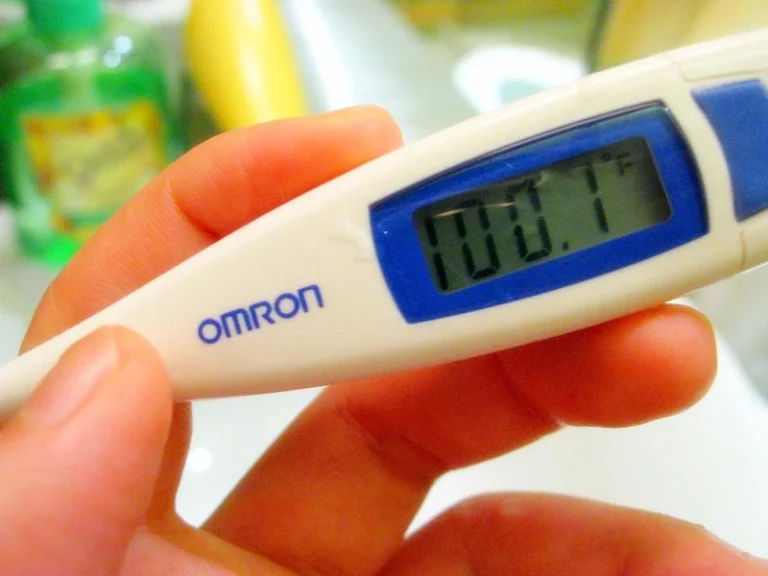
Ibuprofen, a widely recognised non-steroidal anti-inflammatory drug (NSAID), has long been a go-to remedy for fever, pain relief, and inflammation in both adults and children. It is the active ingredient in brand name drugs such as Advil and Motrin.
In this article, we’ll explore the science behind ibuprofen’s fever-reducing properties, explore its usage for adults and children, and provide valuable insights to help you make informed decisions.
How does ibuprofen reduce a fever?
Fever, is the body’s response to illness or infection. When the body’s temperature rises, it signals the immune system to prepare to fight off harmful pathogens. Ibuprofen, as an NSAID, works by inhibiting the production of prostaglandins, which play a key role in inflammation and fever. By reducing the levels of these inflammatory substances, ibuprofen can effectively lower the body’s temperature, providing relief from the discomfort associated with fever.
Mechanism of action
Ibuprofen’s fever-reducing mechanism is rooted in its ability to interfere with the cyclooxygenase (COX) enzymes, which are responsible for the production of prostaglandins. By inhibiting the activity of these enzymes, ibuprofen disrupts the inflammatory process, leading to a reduction in the body’s temperature and the reduction of fever-related symptoms.
Onset and duration of action
Ibuprofen is known for its relatively quick onset of action, with fever-reducing effects typically observed within 30 minutes to an hour of administration. The duration of its fever-lowering properties can vary, but generally, a single dose of ibuprofen can provide relief for 4 to 6 hours in both adults and children.
Ibuprofen for fever reduction in adults
For adults, ibuprofen has long been a good option as a fever reducer. It is widely available over-the-counter (OTC) and is often the first line of defence against a high temperature. Ibuprofen’s effectiveness in reducing fever in adults has been well-documented through extensive research and clinical trials.
Dosage and administration
The recommended dosage of ibuprofen for adults with fever is typically 200-400 mg every 4-6 hours, with a maximum daily dose of 3,200 mg. It is essential to follow the instructions on the medication label or as directed by a health professional to ensure safe and effective use.
Factors influencing fever reduction
Several factors can influence fever reduction experienced by adults taking ibuprofen. These include the underlying cause of the fever, the individual’s response to the medication, and the presence of any underlying health conditions. Ibuprofen should be used cautiously by individuals with heart disease, high blood pressure, clotting disorders and kidney problems. In some cases, ibuprofen may be more effective in reducing fever caused by viral infections, such as the common cold or flu, compared to fever associated with bacterial infections.
Ibuprofen for fever reduction in children
Ibuprofen’s fever-reducing capabilities are not limited to adults; it is also a widely used and effective option for managing fever in children. Parents and caregivers often turn to ibuprofen to provide relief for their little ones during times of illness.




















Dosage and administration for children
The appropriate dosage of ibuprofen for children is determined by the child’s age and weight. Follow the dosage instructions provided on the medication label or as recommended by a healthcare professional. Typically, the dosage ranges from 5-10 mg/kg of body weight, administered every 6-8 hours as needed.
Considerations for fever reduction in children
When using ibuprofen to reduce fever in young children, it is important to consider factors such as the child’s overall health, the severity of the fever, and any underlying medical conditions. In some cases, healthcare providers may recommend alternate fever-reducing medications or a combination of treatments to achieve the desired results.
Comparing ibuprofen and acetaminophen/paracetamol for fever reduction
While ibuprofen is a popular choice for fever reduction, it is not the only option. Acetaminophen, another commonly used medication, also has the ability to lower body temperature. Understanding the similarities and differences between ibuprofen and acetaminophen can help individuals make informed decisions when managing fever.
Mechanism of action
Both ibuprofen and acetaminophen work to reduce fever by targeting the body’s inflammatory pathways. However, while ibuprofen inhibits the COX enzymes, acetaminophen primarily acts on the central nervous system to influence the body’s temperature regulation.
Effectiveness and onset of action
Numerous studies have shown that ibuprofen and acetaminophen are equally effective in reducing fever in both adults and children. However, ibuprofen may have a slightly faster onset of action, with fever-reducing effects typically observed within 30 minutes to an hour of administration.
Safety considerations
Both ibuprofen and acetaminophen are generally well-tolerated, but it is important to be aware of potential side effects and contraindications. One of the common side effects of ibuprofen is an upset stomach. Individuals with certain medical conditions, such as stomach ulcers or kidney problems may need to exercise caution when using ibuprofen. Acetaminophen, on the other hand, can cause liver damage if taken in excessive doses or combined with alcohol.
Conclusion
Ibuprofen’s fever-reducing properties make it a valuable medication in the management of high body temperatures in both adults and children. By understanding its mechanism of action, the appropriate dosages, and its comparison to other fever-reducing medications, individuals can make informed decisions to provide effective relief and support the body’s natural healing process. Remember to always consult with a healthcare professional for personalised medical advice.
Sources
About NowPatient's Editorial Process
- Written by clinical authors
- Reviewed every 2 years
- Conflicts of interest declared
NowPatient's medical content is selected by a panel of practising clinicians (pharmacists, doctors and allied healthcare professionals) and researched by an in-house team of writers who all hold scientific or clinical backgrounds. Sponsorship and conflicts of interest are openly declared.
Every article is peer-reviewed by a clinician for clinical accuracy, evidence base and accessibility, including consideration of the particular characteristics set out in the UK Equality Act 2010. Only then is it released for publication against fixed placement guidelines.
All content is cycle reviewed (typically every two years) and updated sooner if evidence, guidelines or a complaint require it. Changes follow a formal change control procedure and are reflected in the "last updated" date on each article. NowPatient is governed by MiHealth; UK pharmacy services are provided by MiHealth Pharmacy (GPhC 1036487).