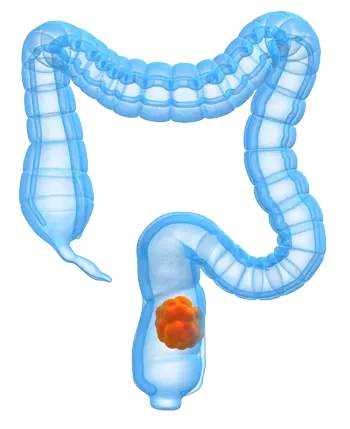
Colorectal cancer is a significant public health concern, with thousands of new cases diagnosed each year. It is the third most common cancer in the United States and the 4th most common cancer in the UK. The average lifetime risk of developing colorectal cancer is about 1 in 23 (4.3%) for men and 1 in 25 (4%) for women. It is widely known that the cancer risk of colorectal cancer can be reduced by maintaining a healthy weight and eating a balanced diet, including fruit and vegetables. It is also well-known that eating too much processed meat and red meat probably increases your risk of bowel cancer, as does alcohol consumption.
In this article, we’ll explore a new study published in the journal of Nature Communications that has found that consuming foods and drinks rich in calcium is linked with a lowered risk of bowel cancer.
? Understanding colorectal cancer
Colorectal cancer, also known as colon cancer or rectal cancer, is a type of cancer that originates in the large intestine (colon) or the rectum. It typically develops from precancerous growths called polyps, which can slowly turn into cancerous tumours over time. Early detection is crucial, as colorectal cancer is highly treatable when caught early, but can become more challenging to manage as it progresses.
Symptoms of colon cancer
Some people may get sudden symptoms that progress quickly, others have symptoms that slowly worsen over time and others have no symptoms at all.
Here are some common signs and symptoms:
- Blood in the stool
- Unexplained weight loss
- Change in bathroom habits
- Fatigue
- Feeling bloated
? What does calcium do in the body?
Calcium is an important mineral for maintaining strong bones, muscle function and heart health, but there is growing evidence of it’s protective effect against some cancers.
? What foods contain calcium?
There is lots of calcium in dairy foods such as milk, yoghurt and cheese. Dairy products are one of the main sources of it in the UK diet (we love our cereals in the morning).
It is also present in non-dairy sources of food like almonds, broccoli, leafy greens, figs, butternut squash, tinned fish and kidney beans. These foods are ideal for people who are lactose intolerant.
? Can drinking milk help lower risk of bowel cancer developing?
An observational study conducted by a lead researcher, Dr Keren Papier from the University of Oxford and Cancer Research UK, suggests dairy products can decrease the risk of colorectal (bowel) cancer. Researchers from the Epidemiology unit in Oxford examined associations of dietary factors with colorectal cancer risk from more than 542,000 women who participated in the Million Women Study. The Million Women Study, one of the largest prospective studies of women’s health in the world.
The study found an extra 300mg of calcium intake a day in the diet, which is the equivalent of a large glass of milk (half a pint of dairy milk) lowers the risk of colon cancer by 17%. The study says calcium is able to bind to bile acids and free fatty acids in the colon, lowering risk of cancer.
The study also found more evidence in line with previous studies that a high alcohol intake and consuming processed meat increased risk of the disease. The amount of alcohol found in a large glass of wine, was linked to a 15% higher risk of bowel cancer, while each 30g of red and processed meat a day was linked to an 8% increase in the disease.
? Conclusion
From Cancer UK figures 44,100 new cases of colon cancer are diagnosed every year in the UK, about 2,600 were in 25-49-year-olds. Experts in the field suggest poor diet and obesity may be among the risk factors involved.
While the trends are concerning, more than half of bowel cancers are preventable through changes to diet and lifestyle. Maintaining a healthy weight, eating more fibre, drinking less alcohol, increasing physical activity and not smoking all help to reduce the risk. Diet is particularly important and this latest study highlights increased dairy intake as a good addition to lower colon cancer risk.
Sources
- Bowel cancer risk could be reduced with an extra glass of milk – Cancer Research UK – Cancer News
- Meat, fish and dairy products and the risk of cancer
- Diet-wide analyses for risk of colorectal cancer: prospective study of 12,251 incident cases among 542,778 women in the UK | Nature Communications
- The Million Women Study — Cancer Epidemiology Unit (CEU)
- Weighing the options – Mayo Clinic
- Colorectal Cancer Screening Tests – Sigmoidoscopy & Colonoscopy – American Cancer Society
About NowPatient's Editorial Process
- Written by clinical authors
- Reviewed every 2 years
- Conflicts of interest declared
NowPatient's medical content is selected by a panel of practising clinicians (pharmacists, doctors and allied healthcare professionals) and researched by an in-house team of writers who all hold scientific or clinical backgrounds. Sponsorship and conflicts of interest are openly declared.
Every article is peer-reviewed by a clinician for clinical accuracy, evidence base and accessibility, including consideration of the particular characteristics set out in the UK Equality Act 2010. Only then is it released for publication against fixed placement guidelines.
All content is cycle reviewed (typically every two years) and updated sooner if evidence, guidelines or a complaint require it. Changes follow a formal change control procedure and are reflected in the "last updated" date on each article. NowPatient is governed by MiHealth; UK pharmacy services are provided by MiHealth Pharmacy (GPhC 1036487).