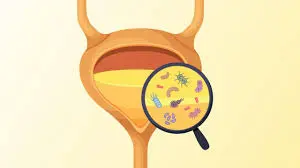
Urinary tract infections (UTIs) can occur in any part of the urinary system, including the bladder, urethra, ureters and kidneys. They are generally associated as a problem affecting women as UTI’s are four times more common in women than in men. However UTIs can also affect males. UTIs are more common in older men 50-60 years of age and rarely affect younger men. About 12% of men will get a UTI at some point and are commonly treated with antibiotics. Lets take a look at how men can get UTIs, the symptoms, causes, risk factors and treatments.
⚕️ Are there different types of UTIs?
Lower urinary tract infections
Most UTIs affect the bladder and the urethra. These include cystitis (bladder infection) and urethritis (infection of the urethra). The most common type of UTI is an infection of the bladder.
Upper urinary tract infections
If untreated, bladder infections can spread to the kidneys and develop into more serious infections. Upper urinary tract infections occur in the ureters or kidneys. These include pyelonephritis (kidney infection), and if not treated quickly can be life threatening if bacteria move from the kidney into the blood.
?⚕️ Can men get bladder infections and what are the symptoms?
Yes, men can get UTIs, although UTIs are uncommon in men because of the longer length of the male urethra and the antibacterial properties of prostatic fluid.
Common symptoms of UTIs for both male and females include:
- Frequent urination
- Burning or pain when peeing (dysuria)
- Cloudy, foul-smelling, or bloody urine
- Pelvic or lower abdominal pain
- Back pain or discomfort
- Fever, chills, and tiredness
Males may also experience:
- Slow flow of urine
- A feeling of incomplete bladder emptying
- Genital discharge
- Pain in the testicles
- Difficulty starting and maintaining urination
Symptoms of a UTI in older frail people who have problems with memory, learning and concentration (such as dementia) may also include:
- Confusion
- Agitated
- Incontinence
- Shaking
?? How does a man get a bladder infection?
The major cause of urinary tract infections are bacteria, with Escherichia coli (E. coli) being the primary culprit. E. coli is commonly found in the gastrointestinal (GI) tract, but it can easily spread from the anus to the urethra.
Increased risk of bladder infection in men may also be linked to:
- A sexually transmitted infection like chlamydia is more likely in males under the age of 35
- An enlarged prostate gland (benign prostatic hyperplasia, or BPH)
- Kidney problems e.g. blockage by kidney stones
- Diabetes
- Abnormal narrowing of the urethra (urethral stricture)
- Recent use of a tube to drain your bladder (urinary catheter)
- Having a procedure done where an instrument is inserted into the urethra, the opening at the tip of the penis where urine leaves the body
? Tests for UTIs
To determine if you have a urinary tract infection, your healthcare provider will likely conduct one or more of the following tests:
Urinalysis
Urinalysis is a simple urine test used to detect bacteria, white blood cells and other indicators of a UTI in your urine sample. A small sample of your urine will be analysed using various methods, such as dipstick testing or microscopic examination.
Urine culture
A urine culture involves growing any bacteria present in your urine sample in a laboratory. This can help identify the type of bacteria causing the infection and determine the most effective antibiotic treatment.
Imaging tests
If you have recurrent or complicated UTIs, your healthcare provider may order imaging tests like a cystoscopy to examine your urinary tract for structural abnormalities or underlying conditions that may be contributing to the infections.
? How do you treat a male bladder infection?
Treatment for a UTI typically involves a course of antibiotics, which are based on the type of bacteria identified in the urine culture. Duration of antibiotic therapy can vary, but it’s vital to complete the course of medication, even if your symptoms improve.
In some cases, your healthcare provider may recommend additional treatment approaches:
- Intravenous (IV) antibiotics for severe or complicated UTIs
- For recurrent UTIs, a low-dose antibiotic regimen may be prescribed to prevent future infections
- Alternative therapies, such as cranberry supplements or cranberry juice may be recommended as complementary treatments. Cranberry juice and supplements are a popular home remedy for UTIs, but there is no convincing evidence that it helps prevent infections
? Tips for preventing UTIs in men
Preventing recurrent UTIs is crucial for maintaining overall urinary health
- Wearing a condom during sex can protect you from STDs, which can lower your risk for a UTI
- Treating prostate problems can also lower your risks
- Wiping from front to back after using the bathroom, avoiding irritants like scented soaps, and keeping the genital area clean and dry
- Plenty of fluids throughout the day can help flush out bacteria
- Urinating after sexual activity can help remove any bacteria that may have been introduced
- Limiting the consumption of caffeine, alcohol, sugary foods and drinks

Nitrofurantoin
From £26.09
Trimethoprim
From £17.99? Conclusion
The symptoms of UTIs in men are similar to those in women, but they occur less frequently in men. However, older age, conditions that cause urinary retention and diabetes can increase the risk of UTIs in males.
If men notice urinary system changes such as a weak urine stream, difficulty in beginning urination, dribbling after urination, or a feeling of incomplete bladder emptying they should seek medical advice. These could be symptoms of an enlarged prostate, a problem that can be treated effectively before it triggers a urinary tract infection.
Sources
About NowPatient's Editorial Process
- Written by clinical authors
- Reviewed every 2 years
- Conflicts of interest declared
NowPatient's medical content is selected by a panel of practising clinicians (pharmacists, doctors and allied healthcare professionals) and researched by an in-house team of writers who all hold scientific or clinical backgrounds. Sponsorship and conflicts of interest are openly declared.
Every article is peer-reviewed by a clinician for clinical accuracy, evidence base and accessibility, including consideration of the particular characteristics set out in the UK Equality Act 2010. Only then is it released for publication against fixed placement guidelines.
All content is cycle reviewed (typically every two years) and updated sooner if evidence, guidelines or a complaint require it. Changes follow a formal change control procedure and are reflected in the "last updated" date on each article. NowPatient is governed by MiHealth; UK pharmacy services are provided by MiHealth Pharmacy (GPhC 1036487).