Many people don’t know they have iron-deficiency anaemia and may experience symptoms such as headaches, cold hands, and hair loss for years without knowing the cause. Iron deficiency and anaemia make it more difficult for the body to transport oxygen around the body through blood vessels. This can lead to headaches or dizziness as your body struggles to oxygenate itself. Here, we will take a closer look at how headaches can be caused by iron deficiency.
? What is iron deficiency anaemia?
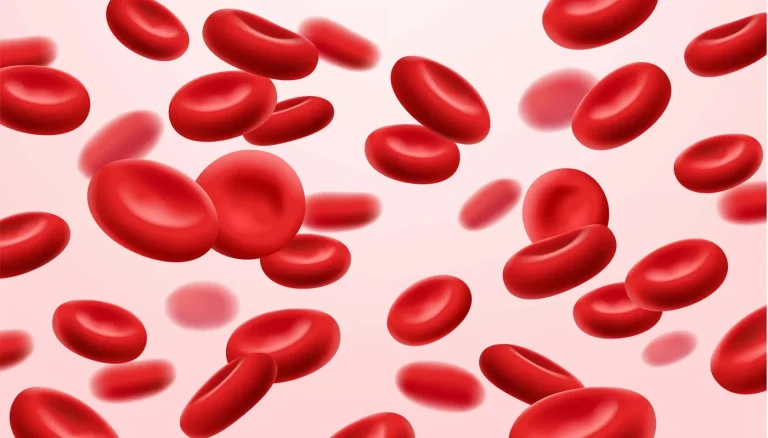
When there are low iron levels in the body iron deficiency anaemia develops. Iron is needed to produce red blood cells which contain a protein called haemoglobin. This protein can carry oxygen from your lungs to all the cells in your body so they can work properly. Haemoglobin is partly made from iron and accounts for about two-thirds of the body’s iron.
The body can’t produce haemoglobin if there is a lack of iron, which leads to a shortage of oxygen in the body’s tissues. Here are some of the common causes:
- Not enough iron-rich foods in the diet
- Blood loss e.g. menstrual cycle
- Problems with iron absorption. This usually occurs through the small intestine, but an intestinal disorder can impact absorption from digested food
- During pregnancy, women may become iron deficient because their iron stores are needed for an increased blood volume and the growing baby
- ? What are the common symptoms of iron deficiency?
If you have mild or moderate iron deficiency, you may not realise it as you may just feel tired and run down. Moderate to severe iron deficiency shows up with more obvious signs and symptoms:
- Fatigue and weakness
- Headaches
- Lightheadedness
- Shortness of breath
- Restless leg syndrome
- Pica (cravings for non-food items like ice, chalk, paint or clay)
- Cold hands and feet
Physical signs can also show low iron, including:
- Brittle nails
- Cracks at the sides of the mouth
- Mouth ulcers
- Hair loss
- Inflammation of the tongue
- Pale skin
- Irregular heartbeat
? Can a lack of iron in your diet lead to frequent headaches?
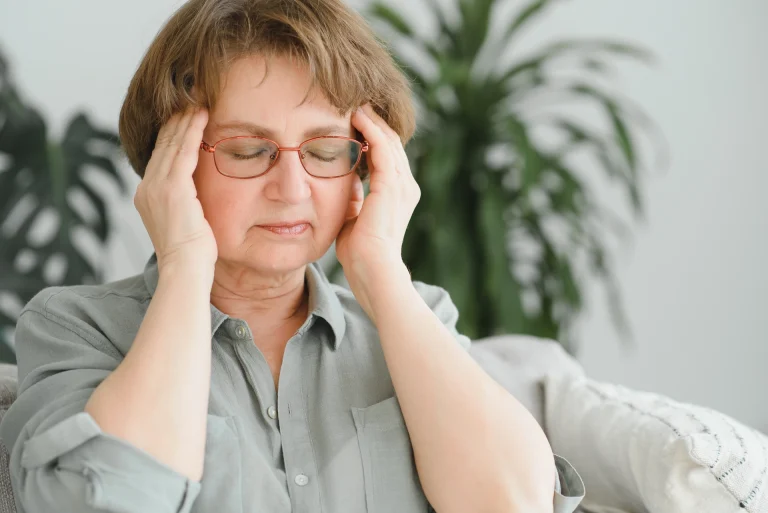
Iron deficiency anaemia has been linked to migraines and headaches. When red blood cell and haemoglobin levels are low, all parts of the body, including the brain, may not get enough oxygen. This may change how the brain functions and bring on headaches. It can also cause a variety of symptoms, including fatigue, dizziness, anxiety, and depression. A case-controlled study found a relationship between iron deficiency anaemia and chronic daily headaches with severe iron deficiency worsening symptoms.
Iron deficiency anaemia has also been associated with an increased risk of migraine, especially in women during menstruation.
? Diagnosis of iron deficiency
Blood tests are performed to identify any medical conditions or deficiencies that may be contributing to headaches:
Here are some of the things that may be done if low levels of iron are suspected for hair loss:
- A complete blood count test (CBC test) that checks the red and white blood cells, platelets and other components
- Examination of red blood cells under a microscope. Red blood cells contain a protein called haemoglobin, which carries oxygen around the body
- Iron levels in the blood will be measured
- Transferrin levels in the blood will be measured. Transferrin is the protein that carries iron
- Ferritin levels in the blood will be measured. Ferritin is a protein that stores iron
? Treatment for iron deficiency
Treatment is determined by how severe the iron deficiency is, below are some typical treatment options:
Iron supplements
Iron tablets can help restore iron levels in your body. They are recommended to be taken on an empty stomach, which helps the body absorb them better. If they upset your stomach, you can take iron supplements with meals. You may need to take the supplements for 3-6 months. Iron supplements may cause side effects of constipation or black stools. In severe cases, patients may be prescribed intravenous (IV) iron supplements.
Change in diet
A simple way to improve iron levels is to increase dietary iron intake. the following foods are a good source of iron to consider:
- Iron-fortified cereals
- Red meat
- Dark green leafy vegetables
- Pulses and beans
- Eggs
- Dried fruit, such as dried apricots, prunes and raisins
Foods rich in Vitamin C are important to include in the diet when iron is low as it helps with iron absorption, these include:
- Citrus foods such as oranges
- Strawberries
- Brussel sprouts
- Broccoli
- Blackcurrants
- Peppers
? Complications of iron deficiency anemia
If left untreated, iron deficiency can lead to other health problems. These include:

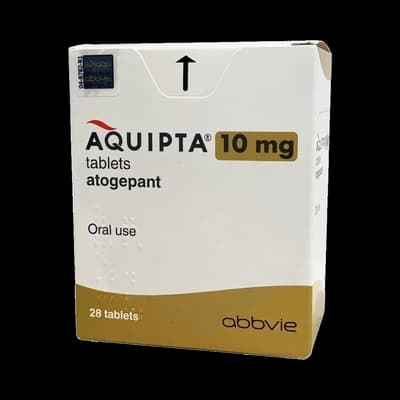
Aquipta
From £364.50
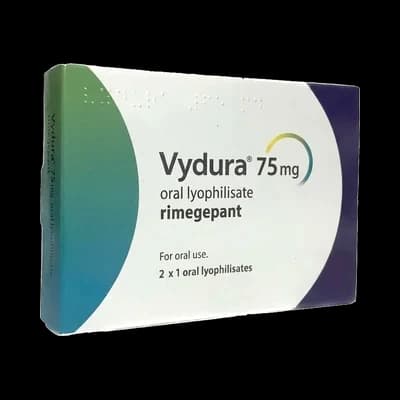
Vydura
From £58.49
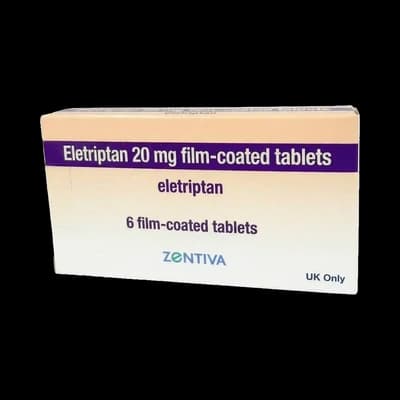
Eletriptan
From £29.99
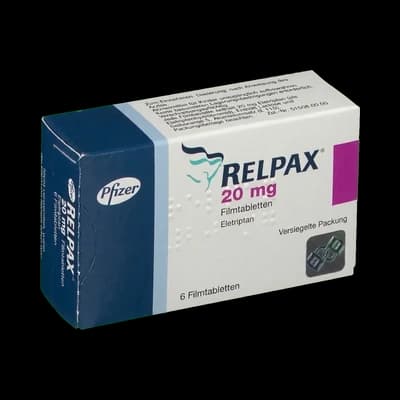
Relpax
From £74.93
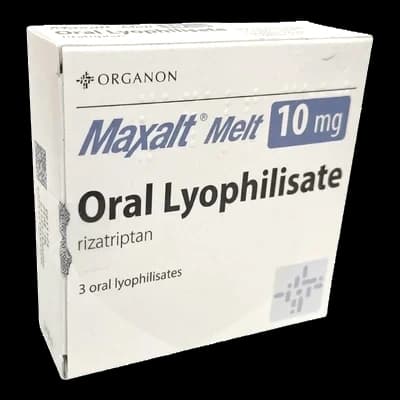
Maxalt Melt
From £34.35
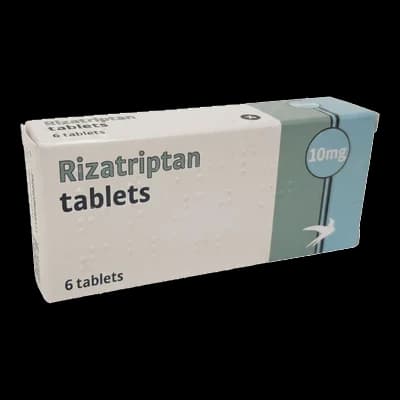
Rizatriptan
From £29.55
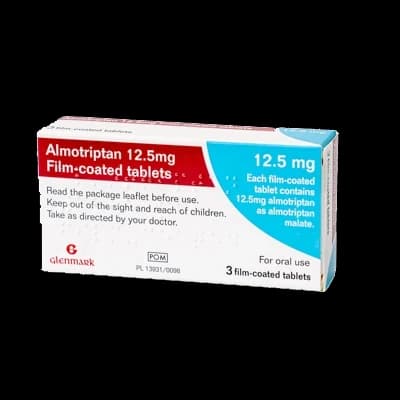
Almotriptan
From £19.05
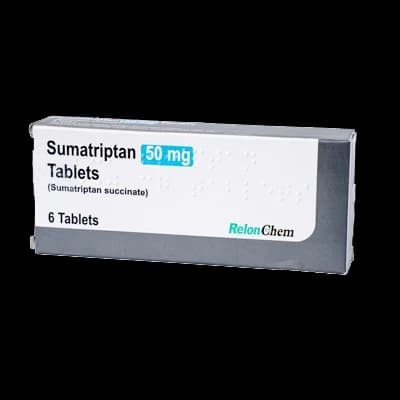
Sumatriptan
From £23.84
Imigran
From £17.99
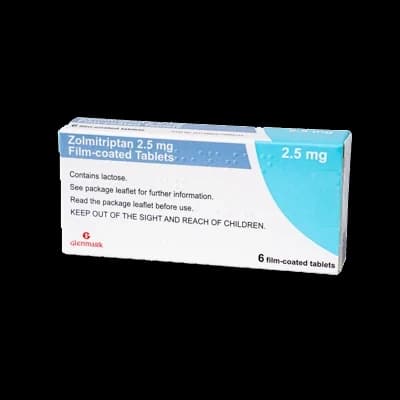
Zolmitriptan
From £37.08Heart palpitations
The heart has to pump more blood to compensate for the low amount of oxygen, resulting in an irregular heartbeat, chest pains or shortness of breath. In severe cases, it can lead to heart failure or an enlarged heart.
Pregnancy complications
In severe cases of iron deficiency, a child may be born prematurely or with a low birth weight. Most pregnant women take iron supplements as part of their prenatal care to prevent this from happening.
Delayed growth
Infants and young children who are severely low in iron may show stunted growth and delayed development. They may also be more prone to infections. Low-iron milk such as cow’s milk given before the age of one can also be a cause of low iron levels in this group.
? Conclusion
While most headaches aren’t dangerous, certain types can be a sign of a serious underlying condition. See a healthcare professional whenever you have a headache that is unusual for you and doesn’t feel like a typical headache, or if you have your first migraine attack.
Sources
- Is There Any Correlation between Migraine Attacks and Iron Deficiency Anemia? A Case-Control Study – PMC
- Iron-Deficiency Anemia: Symptoms, Treatments & Causes
- Anemia of Inflammation or Chronic Disease – NIDDK
- Iron Deficiency Anemia Is Associated with Menstrual Migraine: A Case–Control Study – Pain Medicine – Oxford Academic
About NowPatient's Editorial Process
- Written by clinical authors
- Reviewed every 2 years
- Conflicts of interest declared
NowPatient's medical content is selected by a panel of practising clinicians (pharmacists, doctors and allied healthcare professionals) and researched by an in-house team of writers who all hold scientific or clinical backgrounds. Sponsorship and conflicts of interest are openly declared.
Every article is peer-reviewed by a clinician for clinical accuracy, evidence base and accessibility, including consideration of the particular characteristics set out in the UK Equality Act 2010. Only then is it released for publication against fixed placement guidelines.
All content is cycle reviewed (typically every two years) and updated sooner if evidence, guidelines or a complaint require it. Changes follow a formal change control procedure and are reflected in the "last updated" date on each article. NowPatient is governed by MiHealth; UK pharmacy services are provided by MiHealth Pharmacy (GPhC 1036487).