Obesity is a complex, chronic condition that has become a global health crisis, affecting nearly a quarter of the world’s population. For years, advancements in medical treatments for this disease have been modest. However, in recent years new hormone-based therapies, such as semaglutide and tirzepatide, developed initially to treat type 2 diabetes, have transformed obesity treatment, offering new hope to millions struggling with excess weight.
In this context, the introduction of retatrutide, a triple-hormone receptor agonist, has generated a lot of excitement in the medical community. As a promising candidate as a weight loss drug, retatrutide targets three key hunger-regulating hormones – GIP, GLP-1, and glucagon – to improve weight loss results. But can doctors prescribe this innovative medication? Let’s delve deeper into the current status of retatrutide and explore the potential implications for healthcare providers and patients.
Understanding retatrutide
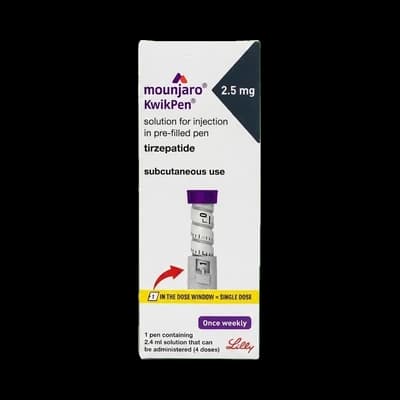
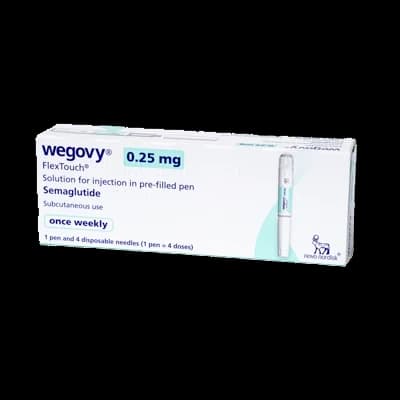
Retatrutide, also known as LY3437943, is a drug that simultaneously activates the receptors for three hormones: glucose-dependent insulinotropic polypeptide (GIP), glucagon-like peptide-1 (GLP-1), and glucagon (GCG). This unique mechanism of action, dubbed the “triple G” approach, sets retatrutide apart from traditional obesity medications such as semaglutide (Ozempic/Wegovy) and tirzepatide (Mounjaro), that typically target only one or two of these key metabolic regulators. This triple action has a profound effect on appetite (increasing satiety) and the management of blood sugar levels.
The development of retatrutide
Retatrutide has been the subject of extensive clinical investigation, with promising results emerging from phase 2 trials. In a study published in the New England Journal of Medicine, researchers evaluated the efficacy, safety, and tolerability of retatrutide at various doses in adults with obesity or overweight.
The trial involved 338 participants measuring the change in body weight from baseline to 24 weeks. The results were impressive, with the highest dose of retatrutide group (12 mg) achieving a mean weight reduction of 17.5% at 24 weeks and a larger reduction of 24.2% at 48 weeks. In comparison, the placebo group experienced a mere 1.6% weight loss at 24 weeks and 2.1% at 48 weeks.
The FDA approval status of retatrutide
Despite the promising clinical data, retatrutide has not yet received approval from the U.S. Food and Drug Administration (FDA) for the treatment of obesity. The compound is currently in the development pipeline, with Eli Lilly, the pharmaceutical company behind its creation, actively pursuing the next stages of the regulatory process. 2026 will be the earliest possible date doctors can prescribe retatrutide assuming that the drug passes later-stage human trials now underway.




















The FDA’s approval process for new medications is a rigorous and comprehensive one, involving multiple phases of clinical trials to evaluate safety, efficacy, and overall risk-benefit profiles. For retatrutide to be approved for clinical use, Eli Lilly must demonstrate convincing evidence of its ability to safely and effectively manage obesity in a larger, more diverse patient population.
Healthcare professionals and patients
For healthcare providers, the availability of retatrutide could expand their prescribing options allowing them to tailor obesity management strategies to better meet the unique needs and characteristics of their patients. The ability to target multiple metabolic pathways simultaneously may lead to more substantial and sustained weight loss, potentially reducing the risk of obesity-related comorbidities.
From the patient’s perspective, the prospect of retatrutide’s approval is particularly exciting. The impressive weight loss results observed in clinical trials suggest that this medication could offer a more promising alternative to existing obesity treatments, potentially helping individuals achieve their weight management goals and improve their overall health and quality of life.
The regulatory landscape
As Eli Lilly continues to navigate the regulatory landscape, healthcare providers and patients alike await the FDA’s decision on the approval of retatrutide. The agency’s review process will consider the totality of the available evidence, weighing the potential benefits against any identified risks or safety concerns.

It is worth noting that the FDA has set specific guidelines for the evaluation of weight loss medications, including the requirement of a minimum 5% weight loss level for efficacy. The remarkable weight loss observed with retatrutide in clinical trials may prompt a review of these guidelines.
Potential challenges and considerations
While the clinical data on retatrutide are undoubtedly promising, several factors may influence the FDA’s decision-making process and the drug’s eventual adoption in clinical practice.
One key consideration is the safety profile of the medication. Although the phase 2 trial reported mostly mild-to-moderate gastrointestinal side effects, the potential for more serious adverse events, particularly with long-term use, will be closely looked at. Additionally, the observed increases in heart rate associated with retatrutide treatment will require careful monitoring.
Another important aspect is the cost and accessibility of the medication. Obesity treatments, especially novel, highly effective ones, can often come with a significant price tag, potentially limiting their availability and affordability for patients. Healthcare providers and policymakers will need to carefully consider the economic implications and explore strategies to ensure equitable access to this potential treatment option.
Research and future directions
As the regulatory review of retatrutide continues, the medical community remains engaged in further research to fully understand the drug’s potential and its place in the evolving obesity treatment landscape.
Eli Lilly is currently conducting a phase 3 clinical trial (NCT05882045) to understand the long-term efficacy and safety of retatrutide in a larger, more diverse patient population. The results of this important study will be crucial in determining the drug’s path to potential FDA approval.
Conclusion
Retatrutide, a promising triple-hormone receptor agonist, has generated significant buzz within the medical community. The impressive weight loss results observed in clinical trials, alongside improvements in cardiometabolic risk factors (cardiovascular disease, diabetes, high cholesterol, high blood pressure) suggest that this new medication could potentially transform the way obesity is managed.
As the research and development of retatrutide continue, the medical community remains cautiously optimistic about the future of this drug. The successful approval and integration of retatrutide into clinical practice could pave the way for a new era in the management of obesity , offering hope to millions of individuals struggling with the burden of excess weight.
Sources
About NowPatient's Editorial Process
- Written by clinical authors
- Reviewed every 2 years
- Conflicts of interest declared
NowPatient's medical content is selected by a panel of practising clinicians (pharmacists, doctors and allied healthcare professionals) and researched by an in-house team of writers who all hold scientific or clinical backgrounds. Sponsorship and conflicts of interest are openly declared.
Every article is peer-reviewed by a clinician for clinical accuracy, evidence base and accessibility, including consideration of the particular characteristics set out in the UK Equality Act 2010. Only then is it released for publication against fixed placement guidelines.
All content is cycle reviewed (typically every two years) and updated sooner if evidence, guidelines or a complaint require it. Changes follow a formal change control procedure and are reflected in the "last updated" date on each article. NowPatient is governed by MiHealth; UK pharmacy services are provided by MiHealth Pharmacy (GPhC 1036487).