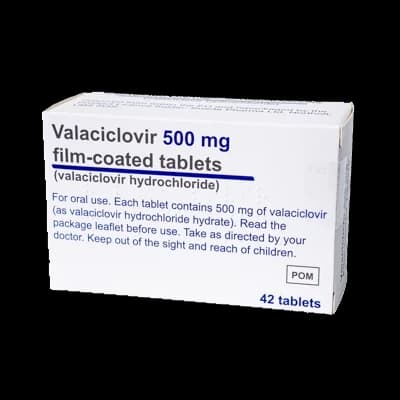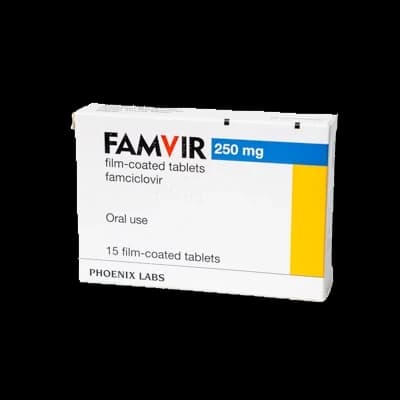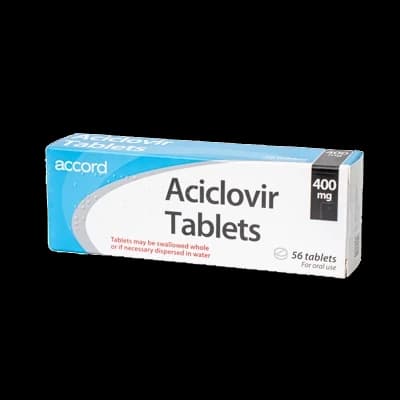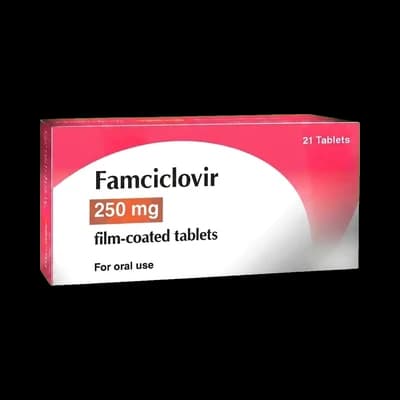
Valtrex
- FREE secure consultation service
- Fast and effective treatment
Book a quick face-to-face video consultation with a certified prescribing pharmacist, nurse, or doctor. If approved, your Shingles treatment will be prescribed* and delivered straight to your door with free next-day delivery†. No hidden fees. No delays. Just expert care.
* Includes Free Private Prescription & Consultation.
† Applies to UK only.
Start Your Treatment Today
Safe Prescribing
No need to visit a doctor or wait for an appointment. With our virtual consultation service, you can see a clinician online from the comfort of your home. Start your free assessment and get a treatment recommendation tailored to you. You only pay if medication is prescribed.
Shingles (herpes zoster), is a viral infection caused by the varicella-zoster virus (VZV), the same virus that causes chickenpox. After a person has had chickenpox, the virus can remain dormant in the body for many years. However, the virus can become reactivated later in life, leading to Shingles. Here, we will take a closer look at the causes, symptoms, treatment, and prevention of Shingles.
Shingles is caused by the reactivation of the Varicella-Zoster virus in the body. It mainly affects adults over the age of 50, but children can also be affected. The virus can remain inactive in the body in nerve tissues near the spinal cord and brain after a person has had chickenpox, but certain factors such as stress, or a weakened immune system can trigger the virus to reactivate, causing Shingles. The exact reason for reactivation is not known, but it is more common in older adults and those with a weakened immune system.
Shingles is more common in adults over the age of 50. Individuals with weakened immune systems, such as those with HIV or AIDS are also at a higher risk of developing Shingles. Those who have not been vaccinated against chickenpox and have never had chickenpox are also more likely to develop Shingles.
Symptoms of Shingles include:
Some individuals may experience symptoms without developing a skin rash.
Common complications include:
Diagnosis is typically made by a physical examination and medical history review. In some cases of Shingles a small sample of fluid from the blisters may be tested to confirm the Varicella-Zoster virus is present, to help differentiate Shingles from any other skin conditions.
Shingles is not curable, but treatments are available to alleviate the symptoms and promote faster healing aswell as the prevention of complications.
Two vaccines are available:
Immunization is recommended for:
The vaccine is generally safe, but pregnant women or breastfeeding women, those with severe allergies to vaccines, or those with active Shingles, should speak to their healthcare provider before getting vaccinated. If the chickenpox vaccine is given before a child gets chickenpox, the risk of Shingles can be reduced.
Serious side effects from the Shingles vaccine are extremely rare. However, potential allergic reactions include:
Seek immediate medical attention if you have any of these symptoms after receiving the vaccine.
Zostavax is a live vaccine and may not be suitable for patients with weak immune systems or certain medical conditions. Speak to your healthcare provider about your medical history before receiving the vaccine.
To reduce the risk of Shingles:
Yes, but very rarely. People who have had chickenpox will be immune for the rest of their lives, however, the virus remains dormant in nerve tissue and may be reactivated later in life, due to certain risk factors.
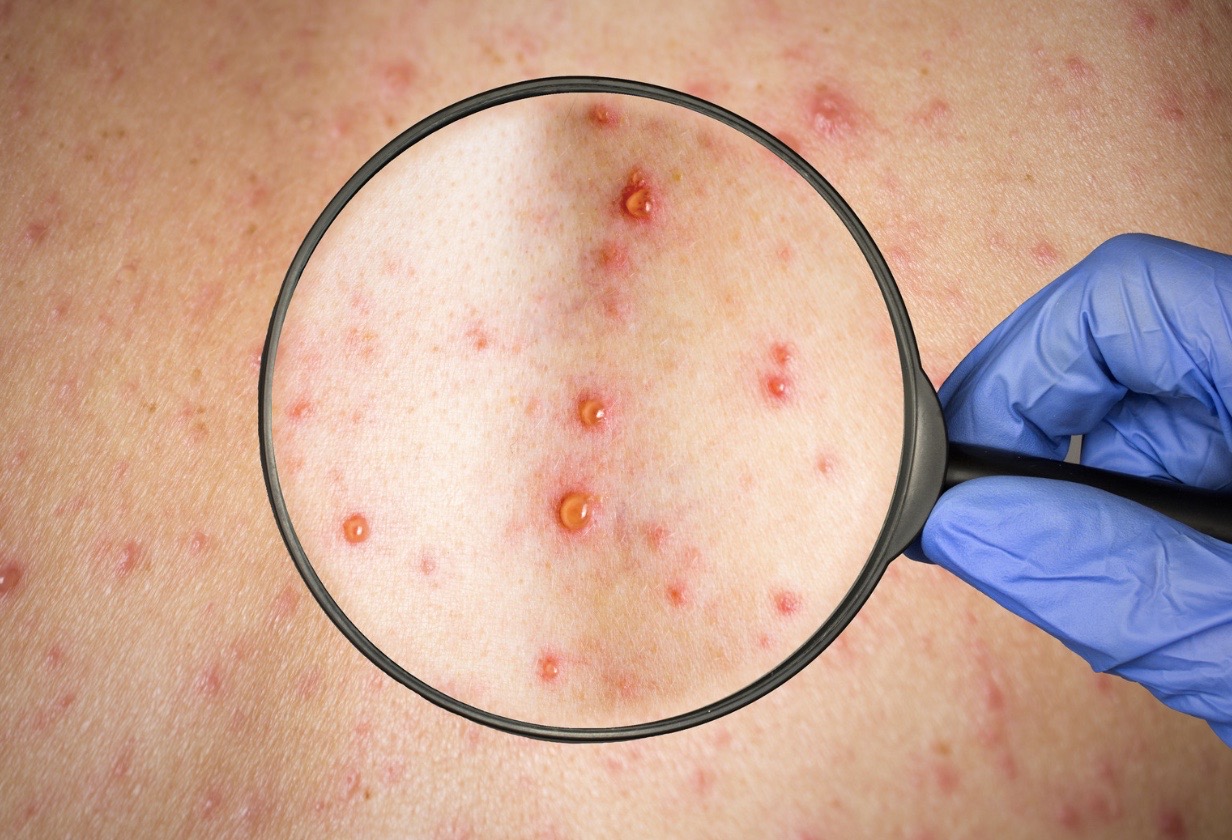
Shingles look like a stripe of blisters, wrapped around one side of the body, either on the right or left side of your torso.
A person with Shingles may pass the virus to anyone who is not immune through direct contact with open sores of the Shingles rash. Cover the rash if you have Shingles, do not touch or scratch it, and wash your hands regularly to prevent its spread.
Early treatment with antiviral medications is recommended. Pain relief medication such as paracetamol, wet compresses, calamine lotion, and warm oatmeal baths are also recommended.
Shingles are caused by the Varicella-Zoster virus, the same virus that causes chickenpox.
Shingles are not caused by stress, but your risk of developing Shingles is increased by stress. The virus may become reactivated if you are severely stressed.
Shingles do not go away. It remains dormant in your body after you have had chickenpox. Shingles symptoms do however normally improve within 2 to 4 weeks.
Shingles is a viral infection that can cause significant pain and discomfort. Vaccination is strongly recommended for people aged 50 and over, to reduce the risk of developing Shingles and its complications. Staying informed, taking preventive measures and seeking early medical attention can reduce your risk of developing Shingles and its associated complications.
Consultations, prescriptions, medication delivery, health monitoring – all in one place.

We are a broad skilled and passionate group of clinicians with experience of operating in regulated health systems in the United Kingdom & United States. Providing excellent care and advice is at the heart of everything we do.