Online Rosacea Treatments & Prescriptions

Book a quick face-to-face video consultation with a certified prescribing pharmacist, nurse, or doctor. If approved, your Rosacea treatment will be prescribed* and delivered straight to your door with free next-day delivery†. No hidden fees. No delays. Just expert care.

* Includes Free Private Prescription & Consultation.

† Applies to UK only.

Start Your Treatment Today

Available Treatments for Rosacea

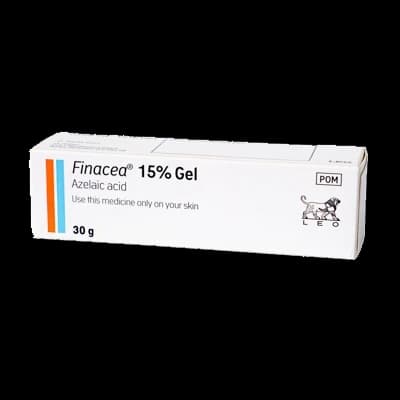
Finacea packaging which is available to order online from NowPatient with free next day delivery

Finacea

  • FREE secure consultation service
  • Fast and effective treatment
From £19.89
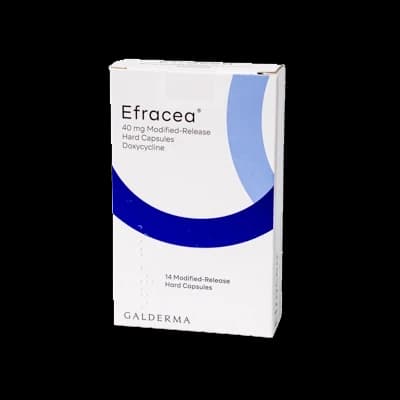
Efracea packaging which is available to order online from NowPatient with free next day delivery

Efracea

  • FREE secure consultation service
  • Fast and effective treatment
From £24.89

Safe Prescribing

Get Started With the Right Treatment for You

No need to visit a doctor or wait for an appointment. With our virtual consultation service, you can see a clinician online from the comfort of your home. Start your free assessment and get a treatment recommendation tailored to you. You only pay if medication is prescribed.

Key facts about Rosacea

Rosacea is a skin condition affecting the face. Symptoms include facial redness, flushing, red bumps and pimples, mainly across the nose, cheeks and chin. There is no cure as such for Rosacea, but a combination of medication and lifestyle changes can help to manage the symptoms. Here, we will take a closer look at the causes, symptoms, and treatment options available for Rosacea.

What is Rosacea?

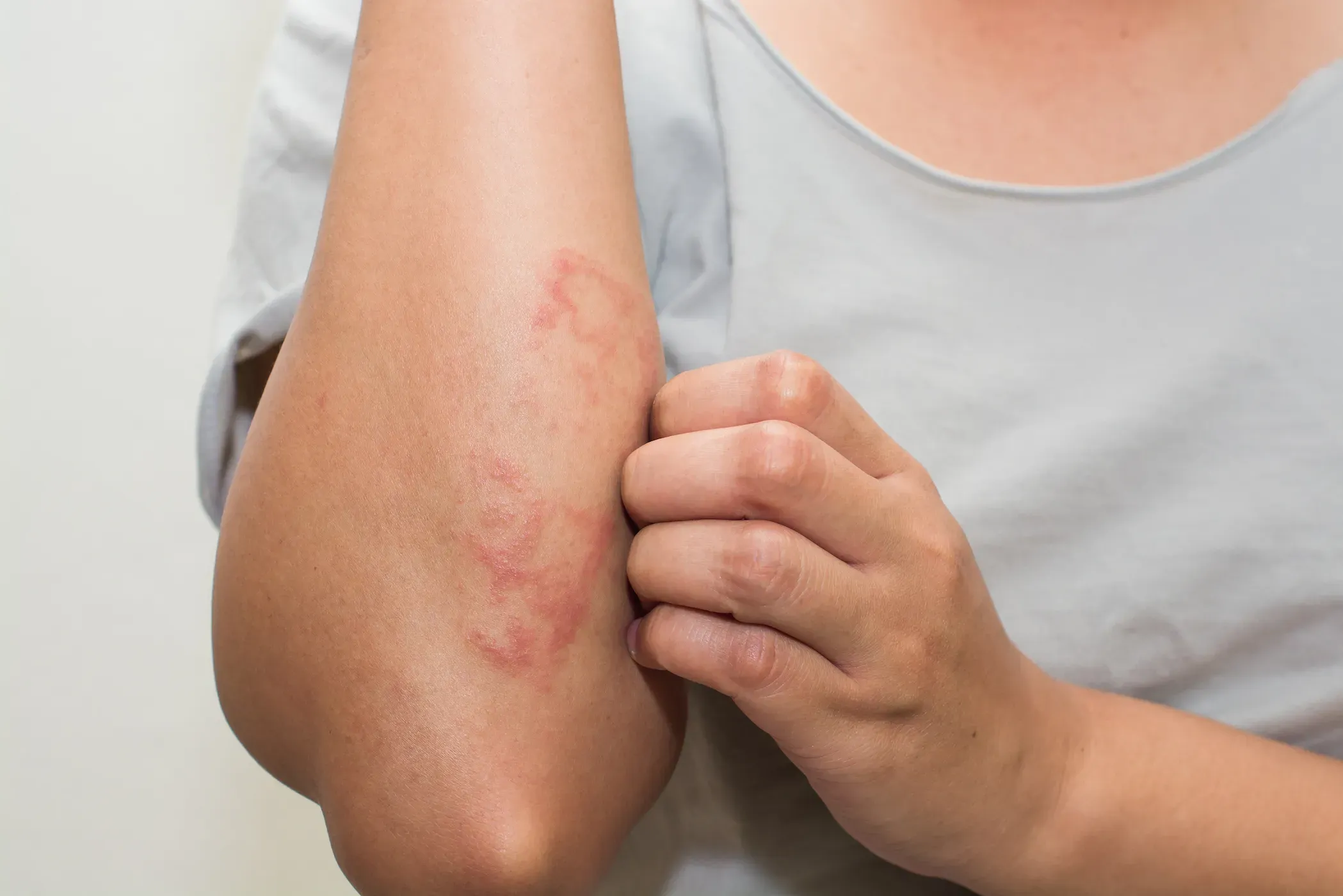
Rosacea (acne Rosacea) is a condition that affects the face, across the cheeks, nose, forehead and chin. Symptoms include flushing and redness, as well as small, pus-filled lumps. In more severe cases, the skin may become thicker, causing the nose to enlarge. Many people with Rosacea will also suffer from eye irritation and dryness (ocular Rosacea).

What are the causes of Rosacea?

The exact cause of Rosacea is not known but is thought to be due to a combination of genetics, environmental, and immune system factors.

Abnormalities of blood vessels in the face, as well as microscopic mites that live in the skin, may also be factors. Sun exposure, hot or cold weather, certain foods or drinks and stress, can also make symptoms worse.

  • People with a family history of Rosacea may be more likely to develop the condition
  • An overactive immune system may result in the dilation of blood vessels (telangiectasia) causing redness and bumps
  • Environmental triggers such as sunlight, very hot or cold temperatures, spicy foods, alcohol, stress, and skin care products can affect Rosacea symptoms
  • An overabundance of microscopic mites (Demodex folliculorum) on facial skin may contribute to the development of Rosacea

Who is at Risk for Rosacea?

Rosacea affects individuals of any age, gender, or ethnicity, but certain factors may increase the risk:

  • People with lighter skin tones are more at risk of developing Rosacea
  • Rosacea can occur at any age but is more common after the age of 30
  • People with a family history of Rosacea may be more likely to develop the condition
  • Smoking can cause inflammation and dilation of blood vessels, increasing the risk of Rosacea

What are the Symptoms of Rosacea?

Symptoms of Rosacea will vary from person to person, but include:

  • One of the main signs of Rosacea is facial redness and flushing
  • Small blood vessels, visible on the nose and cheeks. These may appear as thin red lines on the skin
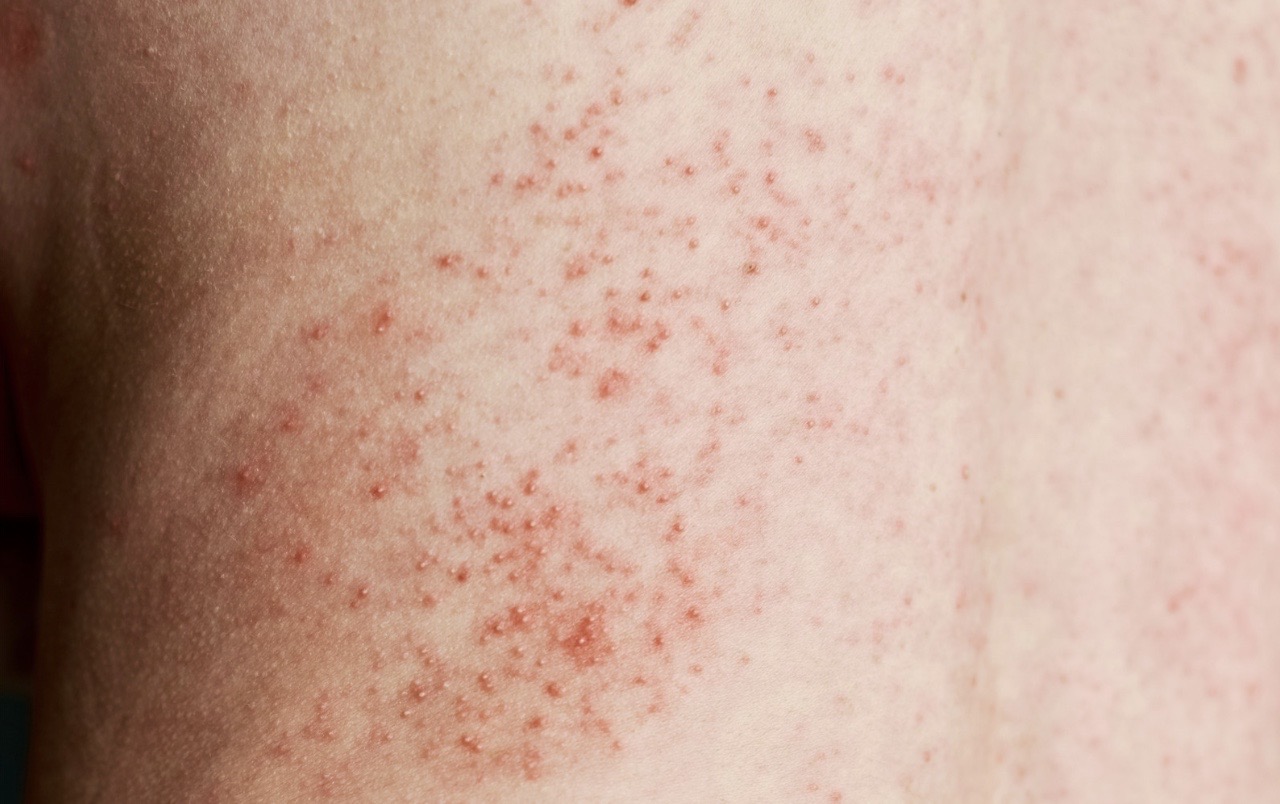
  • Bumps and pimples that may contain pus. These can also appear on the chest and back
  • Burning or stinging sensation that may feel tender and hot to the touch
  • Eye problems, such as eye dryness, irritation, swollen eyelids, styes and keratitis
  • Thickened skin causing an enlarged or bulbous nose (rhinophyma). This is more common in men

Diagnosing Rosacea

Diagnosis of Rosacea will require a discussion about your symptoms, triggers, family history and an examination of your skin by your healthcare provider or dermatologist. Additional tests may be necessary in some cases to rule out other conditions, such as dermatitis, which has similar symptoms.

Treatment options for Rosacea

Treatment options will depend on the severity and the specific symptoms and will involve a combination of medication and self-help measures. These include:

  • Avoiding excessive sun exposure, and protecting the skin with sunscreen and protective clothing to prevent sunburn
  • Maintaining a gentle skincare routine
  • Avoiding common triggers such as spicy foods, hot drinks and extreme temperatures

Medications include:

  • Topical creams and gels containing azelaic acid, ivermectin, metronidazole, or brimonidine
  • Oral medications, such as oral antibiotics containing tetracycline, doxycycline such as Efracea, or erythromycin, or isotretinoin may be used for more severe Rosacea. A combination of oral and topical medications may be used to control the symptoms of Rosacea

Laser treatment or light therapy may also be used to reduce visible blood vessels (erythematotelangiectatic Rosacea) and eye drops or ointments may be used to reduce eye symptoms.

Living with Rosacea

Rosacea may lead to issues with an individual’s feelings of confidence and self-esteem. There are, however, support groups and online communities available to help support those people. Healthcare professionals can also help support people and play a valuable part in providing guidance.

  • Understanding the causes, symptoms and triggers of Rosacea can help individuals manage their symptoms
  • A gentle skincare routine using non-irritating cleansers and moisturizers for sensitive skin can help minimize flare-ups
  • Sunscreen with a high SPF and wearing protective clothing can also help prevent flare-ups
  • Stress-reducing activities, such as meditation or yoga can help reduce stress levels and symptoms of Rosacea

Remember, Rosacea will be unique to everyone, and treatment plans may vary.

Conclusion

Rosacea is a common skin condition, that can affect anyone at any age. It can cause issues with an individual’s confidence and self-esteem, but by understanding the causes, symptoms and treatment options available for Rosacea, this condition can be managed effectively through a combination of medication and lifestyle changes.

Sources

Related Articles

Your health shouldn’t wait.

Consultations, prescriptions, medication delivery, health monitoring – all in one place.

What customers love about NowPatient

Wow! Excellent customer service. I submitted an email query, had a call…

Alison Hurst

I do not leave reviews, due to time and a rare condition I have. I…

Sherry M

Great experience getting the med. Clinician was very thorough.

Barbara Hill

Cannot speak highly enough of the service and assistance I have…

CJH

Very good experience - the clinician asked intelligent questions about…

Phil Daoust

Really excellent. Very thorough and professional pharmacist who guided…

Colin Glass

Excellent4.9 out of 5Trustpilot

Meet our medical team

We are a broad skilled and passionate group of clinicians with experience of operating in regulated health systems in the United Kingdom & United States. Providing excellent care and advice is at the heart of everything we do.