Clotrimazole
- FREE secure consultation service
- Fast and effective treatment
Book a quick face-to-face video consultation with a certified prescribing pharmacist, nurse, or doctor. If approved, your Jock Itch treatment will be prescribed* and delivered straight to your door with free next-day delivery†. No hidden fees. No delays. Just expert care.
* Includes Free Private Prescription & Consultation.
† Applies to UK only.
Start Your Treatment Today
Safe Prescribing
No need to visit a doctor or wait for an appointment. With our virtual consultation service, you can see a clinician online from the comfort of your home. Start your free assessment and get a treatment recommendation tailored to you. You only pay if medication is prescribed.
Jock Itch (tinea cruris), is a fungal skin infection that affects moist areas on your body such as the groin. Symptoms include itchiness and a red skin rash. Here, we will take a closer look at what Jock Itch is, its causes, symptoms, and treatment.
Jock Itch is a type of ringworm and is caused by fungus known as dermatophytes. This fungi likes moist warm areas such as the groin area to breed, causing a tinea infection. Certain risk factors increase the chance of developing Jock Itch. These include:
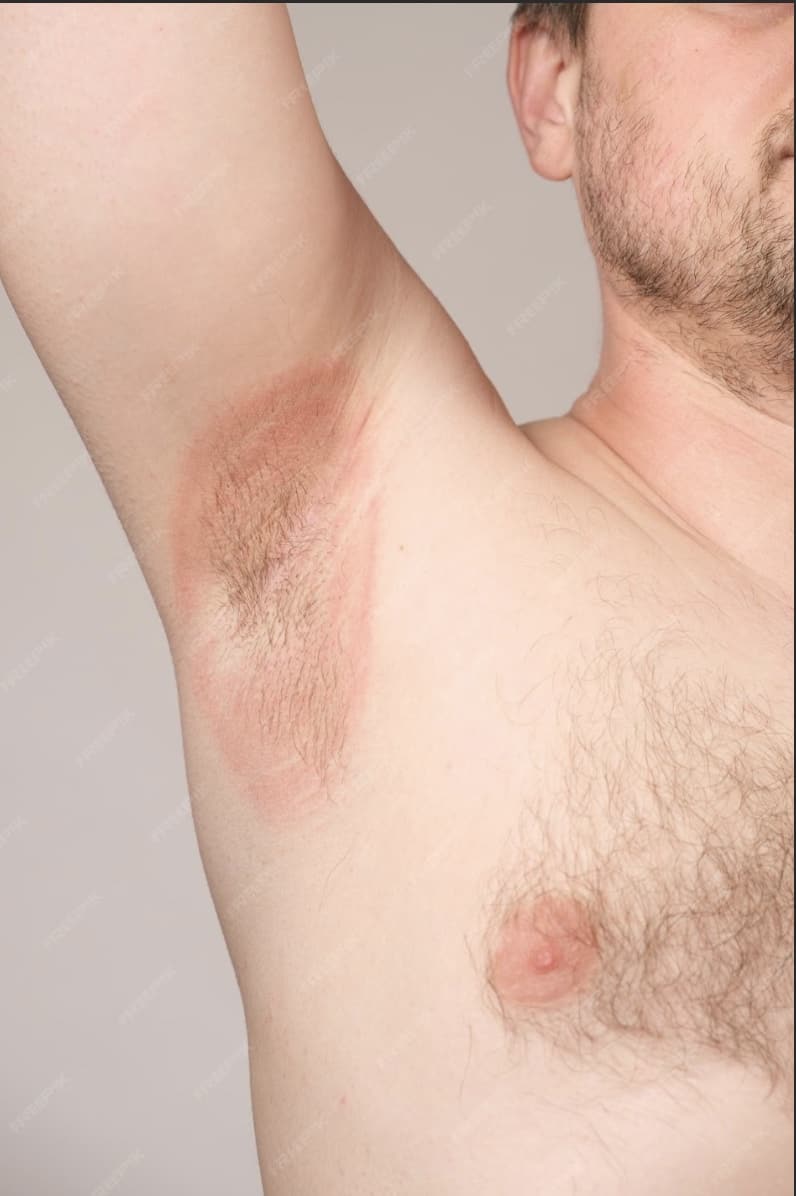
The main symptom of Jock Itch is an itchiness in the groin area, with a red, scaly rash, which may spread to the upper thighs, buttocks and anus. Jock Itch does not usually occur on the scrotum area. In more severe cases of Jock Itch, blisters may develop. Typical symptoms include:
Diagnosis is usually based on what the rash looks like and your medical history, or a dermatologist may take skin scrapings to confirm the specific type of fungus present to differentiate from other skin conditions such as psoriasis.
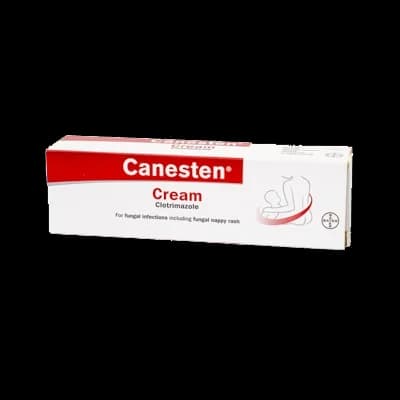
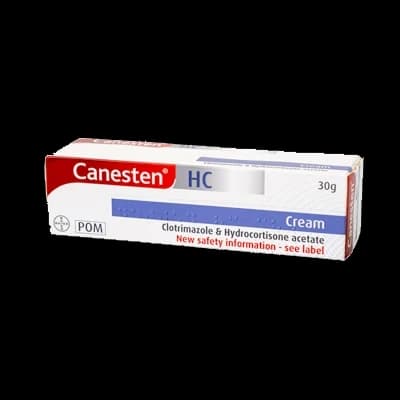
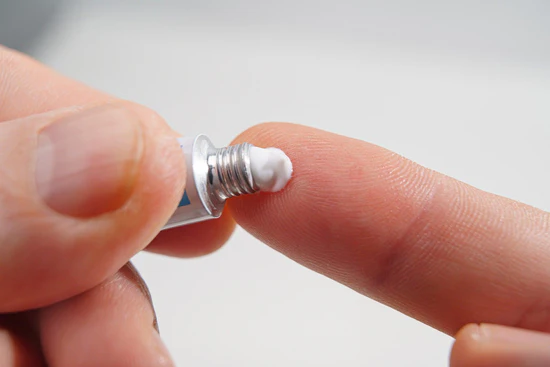
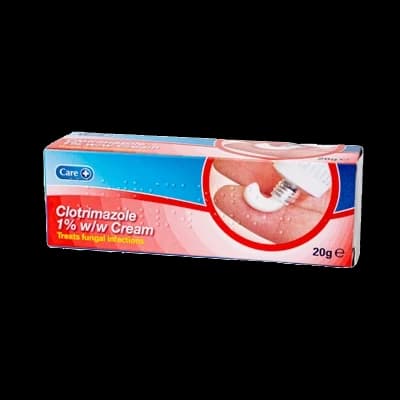
Over-the-counter treatments such as creams, ointments, powders, and sprays containing clotrimazole such as Canestan, miconazole, tolnaftate, or terbinafine can be applied to the affected area to effectively treat mild to moderate Jock Itch.
In more severe cases, stronger antifungal medications or oral antifungal pills may be prescribed by your doctor. These may be topical antifungal treatments or oral medications containing fluconazole or itraconazole. Follow the medical advice given to you and complete the full course of treatment to clear the infection completely.
Maintaining a healthy weight, good hygiene and avoiding excessive sweating, can also help to prevent Jock Itch.
Keep the affected area clean and dry to prevent further irritation. Also, after showering, dry the groin area thoroughly with a towel, paying particular attention to skin folds and creases. Loose-fitting cotton underwear can help reduce friction as well as giving better airflow. Avoid scratching the infected area, as this can increase the risk of spreading the infection and make your condition worse.
Self-care can reduce symptoms and prevent Jock Itch from recurring. Tips to consider include:
Speak to your healthcare provider if your symptoms do not improve or become worse after treatment, if the rash spreads, or if you develop a fever or other infections.
Jock Itch affects the groin area, while athlete’s foot (tinea pedis) affects the feet. Both conditions have similar symptoms and can spread to other parts of your body if not treated. Speak to your healthcare provider for the best course of action when it comes to treating each condition.
Yes, it is. Jock Itch can be spread through skin-to-skin contact with an infected person or by sharing towels or clothing. Practice good skin hygiene and do not share personal items to reduce the risk of spreading the infection.
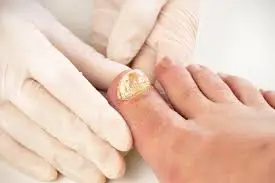
Yes, it can. If not treated it can spread to other parts of your body (tinea corporis) or cause nail infections. Do not scratch the affected area and maintain good personal hygiene to prevent if from spreading.
Maintaining good personal hygiene and keeping the groin area clean and dry will help reduce the risk of contracting Jock Itch. Regular washing and drying of the area, wearing clean loose fitting clothing, and not sharing personal items will all help prevent the risk of infection.
The fastest way to treat Jock Itch is to use an antifungal cream, ointment, powder or spray. You may be prescribed an antifungal tablet if you have a more severe infection. Also, keep the area clean, dry, and cool to help your recovery.
Jock Itch is not classed as a STD (sexually transmitted disease), even though it is spread by skin-to-skin contact.
Yes. Women can get Jock Itch, but it is not common. Jock Itch will affect skin around the groin area, inner thighs and crack of the buttocks in women. It rarely affects the genital areas.
Good hygiene, keeping the affected area clean and dry, and avoiding tight clothing can help prevent Jock Itch. If your symptoms persist, it’s important to seek medical attention for a diagnosis and treatment. By understanding the causes, symptoms, and treatment options, you can, with proper care and treatment, manage and reduce its impact on your daily life.
Consultations, prescriptions, medication delivery, health monitoring – all in one place.

We are a broad skilled and passionate group of clinicians with experience of operating in regulated health systems in the United Kingdom & United States. Providing excellent care and advice is at the heart of everything we do.