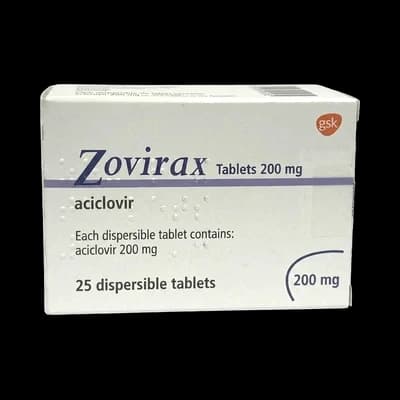
Zovirax
- FREE secure consultation service
- Fast and effective treatment
Book a quick face-to-face video consultation with a certified prescribing pharmacist, nurse, or doctor. If approved, your Herpes Simplex Virus treatment will be prescribed* and delivered straight to your door with free next-day delivery†. No hidden fees. No delays. Just expert care.
* Includes Free Private Prescription & Consultation.
† Applies to UK only.
Start Your Treatment Today
Safe Prescribing
No need to visit a doctor or wait for an appointment. With our virtual consultation service, you can see a clinician online from the comfort of your home. Start your free assessment and get a treatment recommendation tailored to you. You only pay if medication is prescribed.
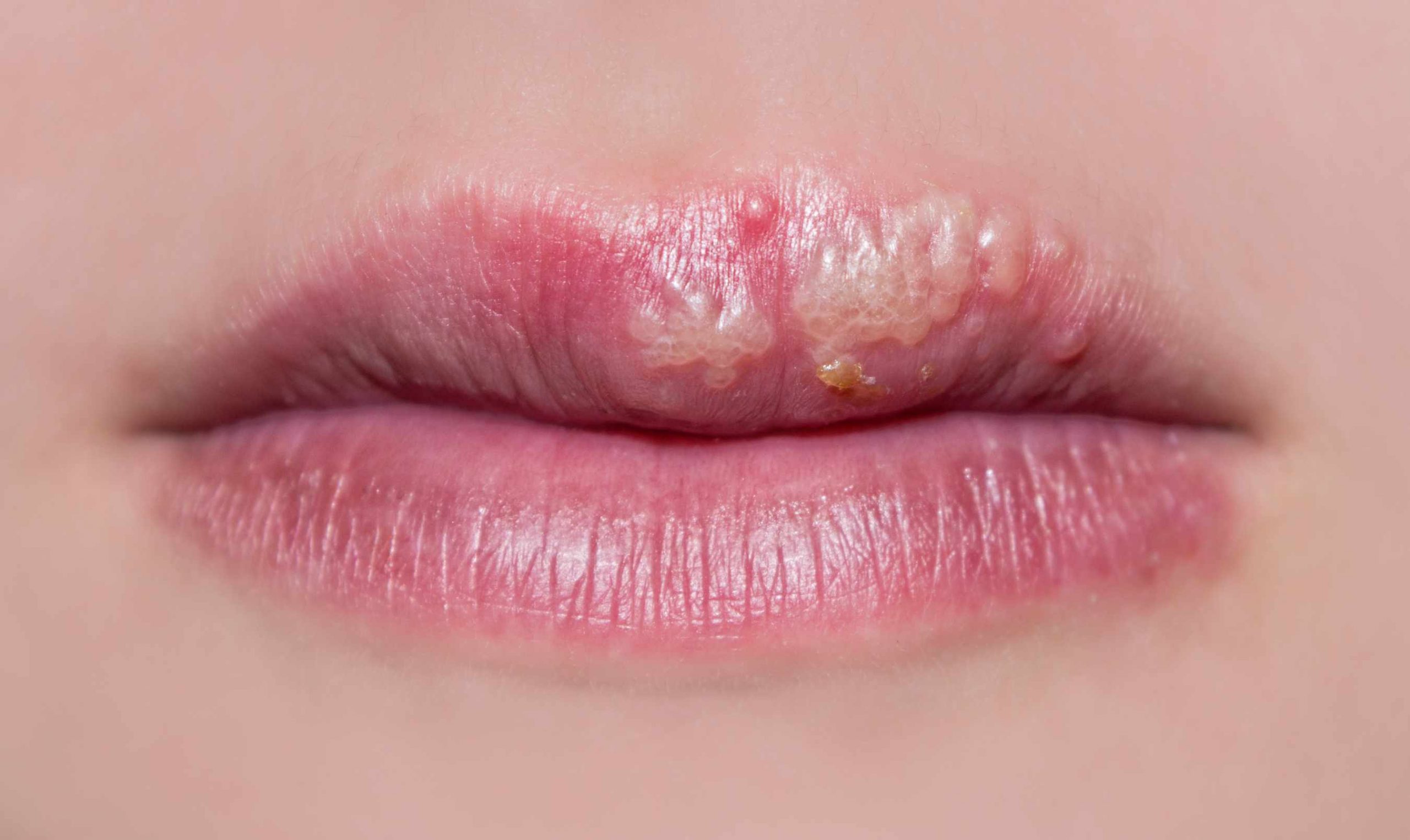
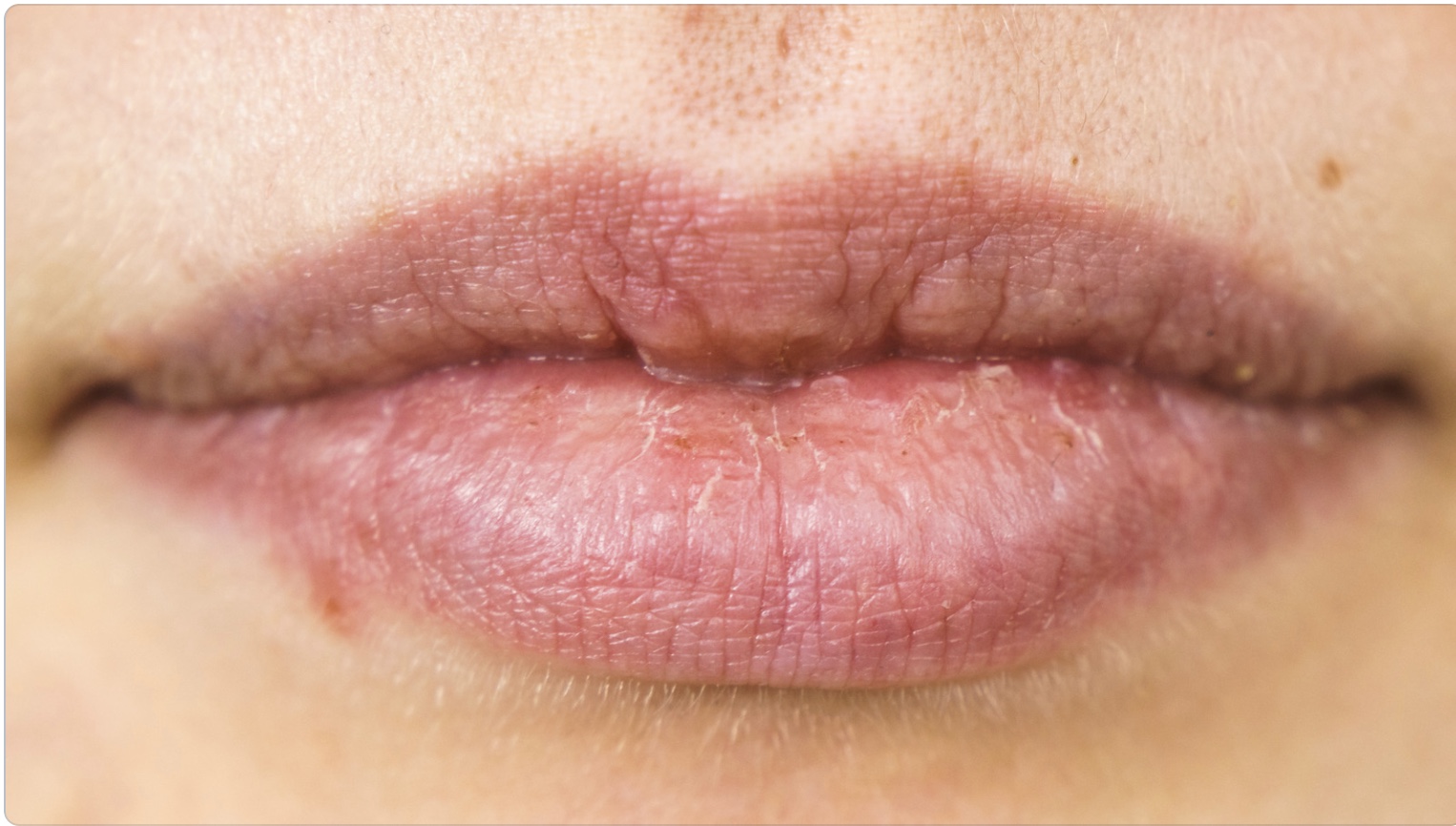
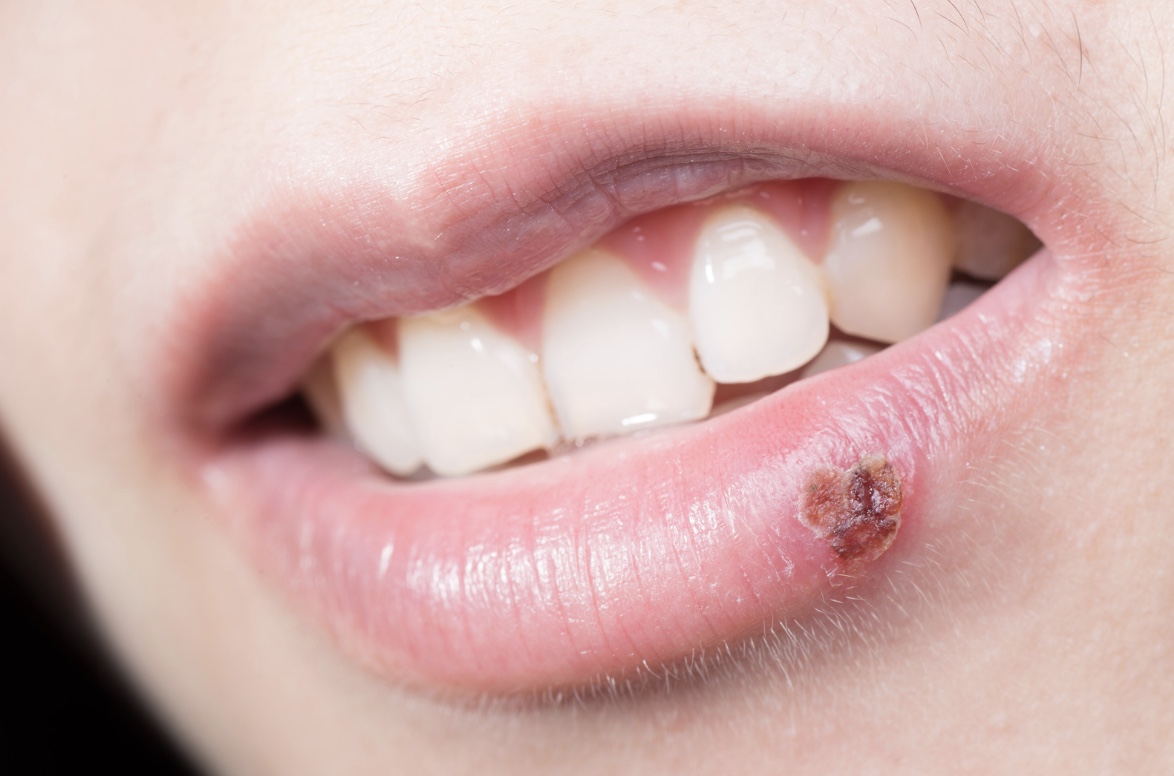
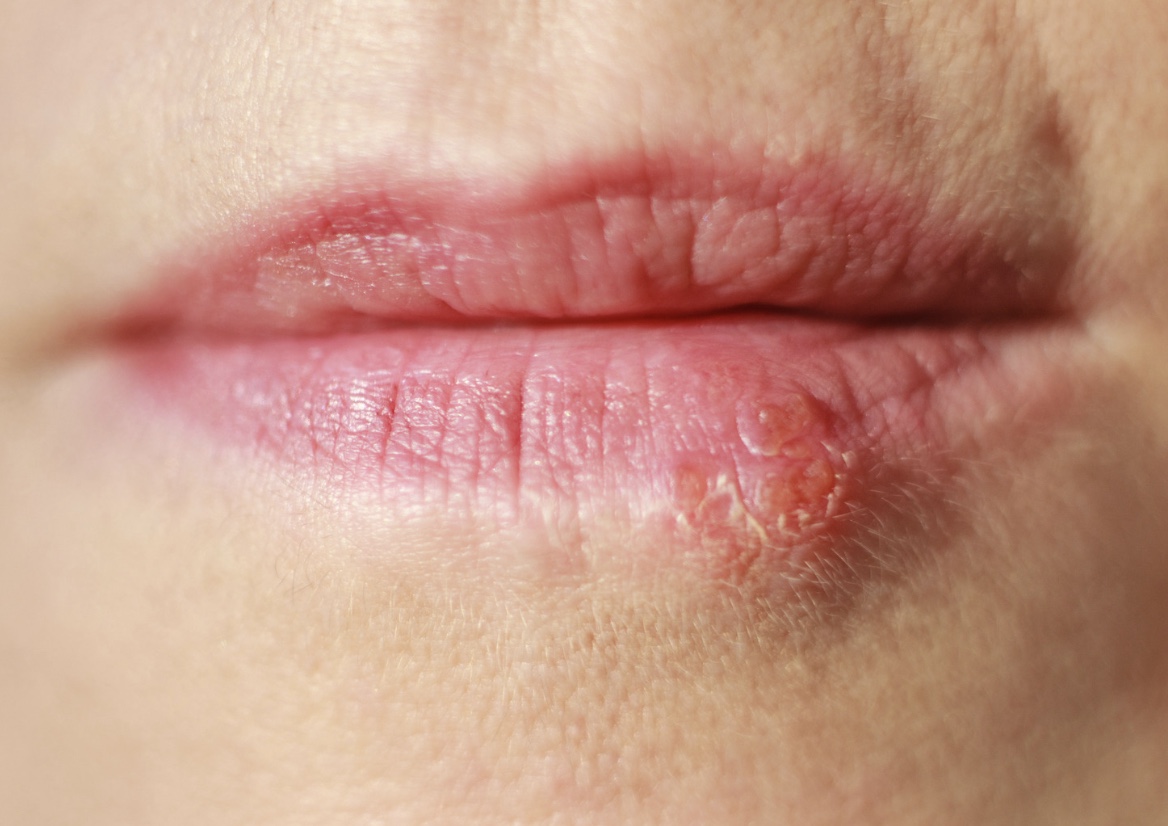
Herpes Simplex Virus (HSV) is caused by HSV-1, which causes oral herpes infections, such as cold sores and fever blisters, and HSV-2 which causes genital herpes. Both HSV-1 infections and HSV-2 infections can cause oral or genital areas.
Here, we will take a closer look at the causes, symptoms, and how to prevent the transmission of the Herpes Simplex Virus infection.
Genital herpes is an STI (sexually transmitted infection) caused by the Herpes Simplex Virus. The two types of Herpes Simplex Virus are Herpes Simplex Virus type 1 (HSV-1) and Herpes Simplex Virus type 2 (HSV-2).
Genital HSV is transmitted through physical contact from one person to another during sex. HSV-2 is spread through vaginal, anal, or oral sex with an infected person. However, HSV-1 can also be contracted through oral sex, leading to a genital herpes infection.
Genital herpes is highly contagious and can be contracted even when the infected person does not show signs or symptoms. The virus will enter your body through broken skin or through mucous membranes in the mouth or genital area. The risk of contracting the infection is still highest however during a herpes outbreak, when genital sores and lesions are visible.
Transmission of the virus occurs when you come into direct contact with herpes sores, saliva, or infected genital fluids. Skin-to-skin contact with the active infection can also lead to transmission.
To prevent the spread of genital herpes:
Talk to your sexual partner(s), open communication is crucial when it comes to your sexual health. Regular screening is also essential to help detect an infection and prevent its spread.
Symptoms will vary from person to person. Some people may have mild symptoms or no symptoms at all, making it difficult to diagnose. Symptoms tend to be more severe during the first outbreak and may include:
Symptoms tend to appear within a few days to a couple of weeks after first exposure, with further outbreaks being milder and of shorter duration when compared to the first episode. Some people may experience genital pain, tingling, or shooting pain in the legs, hips, or buttocks a few days or hours before an outbreak occurs. Speak to a healthcare provider if you think you have genital herpes or any other sexually transmitted infection.
The diagnosis of Herpes Simplex Virus is typically made through a physical examination and laboratory tests. Healthcare providers may perform viral culture, polymerase chain reaction (PCR), or blood tests to detect the presence of the virus or antibodies against it.
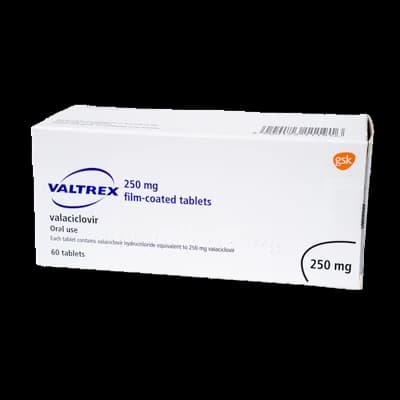
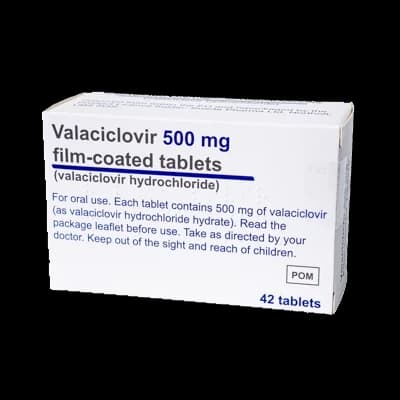
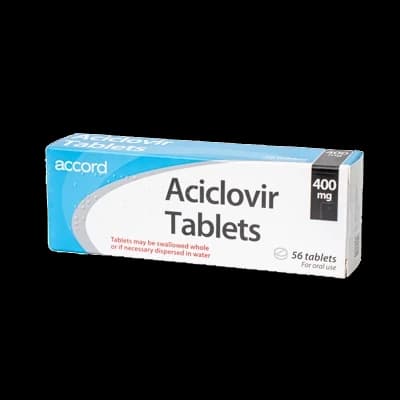
While there is no cure for genital herpes, various treatment options can help manage symptoms and reduce the frequency and severity of outbreaks, and lower the risk of transmission. Antiviral medicines, such as acyclovir, famciclovir, and valacyclovir, are commonly prescribed to individuals to alleviate symptoms and shorten the duration of recurrent outbreaks or severe symptoms.
Self-care can also help relieve the discomfort and pain during outbreaks.
You can reduce the risk of transmission using the tips below:
With proper management, you can control your symptoms allowing you to lead a healthy and fulfilling life.
Herpes simplex is not normally life-threatening, but it can lead to complications in anyone who has a weakened immune system. Potential complications include:
These factors include:
Women, those with a history of STDs (sexually transmitted diseases), the elderly, and men who have sex with other men, have a higher risk of contracting genital herpes. People from these high-risk groups are encouraged to have open conversations with their healthcare providers about their risks and the preventive measures they should take.
The Herpes Simplex Virus is part of the herpesviridae family, which also includes the varicella-zoster virus, which causes chickenpox and shingles.
Research in the treatment of genital herpes aims to improve its management and prevention. Current research includes new antiviral medications, vaccines, and alternative therapies to improve the effectiveness of current treatments and develop a cure.
Genital herpes is caused by the Herpes Simplex Virus. While there is no cure, understanding the causes, symptoms, and risks of contracting genital herpes is essential to help relieve symptoms, reduce outbreaks, and reduce the risk of its spread.
You can reduce your risks by speaking to a healthcare provider, practicing safe sex, using self-care measures, talking openly with sexual partners, and having regular screening for STIs to manage genital herpes and maintain your general health.
Consultations, prescriptions, medication delivery, health monitoring – all in one place.

We are a broad skilled and passionate group of clinicians with experience of operating in regulated health systems in the United Kingdom & United States. Providing excellent care and advice is at the heart of everything we do.