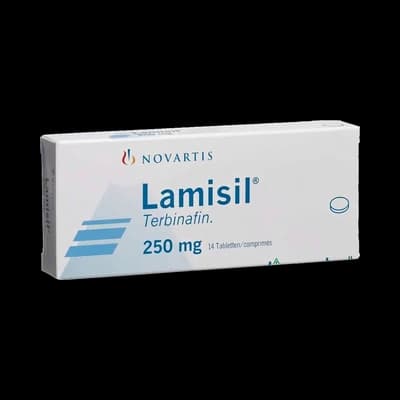
Lamisil
- FREE secure consultation service
- Fast and effective treatment
Book a quick face-to-face video consultation with a certified prescribing pharmacist, nurse, or doctor. If approved, your Fungal Nail Infections treatment will be prescribed* and delivered straight to your door with free next-day delivery†. No hidden fees. No delays. Just expert care.
* Includes Free Private Prescription & Consultation.
† Applies to UK only.
Start Your Treatment Today
Safe Prescribing
No need to visit a doctor or wait for an appointment. With our virtual consultation service, you can see a clinician online from the comfort of your home. Start your free assessment and get a treatment recommendation tailored to you. You only pay if medication is prescribed.
Fungal Nail Infections, also known as onychomycosis, are a common condition that affects both the toenails and fingernails. This type of infection is caused by various fungal organisms, including dermatophytes, yeast, bacteria, and molds. While it may not be a serious health concern, Fungal Nail Infections can be unpleasant and challenging to treat. In this comprehensive guide, we will explore the causes, symptoms, and treatment options for Fungal Nail Infections, providing you with valuable insights to help you understand and manage this condition effectively.
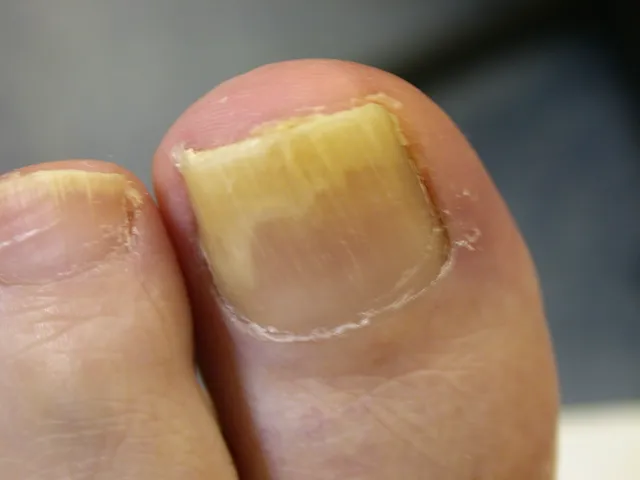
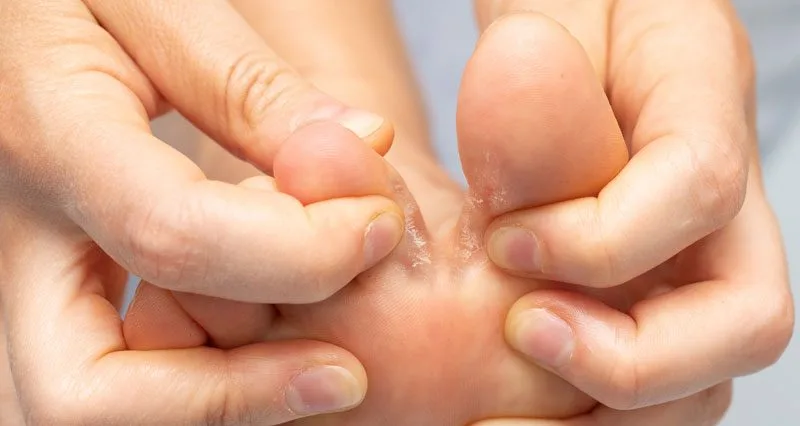
Fungal Nail Infections, medically known as onychomycosis, occur when fungi invade the nail, leading to discoloration, thickening, and crumbling of the affected nail. The infection typically starts as a white or yellow-brown spot under the tip of the nail and gradually progresses deeper into the nail bed. While Fungal Nail Infections can affect both toenails and fingernails, they are more commonly observed in the toenails. People with fungal toenail infections will usually also have a fungal skin infection on the foot area. This occurs most commonly between the toes (athlete’s foot, ringworm, or tinea pedis).
There are several types of Fungal Nail Infections, each with its distinct characteristics:
Fungal Nail Infections can be caused by various factors, including:
Fungal Nail Infections often start with mild symptoms that gradually worsen over time. Recognizing the early signs of an infection is crucial for prompt diagnosis and treatment. Here are some common symptoms to watch out for:
One of the primary indicators of fungal nail infection is a change in the color and texture of the affected nail. The nail may appear yellow, white, green, or black and may become thicker than usual. As the infection progresses, the nail may become brittle, making it challenging to trim or shape.
Infected nails are prone to crumbling and may separate from the nail bed. You may notice pieces of the nail breaking off or the entire nail lifting away. This can cause pain and discomfort, particularly when pressure is applied to the affected toe or finger.
Fungal Nail Infections can lead to changes in the shape and structure of the nail. The nail may become misshapen, distorted, or warped. Additionally, an infected nail may emit a foul odor, which is often a result of the fungal overgrowth.
In some cases, Fungal Nail Infections can cause inflammation and discomfort in the surrounding skin. The skin may appear red, swollen, and itchy, and you may experience pain or tenderness when touching or applying pressure to the infected area.
It’s important to note that these symptoms may vary depending on the type and severity of the fungal nail infection. If you suspect you have a fungal nail infection, it is advisable to consult a healthcare professional for an accurate diagnosis and appropriate treatment.
Diagnosing a fungal nail infection involves a thorough evaluation of the affected nail and, in some cases, laboratory testing. A healthcare provider will examine the nail’s appearance, texture, and any associated symptoms to determine the presence of a fungal infection. They may also collect nail clippings or scrape debris from under the nail to send for laboratory analysis. This helps identify the specific fungus causing the infection and guides the treatment approach.
Treating a fungal nail infection can be challenging, and the approach may vary depending on the severity and type of infection. It’s important to note that complete resolution of the infection may take time, and recurrence is not uncommon. Here are some treatment options commonly used for Fungal Nail Infections:
Antifungal medications are often the primary treatment for Fungal Nail Infections. They can be administered orally or applied topically. Oral antifungal drugs, such as itraconazole and terbinafine, are typically prescribed for more severe infections. These medications help a new, healthy nail grow, gradually replacing the infected part. Treatment duration may range from several weeks to months, and regular monitoring is essential to ensure effectiveness and manage any potential side effects.
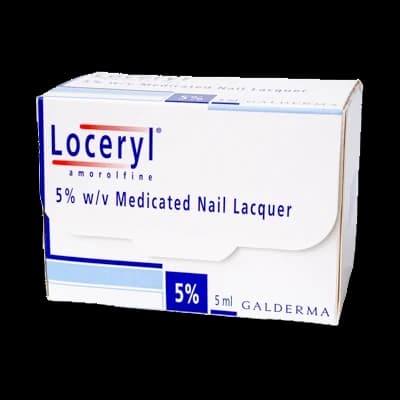
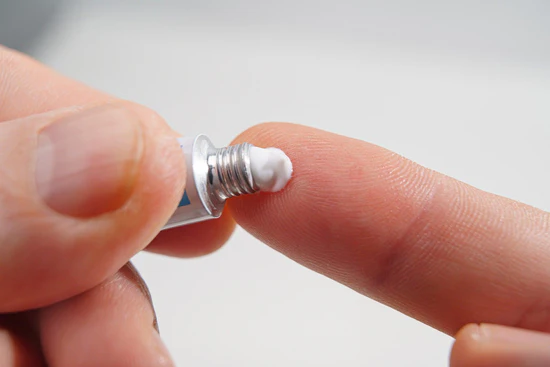
Topical antifungal treatments, such as nail lacquers or creams, are applied directly to the infected nail. While they may be less effective than oral medications, they can be useful for mild to moderate infections or as a supplementary therapy. These treatments require consistent and long-term application, often for several months, to achieve optimal results.
In severe cases or when other treatments fail, surgical interventions may be considered. The infected nail may be partially or completely removed to allow direct application of antifungal medications or to promote the growth of a healthy nail. Surgical procedures are typically performed under local anesthesia and require proper post-operative care to prevent complications.
Laser treatment is an emerging treatment option for Fungal Nail Infections. It involves using laser energy to target and destroy the fungus without causing damage to the surrounding tissues. While this treatment shows promise, more research is needed to determine its long-term effectiveness and safety.
It’s important to consult a healthcare professional for proper diagnosis and personalized treatment recommendations. They will consider various factors, such as the extent of the infection, overall health, and individual preferences, to determine the most suitable treatment approach.
Preventing Fungal Nail Infections is crucial, especially if you are at a higher risk of developing them. Here are some preventive measures and lifestyle tips to reduce the likelihood of Fungal Nail Infections:
By following these preventive measures, you can significantly reduce your risk of developing a fungal nail infection.
In some cases, mild nail fungus infections may resolve on their own without treatment. However, it is important to note that without intervention, the infection is likely to persist and may worsen over time.
Treating a fungal nail infection can be a lengthy process, often taking several months to a year or more. The duration of treatment depends on various factors, including the severity of the infection, the chosen treatment approach, and individual response to treatment.
Yes, toenail fungus is contagious and is typically spread through:
Other types of toenail fungus can spread to other parts of the body. In certain cases these can cause death if you do not have a functioning immune system. These types of infections are rare. Speak to your doctor if you are immunocompromised, and you think you may have a fungal toenail infection.
Your dermatologist may prescribe antifungal tablets if you need a stronger antifungal treatment. Oral tablets have a higher cure rate and work faster than treatments you apply directly to your nails. Antifungal tablets can cure a Fungal Nail Infections within three months of treatment if taken as prescribed by your doctor, but may cause side effects. Your healthcare provider will monitor your progress closely while taking these medications. You will also need to have regular blood tests to check for any other problems.
While it may not be possible to prevent Fungal Nail Infections entirely, adopting good foot and nail hygiene practices can significantly reduce the risk. Regularly washing and drying your feet, wearing breathable footwear, and practicing proper nail care are essential preventive measures.
Home remedies, such as vinegar soaks, tea tree oil, and hydrogen peroxide, are often suggested as potential treatments for Fungal Nail Infections. However, their effectiveness is not well-supported by scientific evidence. It is advisable to consult a healthcare professional for appropriate diagnosis and treatment recommendations.
Fungal Nail Infections can be bothersome and persistent, but with proper diagnosis and treatment, they can often be effectively managed. By understanding the causes, recognizing the symptoms, and following preventive measures, you can reduce your risk of developing a fungal nail infection. If you suspect you have a fungal nail infection, seek medical advice to receive a proper diagnosis and personalized treatment plan. Remember, early intervention is key to successful treatment and preventing further complications.
Consultations, prescriptions, medication delivery, health monitoring – all in one place.

We are a broad skilled and passionate group of clinicians with experience of operating in regulated health systems in the United Kingdom & United States. Providing excellent care and advice is at the heart of everything we do.