Get Free NHS Treatment for Sinusitis

Get assessed by a qualified clinician via secure video consultation. If treatment is appropriate, prescription medication is delivered free to your door – no GP appointment needed.

  • Free under NHS Pharmacy First
  • Video consultation with qualified clinician
  • Free next-day delivery if prescribed

Answer a few quick questions

*Subject to service eligibility

What to know about sinusitis

Symptoms of sinusitis

Sinusitis is characterised by one or more of the following symptoms:

  • Runny nose with thick yellow or green mucus
  • Postnasal drip (mucus dripping down your throat)
  • Blocked or stuffy nose
  • Pressure around your nose, eyes and forehead, which gets worse when you move your head around or bend over
  • Pressure or pain in your teeth
  • Pressure or pain in your ears
  • High temperature (Fever)
  • Halitosis (bad breath)
  • Cough
  • Headache
  • Tiredness
  • Sounding nasal when speaking
How to prevent sinusitis

  • Wash your hands regularly to reduce the spread of infections.
  • Treat colds and allergies promptly to help prevent sinus blockage.
  • Avoid smoking and second-hand smoke, which can irritate the sinuses.
  • Stay well hydrated and keep your home environment comfortable and well ventilated.

What sinusitis looks like

Clinical photos to help you self-identify

First aid for sinusitis

  • Getting plenty of rest
  • Drinking plenty of fluids
  • Taking analgesia like paracetamol or ibuprofen (do not give aspirin to children under 16)
  • Avoiding triggers like certain allergens
  • Avoid smoking
  • Cleaning your nose with a saltwater solution
  • Using over-the-counter remedies like decongestant nasal sprays or drops that can unblock your nose
  • Using antihistamines, if the cause of your Sinusitis is an allergy

To clean your nose with a saltwater solution, use the following method:

  1. Boil a pint of water
  2. Let the water cool
  3. Mix 1 teaspoon of table salt with 1 teaspoon of bicarbonate of soda into the water.
  4. Now wash your hands
  5. While standing over a sink, cup the palm of 1 hand and our a small amount of the solution you made, into it
  6. Sniff the water into one nostril. Then breathe through your mouth and allow the water to pour back into the sink. Avoid letting the water trickle to the back of your throat
  7. Repeat the steps above, 3 times a day until your symptoms are more comfortable

When to get advice from a GP

You should contact your GP if you suspect you have Sinusitis and you have:

  • Had four or more annual episodes without persistent symptoms in the intervening periods
  • Symptoms that last for more than 12 weeks (indicates possible Chronic Sinusitis)
  • An anatomic defect(s) causing nasal obstruction
  • Nasal polyps

Seek urgent medical advice if you have

  • Severe swelling or redness around the eyes or forehead.
  • Changes to your vision or difficulty moving your eyes.
  • A severe or worsening headache, particularly with vomiting.
  • Confusion, extreme drowsiness or a stiff neck.
  • You feel very unwell or your symptoms are rapidly getting worse.
Navin Khosla
Medically reviewed by Navin Khosla, B.Pharm
Current version: · View history
(Current Version)

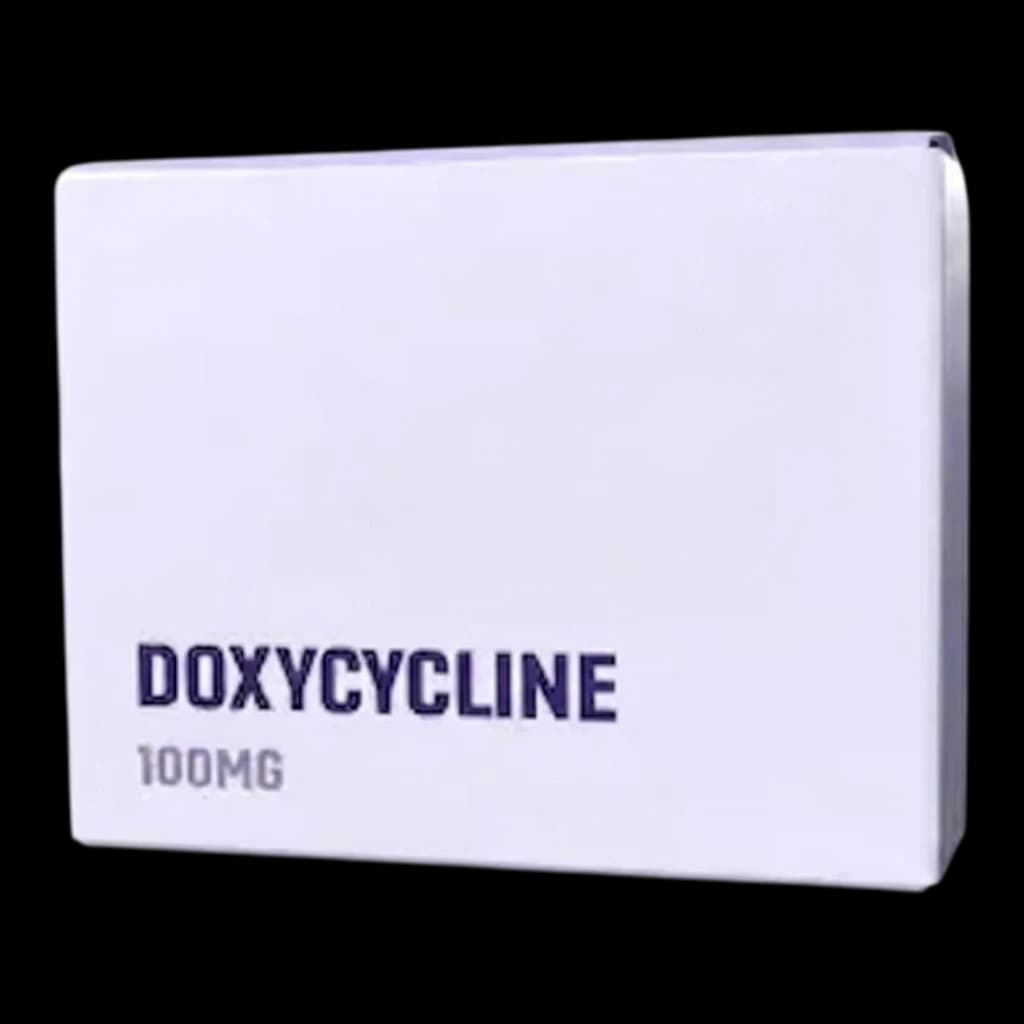
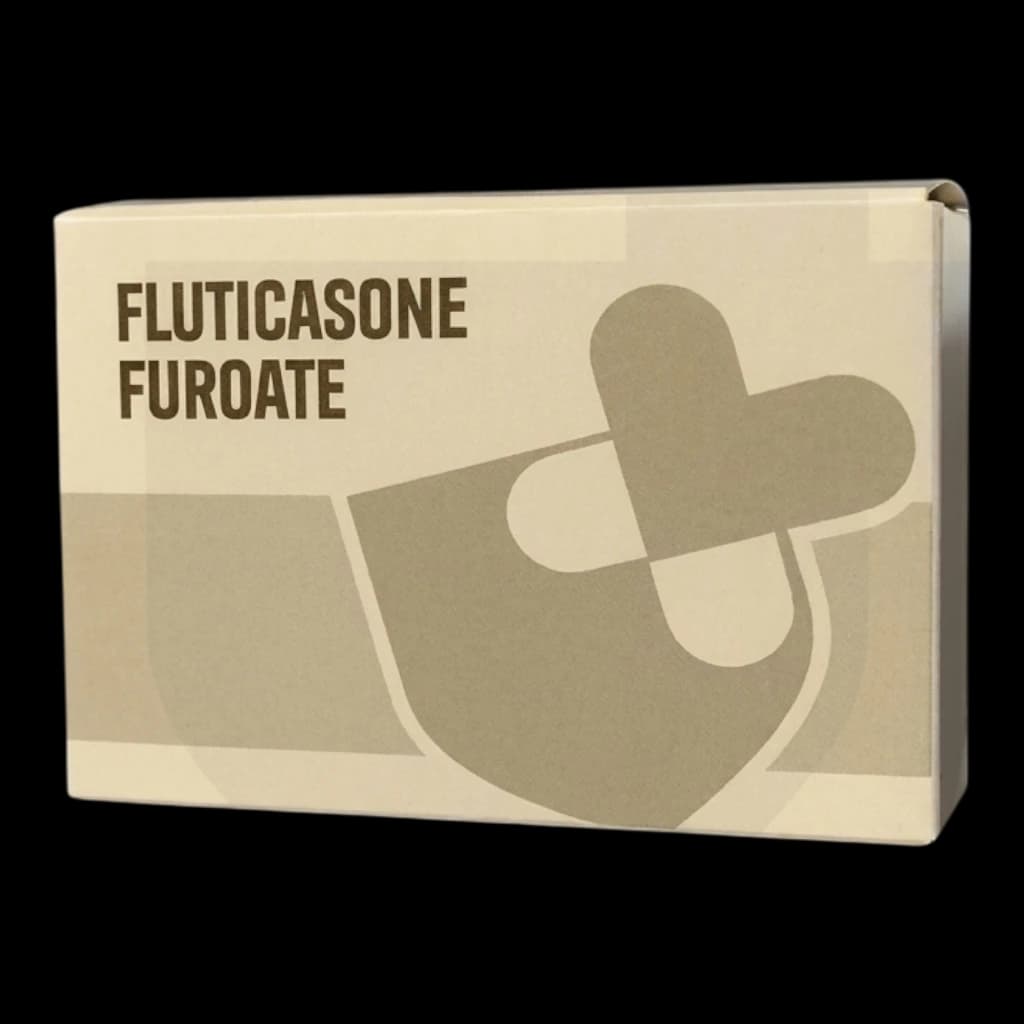
Medications that can treat sinusitis

Sinusitis information

What are the causes of Sinusitis?

Sinusitis can be caused by:

Infections

Most adults will get colds or upper respiratory tract infections up to three times a year. Both viral and bacterial infections cause swelling of the tissues inside the nose and thickening of the normal mucus. This slows down or even stops proper sinus drainage and infection in the sinus may ensue.

Irritants

Air pollution, smoke and chemical irritants, for example, some sprays containing pesticides, disinfectants and household detergents, may cause swelling and blockage of the lining of the nose causing a narrowing of the drainage opening from the sinuses. This can once again lead to impairment of sinus drainage and consequent infection.

Allergies

Allergies can cause inflammation inside the nose. Common symptoms of an allergic reaction include nasal stuffiness, runny nose, sneezing and itchy watery eyes. Allergies are responsible for asthma in some patients and may also cause nasal stuffiness making the asthma more difficult to control.

Structural problems

Occasionally structural problems within the nasal cavity can cause a narrowing. Some of these can as a result of trauma while others may develop during the growth period. Occasionally the structural narrowing can be so severe that mucus builds up behind these areas of blockage giving rise to sinus infection.

Is Sinusitis contagious?

Sinusitis itself is not contagious. However, the viruses and bacteria that can cause it are. Always follow good handwashing and personal hygiene practices.

Check if you qualify for FREE treatment with NHS Pharmacy First, without seeing your GP

You can check your eligibility to use the NHS Pharmacy First service if you suspect you have Sinusitis and you:

  • Are 18 years or over

The NHS Pharmacy First service may be suitable if you have:

  • Nasal blockage (obstruction/congestion) OR
  • Nasal discharge (anterior/posterior nasal drip)

AND ONE or more of the following:

  • Facial pain/pressure (or headache) OR
  • Reduction (or loss) of the sense of smell (in adults) OR
  • altered speech indicating nasal obstruction, and tenderness, swelling or redness over the cheekbone or periorbital areas
  • Symptoms that have been present for 10 days or more with little improvement

The NHS Pharmacy First service is available to all NowPatient users who are registered with the NHS in England. If you are exempt from paying for your prescriptions, the service and the treatments are provided free of charge. If you are not exempt from paying prescription charges, treatments are provided at the prevailing NHS prescription charge rate. There is no charge for consultations.

What NHS Pharmacy First treatments are available for Sinusitis?

If your Sinusitis symptoms persist for more than 10 days and you do not have a weakened immune system due to a particular health condition or medication that suppresses your immune system, then you may qualify to be treated under the NHS Pharmacy First service.

If the Pharmacy First clinician suspects that your Sinusitis needs treatment, then they may prescribe the following medications:

  • Steroid nasal sprays or drops to reduce the swelling in your sinuses
  • Antibiotics. However, this is not common as sinusitis is usually caused by a virus, not bacteria

If your Sinusitis does not resolve, you should contact your GP who may refer you to an ear, nose and throat (ENT) specialist if you:

  • Still have sinusitis after 3 months of treatment
  • Keep getting sinusitis
  • Only have symptoms on 1 side of your face

Sources

Your health shouldn’t wait.

Consultations, prescriptions, medication delivery, health monitoring – all in one place.

What customers love about NowPatient

Wow! Excellent customer service. I submitted an email query, had a call…

Alison Hurst

I do not leave reviews, due to time and a rare condition I have. I…

Sherry M

Great experience getting the med. Clinician was very thorough.

Barbara Hill

Cannot speak highly enough of the service and assistance I have…

CJH

Very good experience - the clinician asked intelligent questions about…

Phil Daoust

Really excellent. Very thorough and professional pharmacist who guided…

Colin Glass

Excellent4.9 out of 5Trustpilot

Meet our medical team

We are a broad skilled and passionate group of clinicians with experience of operating in regulated health systems in the United Kingdom & United States. Providing excellent care and advice is at the heart of everything we do.