Norovirus, also known as the winter vomiting bug, is a highly contagious virus that causes gastroenteritis or ‘stomach flu’. However, Norovirus illness is not related to the flu which is caused by the influenza virus.
Norovirus was originally called the Norwalk virus, after the town of Norwalk in the United States, where the first confirmed Norovirus outbreak happened in 1972. The virus spreads easily and can live on surfaces for days, making it a particularly tough illness to avoid during the colder months. It spreads quickly and easily among people in close quarters, such as schools, nursing homes and cruise ships. These tiny viruses can spread quickly and easily, often found in contaminated foods and surfaces.
In this blog post, we’ll explore what Norovirus is, how it spreads, what the symptoms are and most importantly, how you can reduce your risk of catching it.
What are the symptoms of Norovirus?
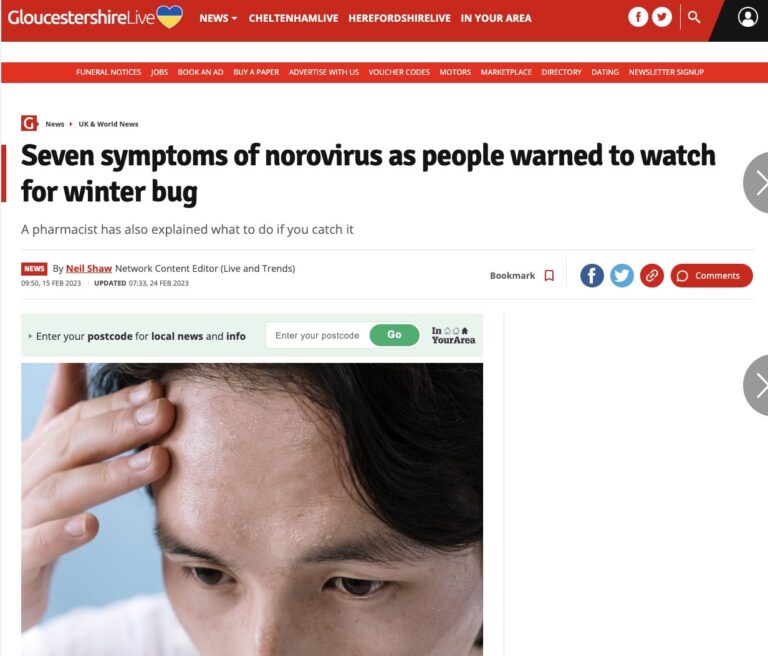
The most common Norovirus symptoms are vomiting, diarrhoea, stomach pain, stomach cramps and nausea. You may also experience headaches, muscle aches and fatigue.
While most people who get the virus will recover within a few days, some complications can arise. One such complication is dehydration, which can occur if a person is unable to consume enough fluids due to vomiting and diarrhoea. It is important to recognise the signs early on. If you begin to feel extremely thirsty, peeing less often or have a dry mouth, these could be indications that you are not taking in enough fluids. Other signs of dehydration might include dizziness or lightheadedness, fatigue or dark-coloured urine.
How long does the Norovirus last?
These symptoms usually start within 12 to 48 hours after you are infected and can last for up to three days. Norovirus is highly contagious, so you can easily pass it on to others, even after your symptoms have gone away.
Why is Norovirus sometimes called food poisoning?
You may hear Norovirus illness be called “food poisoning”, because it is the leading cause of foodborne illness. While many different types of viruses and bacteria can lead to illness, Norovirus is particularly concerning because it is extremely resilient and can survive in a variety of settings. It is also highly infectious, with just a small amount of the virus required to make someone sick. As such, it is crucial to take appropriate precautions when handling food or coming into contact with others who are sick. By staying informed and following best practices for food safety, we can help to prevent the spread of Norovirus and protect ourselves and others.
How long does Norovirus live on surfaces?
According to the Centers for Disease Control and Prevention (CDC), Norovirus can live on surfaces for up to two weeks if not properly cleaned and disinfected. This means that it’s important to clean and disinfect any surfaces that may have come into contact with the virus, such as doorknobs, countertops and bathrooms, to help prevent the spread of this nasty bug.
How does Norovirus spread?
Norovirus can be spread through contaminated surfaces, food or water, or by coming into contact with someone who is infected.
Is Norovirus airborne?
The virus is spread easily through contaminated food, water, surfaces and direct contact with an infected person. But can it also be airborne? That’s a good question. The answer is a bit more complicated than a simple yes or no. Some research suggests that it may be able to spread through the air in certain situations, such as when vomit or faecal matter becomes aerosolised. However, experts agree that the most common ways to contract Norovirus are through direct contact with infected individuals or by ingesting contaminated food or water.
Who is at risk for Norovirus?
Unfortunately, all of us are at risk of catching this stomach bug. However, some people are more susceptible than others:
- Young children
- Elderly individuals
- Pregnant women
- People with weakened immune systems such as cancer patients, transplant recipients and people with chronic diseases like diabetes and other medical conditions
- People who work near crowds, such as those in healthcare or daycare settings, cruise ships and schools
- People who work in the food service industry
How is Norovirus infection treated?
If you’ve been hit with Norovirus, you’ll know just how uncomfortable and unpleasant it can be. Luckily, there are a few things you can do to help alleviate your symptoms and get back to feeling like yourself again:
- It’s essential to stay hydrated – drink plenty of fluids like water or oral rehydration solution to replace any fluids and electrolytes lost through vomiting and diarrhoea
- Resting comfortably while your body fights off the infection
- Avoiding spicy or rich foods, caffeine, alcohol and dairy products, as they can aggravate symptoms
- Over-the-counter anti-nausea medication can be useful but always speak to a medical professional before taking any new medications
- Avoid close contact with others to prevent the spread of the virus
There is no specific treatment for Norovirus but taking care of yourself in these ways can make all the difference when it comes to treating Norovirus. If you experience severe dehydration, you may need to be hospitalised to receive intravenous fluids. Antibiotics will not help Norovirus since it is a viral infection.
How can you prevent Norovirus?
The best way to prevent Norovirus is to practice good hygiene:
- Washing your hands regularly with warm water and soap for at least 20 seconds is the most effective way to prevent the spread of the virus
- Make sure to wash your hands after using the bathroom, changing diapers, and before eating or preparing food
- Avoid touching your face, especially your mouth and nose
- Clean and disinfect surfaces frequently with a household bleach solution, especially in common areas such as bathrooms and kitchens
- Avoid close contact with someone with Norovirus
- Avoid sharing personal items like utensils, towels and cups, especially with an infected person
Seek help from your healthcare provider
So we’ve explored what Norovirus is, how it is spread and some of the signs and symptoms that you might face if you’re infected with the virus. If you should experience any of these signs or symptoms, it is wise to seek medical advice.
Norovirus can also be easily prevented by following basic hygiene rules such as washing hands regularly and avoiding close contact with people who are ill. Ultimately, speaking to a healthcare professional for advice on how best to prevent or manage Norovirus should be your top priority.
Sources
About NowPatient's Editorial Process
- Written by clinical authors
- Reviewed every 2 years
- Conflicts of interest declared
NowPatient's medical content is selected by a panel of practising clinicians (pharmacists, doctors and allied healthcare professionals) and researched by an in-house team of writers who all hold scientific or clinical backgrounds. Sponsorship and conflicts of interest are openly declared.
Every article is peer-reviewed by a clinician for clinical accuracy, evidence base and accessibility, including consideration of the particular characteristics set out in the UK Equality Act 2010. Only then is it released for publication against fixed placement guidelines.
All content is cycle reviewed (typically every two years) and updated sooner if evidence, guidelines or a complaint require it. Changes follow a formal change control procedure and are reflected in the "last updated" date on each article. NowPatient is governed by MiHealth; UK pharmacy services are provided by MiHealth Pharmacy (GPhC 1036487).