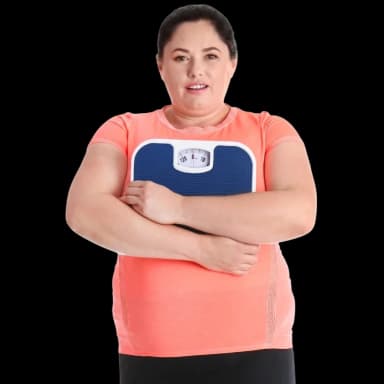
Obesity is a major risk factor for a number of chronic diseases also affecting overall health and quality of life. The World Health Organization (WHO) defines obesity as a condition in which percentage body fat is increased to an extent that health and well-being are impaired.
The Centers for Disease Control and Prevention (CDC) reports that 42.4% of all adults in the United States experience obesity. There are actually three different classes of obesity, organised according to severity. Class 2 obesity is medically classified as a moderate form of obesity. Lets take a deeper look into what Class 2 obesity is.
? What are the obesity classes?
Classes of obesity are based on a person’s body mass index (BMI). The higher the individual’s obesity level (more excess body fat) the more at risk they become for developing serious medical conditions. Obesity is currently ranked 2nd in the U.S. as one of the top most preventable forms of premature death.
Individuals with mild obesity may experience joint pain, become tired easily and have an increased risk for metabolic syndrome. Individuals with moderate obesity are at a higher risk of serious health problems like high blood pressure, sleep apnea, and type 2 diabetes, as well as cardiac issues. Those with severe obesity (formerly called morbid obesity) levels are at increased risk for very serious health conditions that are life-threatening such as heart disease, stroke and many different types of cancer.
How is BMI calculated?
A person’s body mass index (BMI) is calculated by dividing their weight in kilograms by the square of their height in metres.
? Obesity levels based on BMI
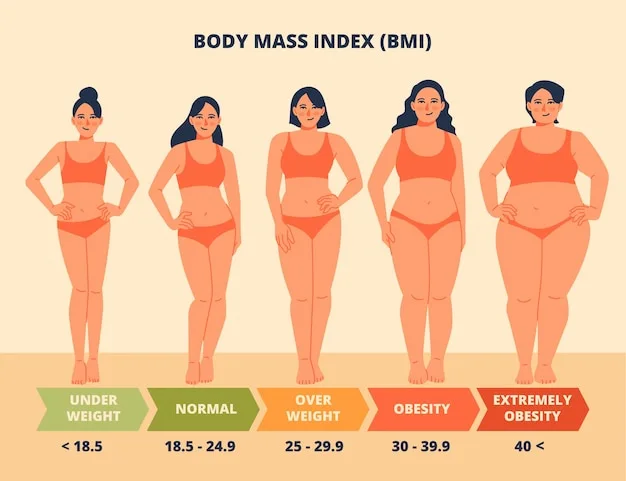
Higher BMI levels typically have increasingly higher health consequences, with different classes of obesity based on the severity. Class 1 is the least severe class, while class 3 is the most severe. BMI ranges as defined by NICE are:
- Underweight: (BMI) of less than 18.5kg/m2
- Healthy weight/normal weight: BMI of 18.5-24.9 kg/m2
- Overweight: BMI 25.0-29.9 kg/m2 (not obese)
- Class I Obesity: BMI 30.0-34.9 kg/m2 (low risk)
- Class II Obesity: BMI 35.0-39.9 kg/m2 (moderate risk)
- Class III Obesity: BMI ≥ 40.0 kg/m2 (high risk)
The above BMI cut off points are based on Caucasians and do not consider ethnicity, gender or age. Here are some factors affecting one’s ideal BMI:
- Asians generally carry more body fat than Caucasians with similar BMIs
- Women usually have higher levels of body fat compared to men of the same BMI
- As we get older our muscle mass decreases while our amount of body fat increases
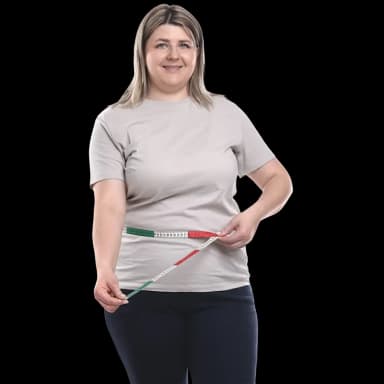
A BMI calculation is not the only tool healthcare providers can use to class obesity. Waist circumference and waist-to-hip ratio are important measures for body fat distribution when investigating the health risks in certain groups of people. Studies have shown excess weight gain around the belly increases health risks.
? What BMI range qualifies as class 2 obesity?
Class 2 obesity is also called moderate obesity and is the second worst obesity classification on the BMI scale. Individuals who have a body mass index between 35 and 39.9 have Class II obesity. People who fall into this category have a higher risk of experiencing both physical and mental health risks.
What health risks are associated with class 2 obesity?
- Cardiovascular disease: People with a high BMI are at a higher risk of developing heart disease, which can lead to heart attacks, strokes, and other cardiovascular problems
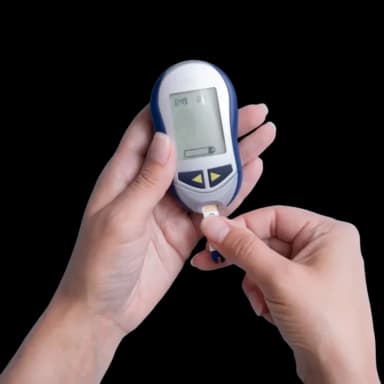
- Type 2 diabetes: Obesity is a major risk factor for developing type 2 diabetes, a chronic condition that affects how your body processes blood sugar
- High blood pressure (Hypertension): Being overweight or obese can cause your blood pressure to rise, which can increase your risk of heart disease and stroke
- Sleep apnea: People with a high BMI are more likely to have sleep apnea, a condition where breathing stops and starts repeatedly during sleep. This can lead to daytime fatigue and other complications
- Gallstones: Higher blood cholesterol levels can cause cholesterol to accumulate in your gallbladder, which increases your risk of cholesterol gallstones and gallbladder diseases
- Joint problems: Excess weight puts added pressure on your joints, which can lead to osteoarthritis, joint pain, and other problems
- Cancer: Obesity has been linked to an increased risk of several types of cancer, including breast, colon, and pancreatic cancer
? Treatment for Class 2 obesity
The most effective treatment for class 2 obesity is weight loss and a reduction in your BMI level to a healthy weight range of between 18.5 and 24.9. Achieving significant body weight loss requires a combination approach:
- Healthy eating. Eating a balanced healthy diet with plenty of fruits, vegetables, lean protein sources, whole grains and healthy fats. Avoiding processed foods high in sugar or saturated fat
- Control food intake. Be mindful of portion sizes to avoid consuming excess calories. Use smaller plates and bowls, and pay attention to hunger and fullness cues. Avoid eating directly from packages, as it can lead to mindless snacking
- Physical activity. Engaging in regular physical activity such as cardio workouts or strength training exercises
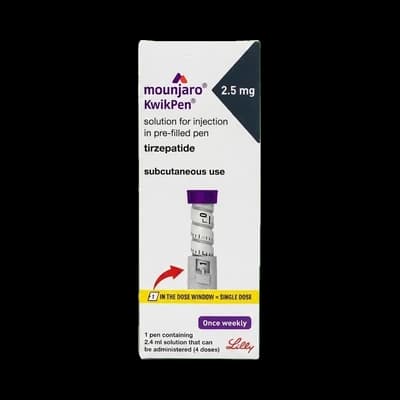
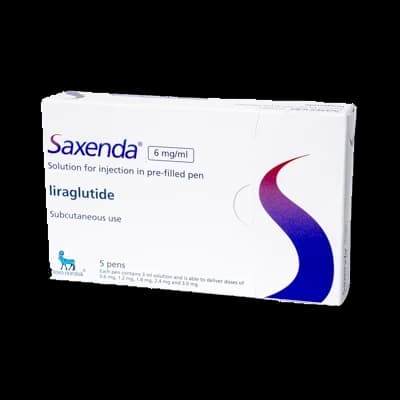
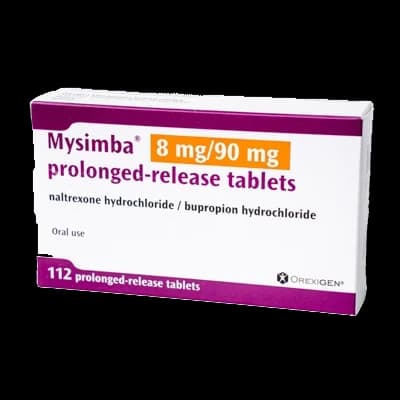
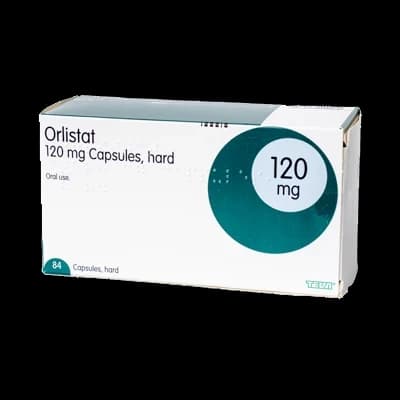
- Weight management medication. Together, you and your provider can decide if weight loss medication is right for you
? Conclusion
When BMI reaches a class 2 obesity level, it gets harder to lose weight. Obesity is associated with an increased risk of serious health conditions as well as higher medical expenses. These effects tend to be larger as obesity class increases. Getting help from a healthcare professional can help you identify obstacles and support your weight loss journey.

Liraglutide
From £81.60
Mounjaro
From £139.99
Wegovy Injection
From £119.99
Saxenda
From £244.90
Foundayo
From £63.25
Wegovy Tablets
From £55.00
Mysimba
From £98.90
Orlistat
From £39.89
Xenical
From £59.85About NowPatient's Editorial Process
- Written by clinical authors
- Reviewed every 2 years
- Conflicts of interest declared
NowPatient's medical content is selected by a panel of practising clinicians (pharmacists, doctors and allied healthcare professionals) and researched by an in-house team of writers who all hold scientific or clinical backgrounds. Sponsorship and conflicts of interest are openly declared.
Every article is peer-reviewed by a clinician for clinical accuracy, evidence base and accessibility, including consideration of the particular characteristics set out in the UK Equality Act 2010. Only then is it released for publication against fixed placement guidelines.
All content is cycle reviewed (typically every two years) and updated sooner if evidence, guidelines or a complaint require it. Changes follow a formal change control procedure and are reflected in the "last updated" date on each article. NowPatient is governed by MiHealth; UK pharmacy services are provided by MiHealth Pharmacy (GPhC 1036487).