Obesity and being overweight are characterised by an excessive accumulation of fat in the body, leading to a range of health complications. The World Health Organization (WHO) defines overweight as a body mass index (BMI) greater than 25 kg/m², and obesity as a BMI exceeding 30 kg/m². Retatrutide, a novel triple-hormone receptor agonist, has emerged as a promising solution in the fight against the global obesity epidemic. Its unique mechanism of action, targeting the GIP, GLP-1 and GCG receptors, has shown significant weight loss results, as well as improving health conditions.
? What is retatrutide?
Retatrutide is a new drug manufactured by Eli Lilly and Company that has shown promising results in clinical trials for significant body weight reduction. It is a subcutaneous (injected under the skin) weight loss medication that mimics certain hormones such as incretin in the body that regulate metabolism and appetite. The drug is being developed to target mainly weight management, but also type 2 diabetes and fatty liver disease.
Though trial results are promising in the treatment of obesity, it’ll likely take years before retatrutide achieves Food and Drug Administration approval (FDA approval) because it has to complete longer phase three trials.
? How does retatrutide work?
Retatrutide works as a powerful triple-agonist, meaning it works on on three key hormone receptors:
- The human glucagon receptor (GCGR)
- The glucose-dependent insulinotropic polypeptide receptor (GIP)
- The glucagon-like peptide-1 receptor (GLP-1)
This unique receptor profile allows retatrutide to effectively:
- Regulate appetite, feelings of fullness, and gastric emptying
- Regulate metabolism
- Regulate blood sugar levels
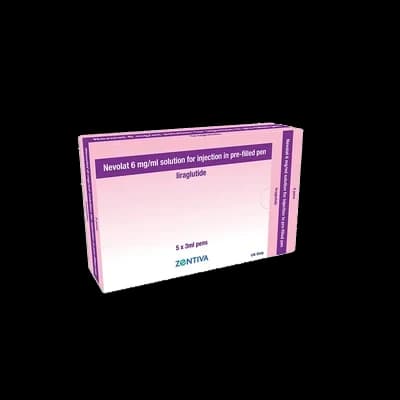
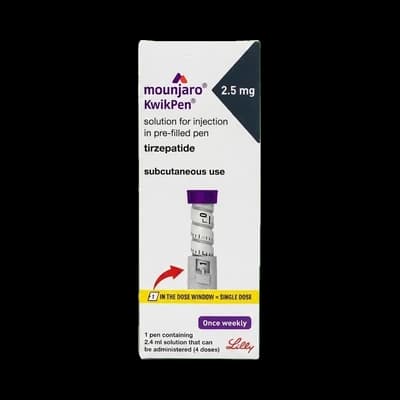
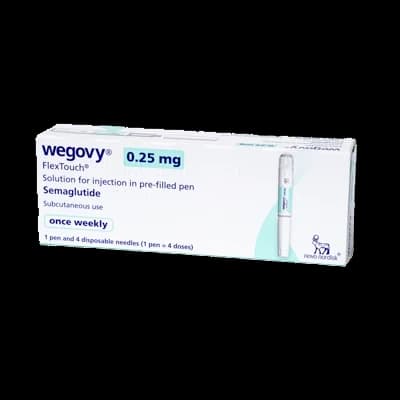
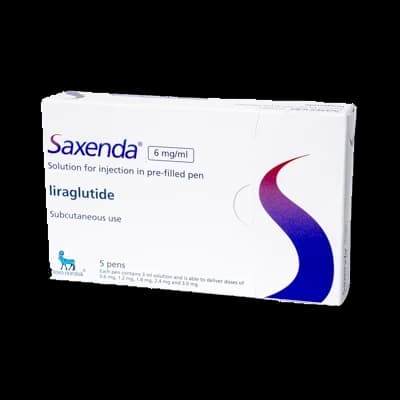
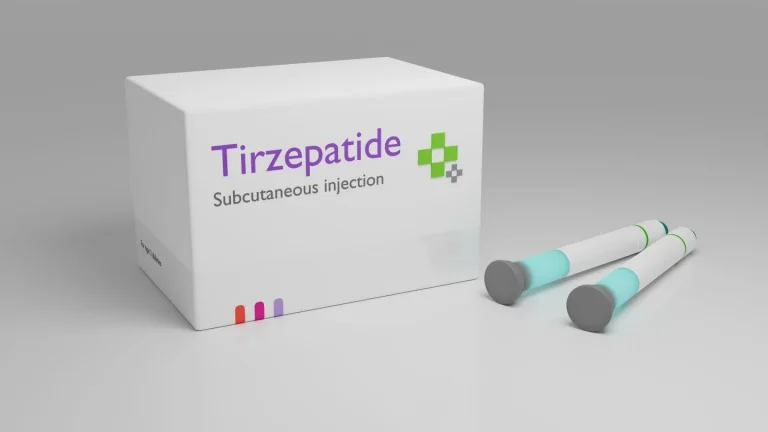
Retatrutide activates the GIP, GLP-1, and GCG receptors simultaneously, leading to better weight loss and cardiometabolic benefits compared to targeting a single receptor. GIP is involved in glucose and lipid metabolism, GLP-1 regulates insulin secretion and appetite, and GCG plays a role in fat breakdown for energy use. In comparison, weight loss drugs Wegovy, Ozempic and Mounjaro only work on the and GIP and GLP-1 receptor agonist.
? Results from clinical trial results
Retatrutide has been the subject of extensive clinical investigation, with promising results emerging from phase 2 trials. In a study published in the New England Journal of Medicine, researchers investigated the effects of retatrutide on efficacy, safety and it’s side effects at various doses in adults with obesity or who are overweight.
Key points:
- People who received doses of retatrutide ranging from 1 mg (lowest dose) to 12 mg (highest dose) experienced significant weight loss compared to the placebo group
- At 24 weeks, the percentage change in body weight ranged from -7.2% in the 1 mg group to -17.5% in the 12 mg group, compared to -1.6% in the placebo group
- At 48 weeks, the percentage change in body weight ranged from -8.7% in the 1 mg group to -24.2% in the 12 mg group, compared to -2.1% in the placebo group
- A large proportion of people receiving retatrutide (64% to 100%) achieved an average weight loss of 5% or more, with some participants even losing 30% or more of their baseline weight
- Retatrutide treatment showed improvements in cholesterol levels, hypertension (high blood pressure) and blood glucose levels
A recent paper published in The Lancet showed that combining retatrutide with lifestyle changes leads to significantly greater weight loss than lifestyle interventions without medication.
? Gastrointestinal side effects
The most frequently reported side effects associated with retatrutide treatment are gastrointestinal, including nausea, vomiting, diarrhoea, and constipation. These side effects are similar to those of Ozempic (semaglutide) Mounjaro (tirzepatide), Zepbound and Wegovy. Side effects are often dose-dependent, with higher doses of retatrutide generally resulting in a higher incidence of gastrointestinal adverse events.
Clinical trials have shown that the use of a lower starting dose (2 mg) compared to a higher starting dose (4 mg) can partially reduce the frequency and severity of gastrointestinal side effects. This suggests that a gradual dose increase may be beneficial in managing these adverse events. Your healthcare provider can give you advice on minimising side effects.
? The FDA approval status of retatrutide
Retatrutide has not yet received approval from the U.S. Food and Drug Administration (FDA) for the treatment of obesity. The compound is currently in the development pipeline, with Eli Lilly, the pharmaceutical company behind its creation, actively pursuing the next stages of the regulatory process. 2026 will be the earliest possible date doctors can prescribe retatrutide, assuming that the drug passes later-stage human trials now underway.
The FDA’s approval process for new medications is a rigorous and comprehensive one, involving multiple phases of clinical trials to evaluate safety, efficacy, and overall risk-benefit profiles. For retatrutide to be approved for clinical use, Eli Lilly must demonstrate convincing evidence of its ability to safely and effectively manage obesity in a larger, more diverse patient population.
? Conclusion
For healthcare professionals, the availability of retatrutide could expand their prescribing options once retatrutide is FDA approved and it is evaluated for NHS use. As the drug is still in the clinical trial phase and not yet available for public use, its pricing is not officially set.
Retatrutide’s ability to target multiple metabolic pathways simultaneously may lead to more substantial and sustained weight loss, potentially reducing the risk of obesity-related conditions.
For patients battling with obesity the prospect of retatrutide’s approval is particularly exciting. The impressive weight loss results observed in clinical trials suggest that this medication could offer a better alternative to existing obesity treatments, potentially helping individuals achieve their weight management goals and improve their overall health and quality of life.
Sources
About NowPatient's Editorial Process
- Written by clinical authors
- Reviewed every 2 years
- Conflicts of interest declared
NowPatient's medical content is selected by a panel of practising clinicians (pharmacists, doctors and allied healthcare professionals) and researched by an in-house team of writers who all hold scientific or clinical backgrounds. Sponsorship and conflicts of interest are openly declared.
Every article is peer-reviewed by a clinician for clinical accuracy, evidence base and accessibility, including consideration of the particular characteristics set out in the UK Equality Act 2010. Only then is it released for publication against fixed placement guidelines.
All content is cycle reviewed (typically every two years) and updated sooner if evidence, guidelines or a complaint require it. Changes follow a formal change control procedure and are reflected in the "last updated" date on each article. NowPatient is governed by MiHealth; UK pharmacy services are provided by MiHealth Pharmacy (GPhC 1036487).