Online Thrush Treatments & Prescriptions

Book a quick face-to-face video consultation with a certified prescribing pharmacist, nurse, or doctor. If approved, your Thrush treatment will be prescribed* and delivered straight to your door with free next-day delivery†. No hidden fees. No delays. Just expert care.

* Includes Free Private Prescription & Consultation.

† Applies to UK only.

Start Your Treatment Today

Available Treatments for Thrush

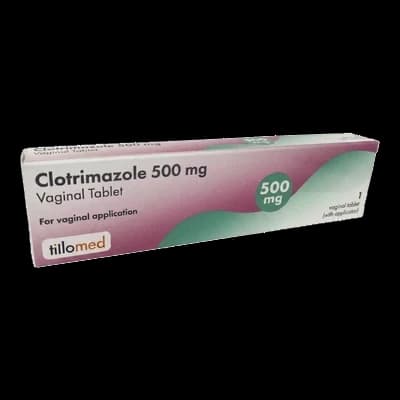
Clotrimazole Pessary packaging which is available to order online from NowPatient with free next day delivery

Clotrimazole Pessary

  • FREE secure consultation service
  • Fast and effective treatment
From £14.43
Canesten packaging which is available to order online from NowPatient with free next day delivery

Canesten

  • FREE secure consultation service
  • Fast and effective treatment
From £7.39
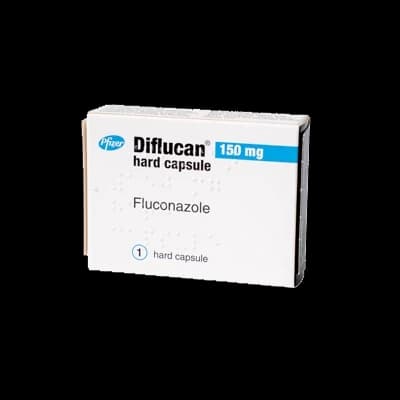
Diflucan packaging which is available to order online from NowPatient with free next day delivery

Diflucan

  • FREE secure consultation service
  • Fast and effective treatment
From £11.99
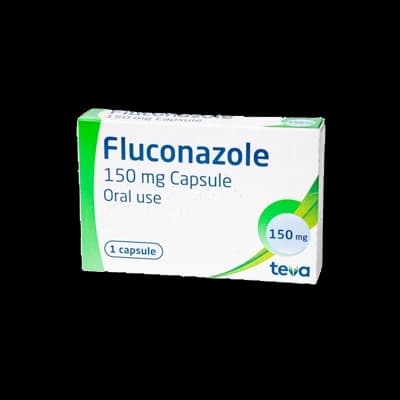
Fluconazole packaging which is available to order online from NowPatient with free next day delivery

Fluconazole

  • FREE secure consultation service
  • Fast and effective treatment
From £5.89

Safe Prescribing

Get Started With the Right Treatment for You

No need to visit a doctor or wait for an appointment. With our virtual consultation service, you can see a clinician online from the comfort of your home. Start your free assessment and get a treatment recommendation tailored to you. You only pay if medication is prescribed.

Key facts about Thrush

Thrush (oral candidiasis), is a fungal infection affecting the mouth and throat. It is most common in infants, older adults, and people with weakened immune systems. Here, we will take a look at the causes, symptoms, and treatment options available for Thrush.

What causes Thrush?

Thrush is caused by the overgrowth of Candida albicans, a type of yeast that lives naturally in the mouth and gastrointestinal tract. Normally, good bacteria in the body and the immune system keep the Candida in check, but certain factors such as a weakened immune system, hormonal changes, or certain medications, can affect this balance, allowing fungus to multiply and cause symptoms.

Thrush can present as pseudomembranous (white patches on the mouth, tongue, or throat) and atrophic form (red patches underneath upper dentures in older adults). Thrush infections are not sexually transmitted infections (STIs) and is not contagious in most cases. Thrush can be caused by:

  • Antibiotics, which may kill good bacteria that normally prevent Candida overgrowth
  • Inhaled corticosteroids for asthma
  • Ill-fitting dentures that cause friction and irritation in the mouth
  • A weakened immune system due to HIV/AIDS, diabetes, or cancer
  • Chemotherapy or radiation therapy
  • Dry mouth
  • Smoking, which weakens the immune system and damages the lining in the mouth

Risk factors for Thrush

Risk factors include:

  • Those under the age of 6 months are more at risk, as their immune systems are not fully developed
  • The elderly, who may have a weakened immune system or age-related changes in their oral health
  • Conditions such as HIV/AIDS, cancer, or diabetes which may weaken the immune system
  • High blood sugar levels, which can create an environment conducive to Candida growth
  • Pregnancy, hormonal contraceptives, or hormonal imbalances

Signs and symptoms of Thrush

Common symptoms of Thrush include:

  • White patches that look like cottage cheese, on the tongue, gums, inner cheeks, or throat. These patches cannot be wiped away easily
  • Soreness and redness in the mouth and throat
  • Cracking or fissures at the corners of the mouth
  • Loss of taste or an unpleasant taste
  • Difficulty eating or swallowing
  • Pain in the affected areas

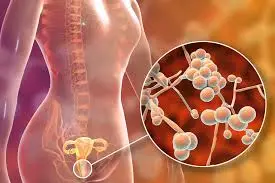
Symptoms of vaginal Thrush include:

  • Vaginal and vulval discomfort
  • Thick white vaginal discharge
  • Swelling or redness of the vulva or vagina
  • Redness, swelling or cracks in the genital skin
  • Stinging or burning when urinating or during sex

Some individuals with Thrush may not have any symptoms, while others may have more severe symptoms. Speak to a healthcare professional if you think you have Thrush. Untreated infections can lead to complications.

Diagnosis of Thrush

A healthcare professional will take your medical history and examine your mouth and throat for signs of Thrush. A swab may be taken of the lesion to confirm the presence of Candida. The sample is usually sent to a lab for analysis. In certain cases, additional blood tests may be needed to check for complications or other medical conditions associated with Thrush.

Treatment options for Thrush

Thrush treatment aims to eliminate the fungal infection to relieve symptoms. Treatment will depend on the severity of your infection and any underlying risk factors causing Thrush. Home remedies and self-measures may be sufficient for the treatment of mild cases of Thrush. These include:

  • Salt water mouth rinses to help reduce inflammation and promote healing
  • Baking soda mouth rinses
  • Probiotic yoghurt to help restore the natural balance of bacteria in the mouth
  • Lemon juice acts as an antiseptic and may help fight against the fungus
  • Turmeric contains curcumin, an anti-inflammatory and antifungal. Turmeric mouth rinse may help reduce inflammation and stop the growth of fungus in the mouth
  • Clove oil has antiseptic and pain-relieving properties

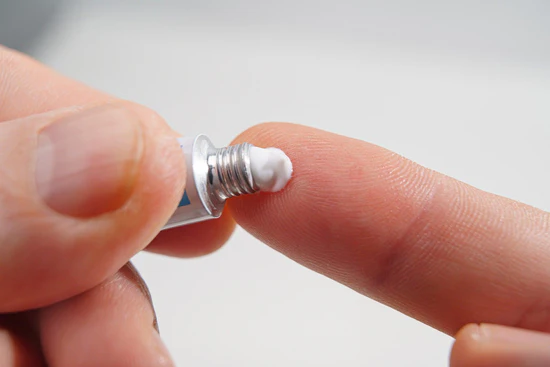
In more severe cases of Thrush, over-the-counter or prescribed antifungals may be used. These are available as topical antifungal creams or sprays, oral lozenges, vaginal pessaries, tablets, oral solutions, or systemic medications that work throughout the body.

Common antifungals include clotrimazole such as Canestan , nystatin, fluconazole such as Diflucan, and miconazole. Duration of treatment will depend on the condition being treated and your response to treatment. Nursing mothers with Thrush may be prescribed antifungal medicines for both themselves and the baby.

Prevention of Thrush

Preventive measures can reduce the risk of developing Thrush. These include:

  • Maintaining good oral hygiene
  • Avoiding irritants such as, perfumes, bubble baths, or products that irritate the skin and disrupt the natural balance of bacteria
  • Keeping the genital area dry and wearing breathable underwear
  • Managing conditions such as diabetes or immune deficiencies
  • Avoiding unnecessary or prolonged use of antibiotics
  • Stopping smoking
  • Staying hydrated and using saliva substitutes if necessary for a dry mouth

Thrush in babies and children

Thrush is common in infants and can be passed from mother to baby during childbirth or when breastfeeding. Symptoms may include white patches in the mouth or on the tongue, irritability, and difficulty feeding. Treatment includes oral gels or drops, good hygiene, and sterilising pacifiers and bottle nipples, to prevent reinfection.

Thrush in older adults

Symptoms in older adults include white patches on the tongue or inner cheeks, pain or discomfort when eating, and dry mouth. Treatment includes antifungals. Older adults also need to maintain good oral hygiene and manage any underlying health conditions that may contribute to the development of Thrush.

Complications of Thrush

If left untreated or if the immune system is severely compromised, Thrush can spread to other parts of the body, leading to complications, such as invasive candidiasis, which may affect vital organs.

Recurrent Thrush

Recurrent Thrush is defined as four or more episodes within a year and may require investigation to identify any underlying causes. This may include testing for diabetes or assessing your immune system.

Conclusion

Thrush is a common fungal infection caused by the overgrowth of Candida albicans. With early diagnosis and the right treatment, Thrush can be effectively managed. Speak to your healthcare provider if you think you have Thrush, for an accurate diagnosis and appropriate treatment. Maintain good oral hygiene, manage any underlying health conditions you may have, and take preventive measures to reduce the risk of recurrent Thrush.

Sources

Related Articles

Your health shouldn’t wait.

Consultations, prescriptions, medication delivery, health monitoring – all in one place.

What customers love about NowPatient

Wow! Excellent customer service. I submitted an email query, had a call…

Alison Hurst

I do not leave reviews, due to time and a rare condition I have. I…

Sherry M

Great experience getting the med. Clinician was very thorough.

Barbara Hill

Cannot speak highly enough of the service and assistance I have…

CJH

Very good experience - the clinician asked intelligent questions about…

Phil Daoust

Really excellent. Very thorough and professional pharmacist who guided…

Colin Glass

Excellent4.9 out of 5Trustpilot

Meet our medical team

We are a broad skilled and passionate group of clinicians with experience of operating in regulated health systems in the United Kingdom & United States. Providing excellent care and advice is at the heart of everything we do.