
Online Period Pain Treatments & Prescriptions

Book a quick face-to-face video consultation with a certified prescribing pharmacist, nurse, or doctor. If approved, your Period Pain treatment will be prescribed* and delivered straight to your door with free next-day delivery†. No hidden fees. No delays. Just expert care.

* Includes Free Private Prescription & Consultation.

† Applies to UK only.

Start Your Treatment Today

Available Treatments for Period Pain

Ponstan packaging which is available to order online from NowPatient with free next day delivery

Ponstan

  • FREE secure consultation service
  • Fast and effective treatment
From £13.07
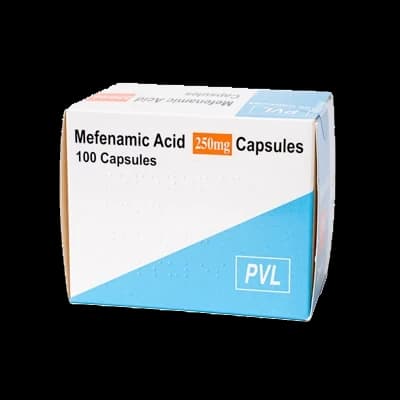
Mefenamic Acid packaging which is available to order online from NowPatient with free next day delivery

Mefenamic Acid

  • FREE secure consultation service
  • Fast and effective treatment
From £11.99

Safe Prescribing

Get Started With the Right Treatment for You

No need to visit a doctor or wait for an appointment. With our virtual consultation service, you can see a clinician online from the comfort of your home. Start your free assessment and get a treatment recommendation tailored to you. You only pay if medication is prescribed.

Key facts about Period Pain

Menstrual pain or Period Pain is a common problem for many women. Pain can range from mild to severe, and can affect the ability to carry out day-to-day activities. Here, we will take a look at the causes, symptoms and treatment options available for menstrual pain.

What is Menstrual pain?

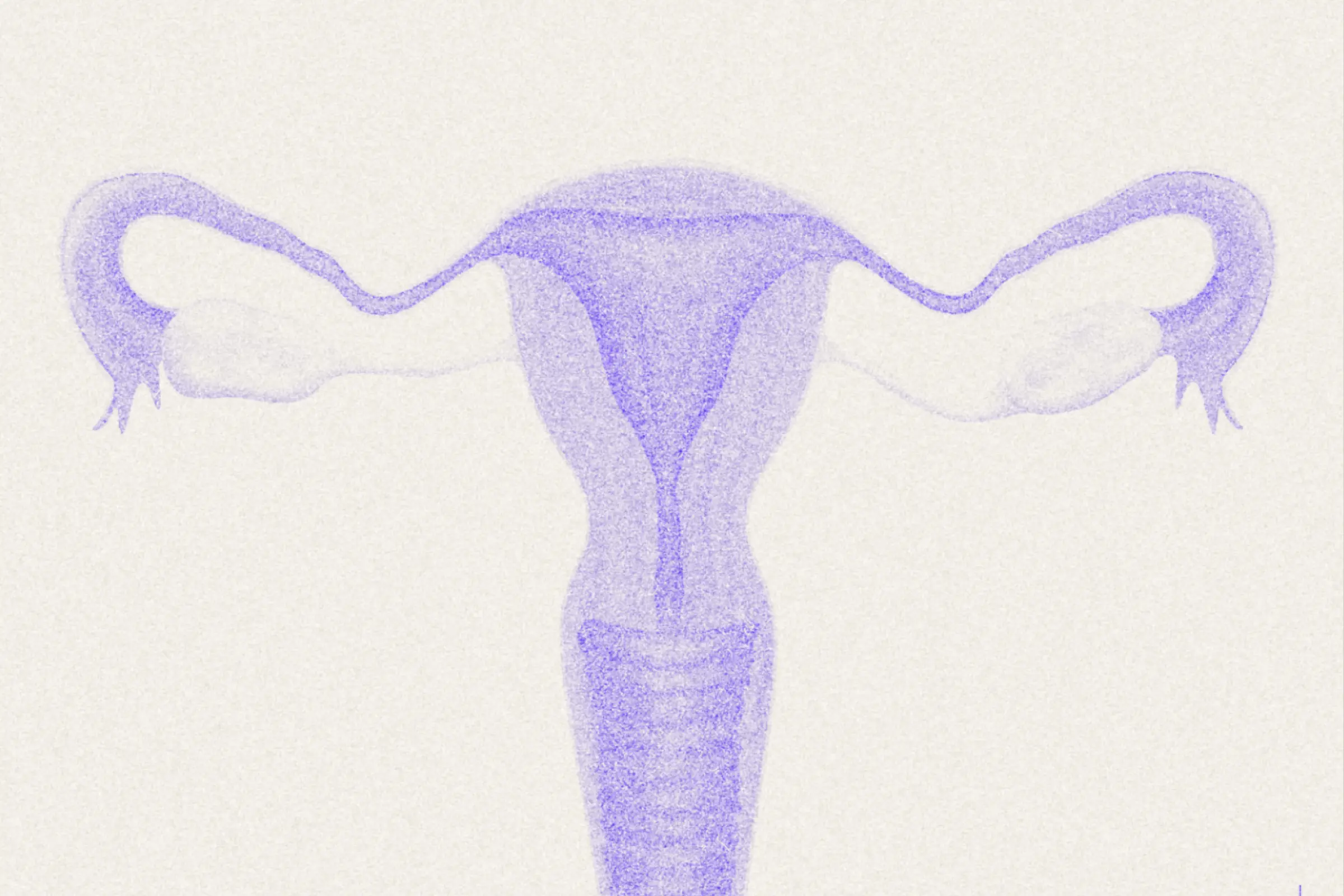
Menstrual pain (dysmenorrhea), is the pain women may feel during their menstrual cycle. It normally occurs one or two days before or during menstruation. The pain can range from mild to severe pain, which interferes with day-to-day life.

Causes of Menstrual Pain

Prostaglandins and uterine contractions

The main cause of menstrual cramps is prostaglandins, which are produced in the uterus lining. Prostaglandins help trigger contractions and shedding of the lining in the uterus, but excess prostaglandins can increase the intensity of the contractions, causing Period Pain.

Other underlying conditions

Other underlying medical conditions that may contribute to menstrual pain include:

  • Endometriosis: Tissue similar to the uterus lining grows outside the uterus, causing inflammation
  • Adenomyosis: Endometrial tissue is present within the uterus wall, leading to painful and heavy periods
  • Uterine fibroids: Non-cancerous growths in or on the uterus, that can cause pain and heavy bleeding
  • Pelvic inflammatory disease (PID): Infection of the womb, ovaries and fallopian tubes, often due to STIs (sexually transmitted infections), which may cause pelvic pain
  • Cervical stenosis: Narrowing of the cervix, blocking the flow of blood and causing pain
  • Irregular periods
  • Intrauterine devices (IUD)

Types of Menstrual Pain

Primary Dysmenorrhea

Primary dysmenorrhea occurs without any underlying medical conditions and is classed as a normal part of the menstrual cycle. It normally starts during adolescence when menstruation begins, but improves with age or after childbirth. Other symptoms linked to primary dysmenorrhea include nausea, tiredness, headache, and diarrhoea.

Secondary Dysmenorrhea

Secondary dysmenorrhea is caused by an underlying medical condition (such as endometriosis, adenomyosis, uterine fibroids, pelvic inflammatory disease (PID), and cervical stenosis), normally occurs later in life, tends to get worse over time and is often more severe.

Signs and symptoms

  • Cramping in the lower abdomen
  • Throbbing pain that spreads to the lower back or thighs
  • Back pain
  • Bloating or diarrhea
  • Headache, dizziness, nausea, vomiting
  • Tiredness
  • Mood swings
  • Irritability

Speak to a healthcare professional if you have any of the following symptoms:

  • Pain that interferes with your daily activities
  • Pain not relieved with over-the-counter medication
  • Symptoms that become worse or more severe
  • Pain outside of your normal menstrual period
  • Unusual vaginal discharge or bleeding
  • Fever, severe nausea or vomiting
  • Fainting or loss of consciousness
  • Rapid heartbeat or palpitations
  • Difficulty breathing

Diagnostic tests for Dysmenorrhea

  • Pelvic ultrasounds of the reproductive organs, to identify structural abnormalities, fibroids or cysts
  • Magnetic resonance imaging (MRI) to provide information about suspected underlying conditions
  • Laparoscopy for direct visualization of the pelvic organs

These tests will help to identify any underlying causes and the development of a treatment plan.

Lifestyle changes for Menstrual Pain management

  • Exercise and physical activity: Exercise promotes the release of endorphins, which improve blood circulation, reduce muscle tension, and enhance mood. You should aim for around 30 minutes of moderate-intensity aerobic exercise
  • Stress reduction techniques: Deep breathing exercises, meditation, yoga, or mindfulness, can promote relaxation
  • Sleep and rest: Create a comfortable sleep environment and practice good sleep hygiene
  • Dietary considerations: Maintain a balanced diet high in fruits, vegetables, whole grains, and lean proteins and limit processed foods, sugary snacks, caffeine, and alcohol
  • Heat therapy: Use heating pads, hot water bottles, hot baths, or warm towels to help relax muscles, improve blood flow, and reduce cramping

Over-the-counter medications for Menstrual Pain

Over-the-counter painkillers such as non-steroidal anti-inflammatory drugs (NSAIDs) and paracetamol are recommended for menstrual pain relief.

Non-steroidal anti-inflammatory drugs (NSAIDs)

NSAIDs, such as ibuprofen and naproxen, are effective for the reduction of menstrual pain. These relieve inflammation, reduce uterine contractions and pain.

Hormonal birth control as a treatment option

These regulate hormone levels and reduce the intensity of uterine contractions.

  • Combined oral contraceptives: Birth control pills help regulate the menstrual cycle, reduce the production of prostaglandins, and reduce menstrual pain
  • Progestin-only methods: The mini-pill, IUDs, or implants, can also be effective for the management of menstrual pain. These thin the lining of the uterus, reduce the production of prostaglandins, and prevent ovulation

Alternative and complementary therapies

  • Herbal supplements and vitamins: Thiamine and magnesium supplements may relieve menstrual pain, although more research is needed. Consult a healthcare provider before starting any new supplement, as they may interact with other medications or cause side effects
  • Acupuncture and acupressure: These involve the stimulation of specific points on the body to promote pain relief and overall well-being

Surgical interventions

  • Procedures for endometriosis may include a laparoscopy or excision to remove or destroy the tissue
  • Uterine artery embolization involves injecting small particles into blood vessels supplying fibroids. This blocks their blood supply, causing them to shrink
  • Hysterectomy (complete removal of the uterus), providing permanent relief from menstrual pain

Conclusion

Understanding the causes, symptoms, and treatments available for Period Pain is essential when it comes to managing menstrual pain. Speak to your healthcare provider if you have severe, ongoing, or menstrual pain that is getting worse.

Sources

Related Articles

Your health shouldn’t wait.

Consultations, prescriptions, medication delivery, health monitoring – all in one place.

What customers love about NowPatient

Wow! Excellent customer service. I submitted an email query, had a call…

Alison Hurst

I do not leave reviews, due to time and a rare condition I have. I…

Sherry M

Great experience getting the med. Clinician was very thorough.

Barbara Hill

Cannot speak highly enough of the service and assistance I have…

CJH

Very good experience - the clinician asked intelligent questions about…

Phil Daoust

Really excellent. Very thorough and professional pharmacist who guided…

Colin Glass

Excellent4.9 out of 5Trustpilot

Meet our medical team

We are a broad skilled and passionate group of clinicians with experience of operating in regulated health systems in the United Kingdom & United States. Providing excellent care and advice is at the heart of everything we do.