Online Hair Loss Treatments & Prescriptions

Book a quick face-to-face video consultation with a certified prescribing pharmacist, nurse, or doctor. If approved, your Hair Loss treatment will be prescribed* and delivered straight to your door with free next-day delivery†. No hidden fees. No delays. Just expert care.

* Includes Free Private Prescription & Consultation.

† Applies to UK only.

Start Your Treatment Today

Available Treatments for Hair Loss

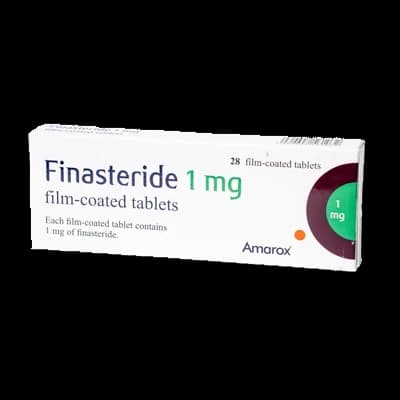
Finasteride packaging which is available to order online from NowPatient with free next day delivery

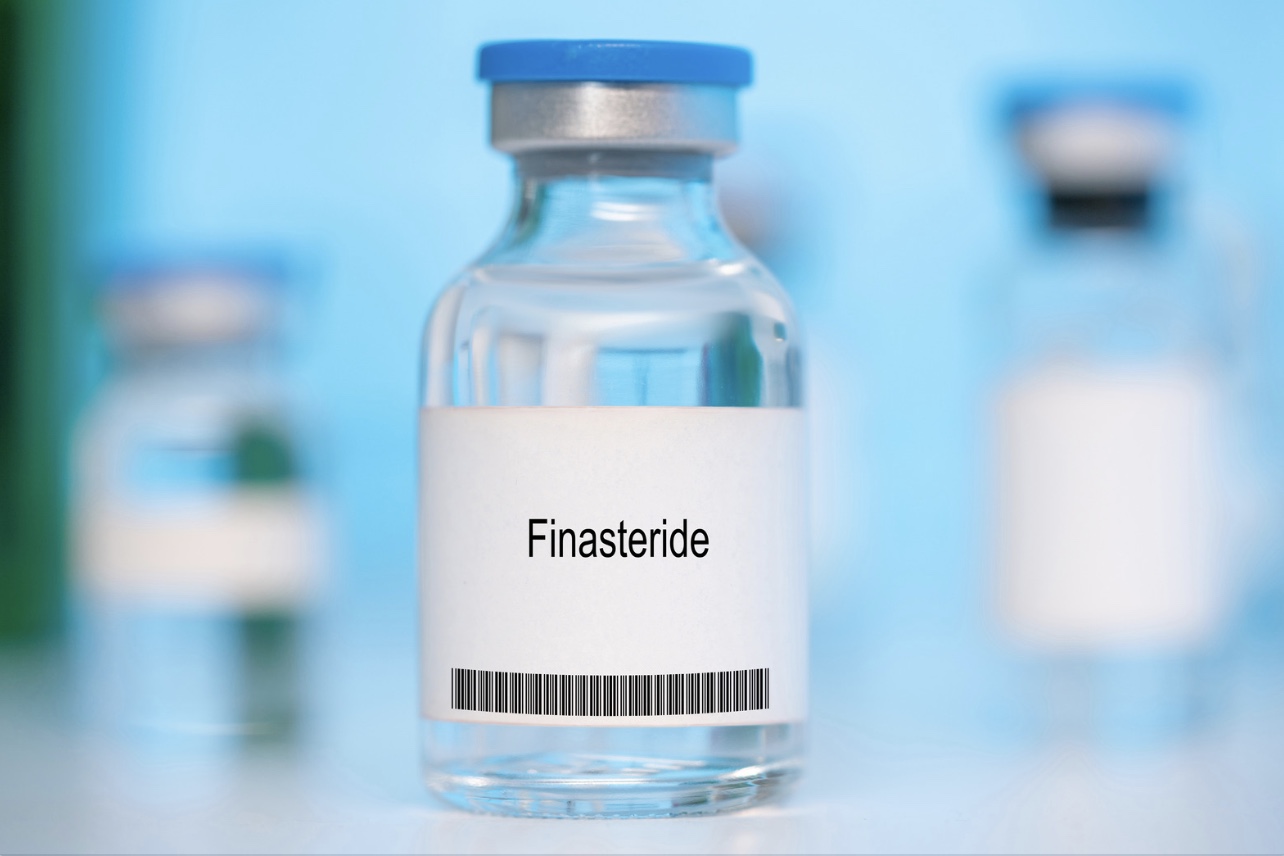
Finasteride

  • FREE secure consultation service
  • Fast and effective treatment
From £14.89
Propecia packaging which is available to order online from NowPatient with free next day delivery

Propecia

  • FREE secure consultation service
  • Fast and effective treatment
From £40.90

Safe Prescribing

Get Started With the Right Treatment for You

No need to visit a doctor or wait for an appointment. With our virtual consultation service, you can see a clinician online from the comfort of your home. Start your free assessment and get a treatment recommendation tailored to you. You only pay if medication is prescribed.

Key facts about Hair Loss

Hair Loss (alopecia), is a condition that affects mostly men. It can however, also affect women. It can occur due to many reasons, so understanding the causes, types, and treatments available is essential. Here, we will take a closer look at the causes and treatment options available to you.

Causes of Hair Loss

Hair Loss can be caused by several factors, such as it being hereditary, stress, other medical conditions, and other medication you may be taking. Understanding the cause for your Hair Loss is important when treating your condition. Common causes of Hair Loss include:

Hereditary Hair Loss

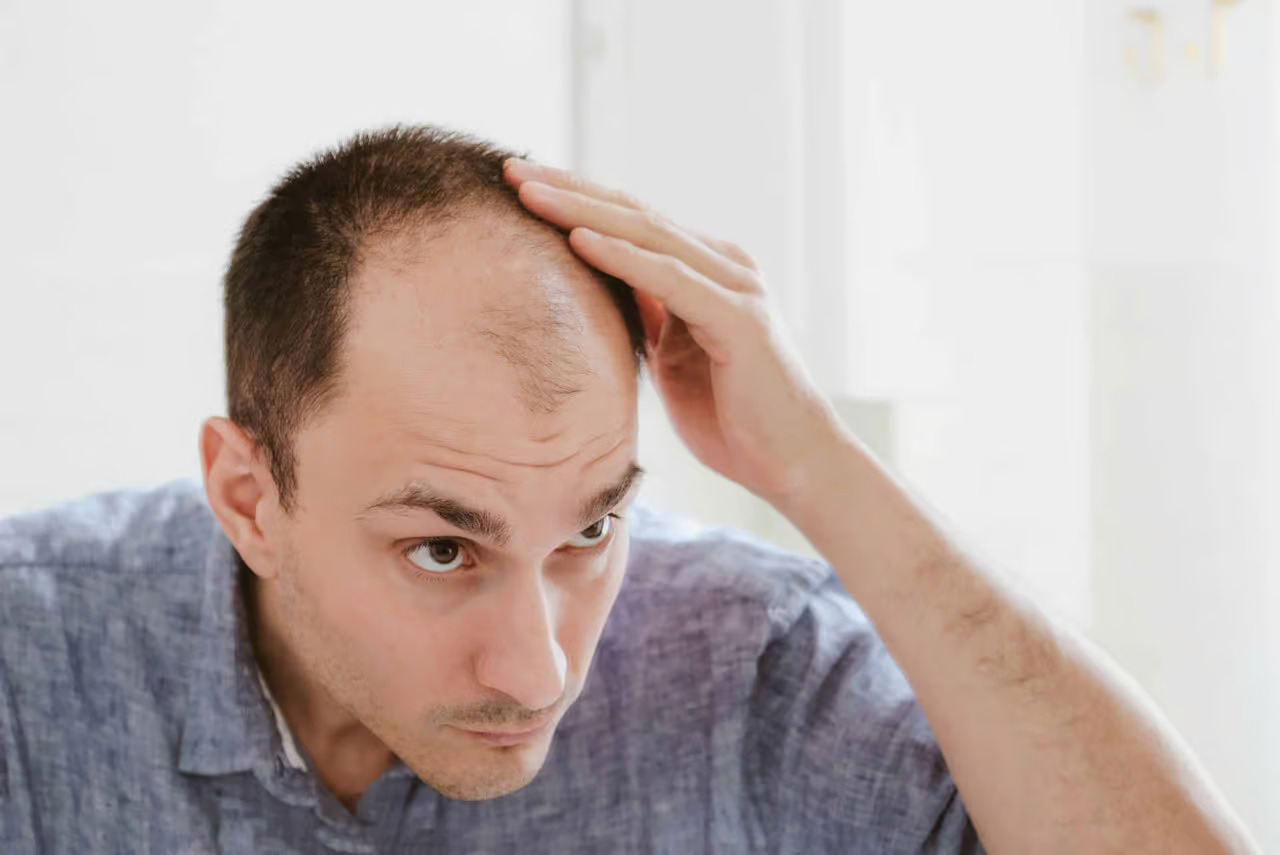
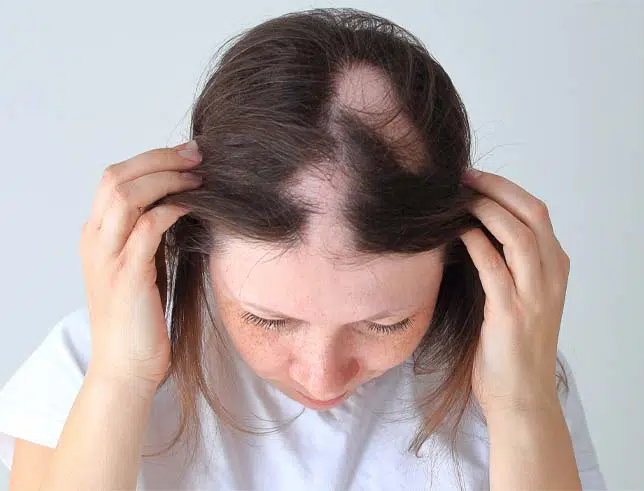
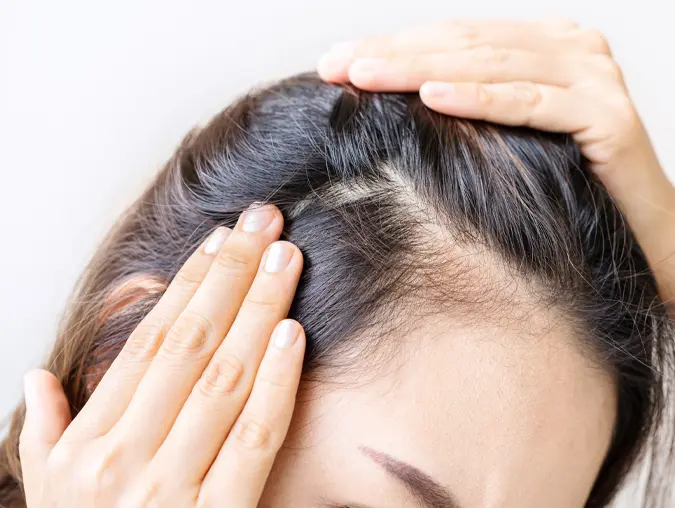
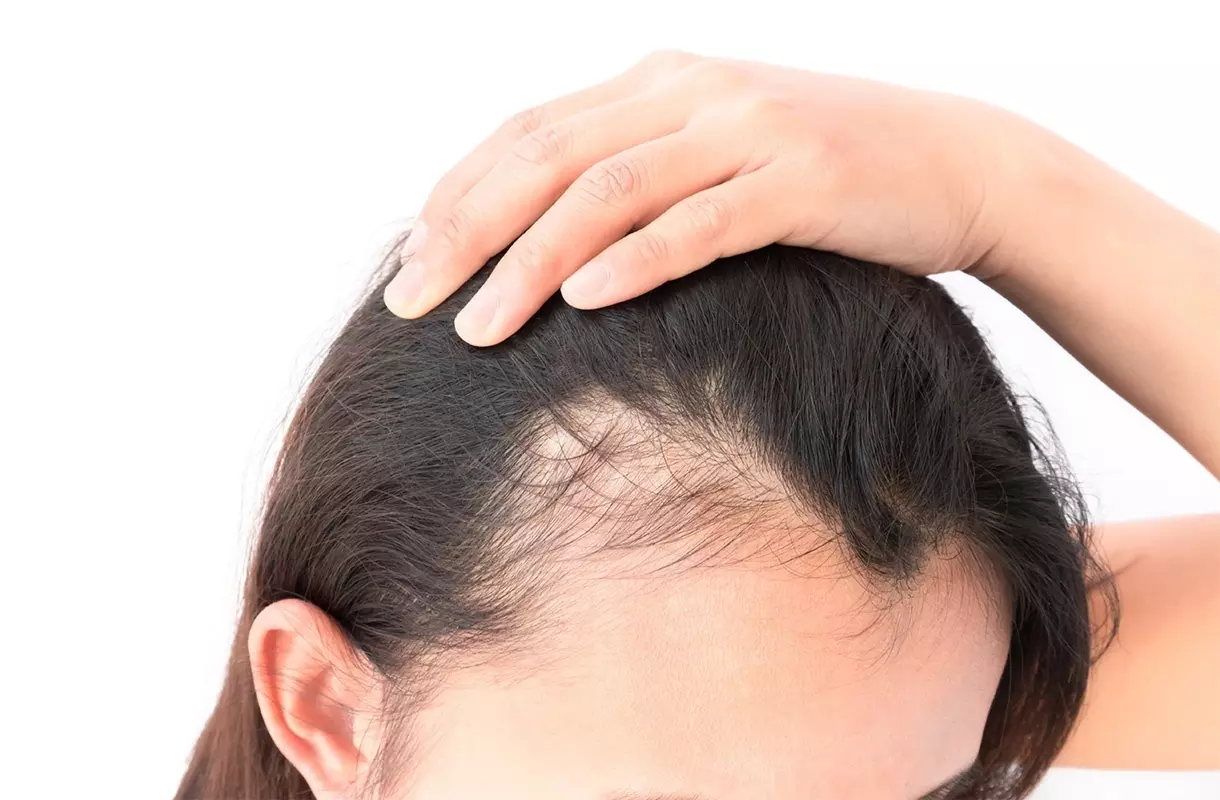
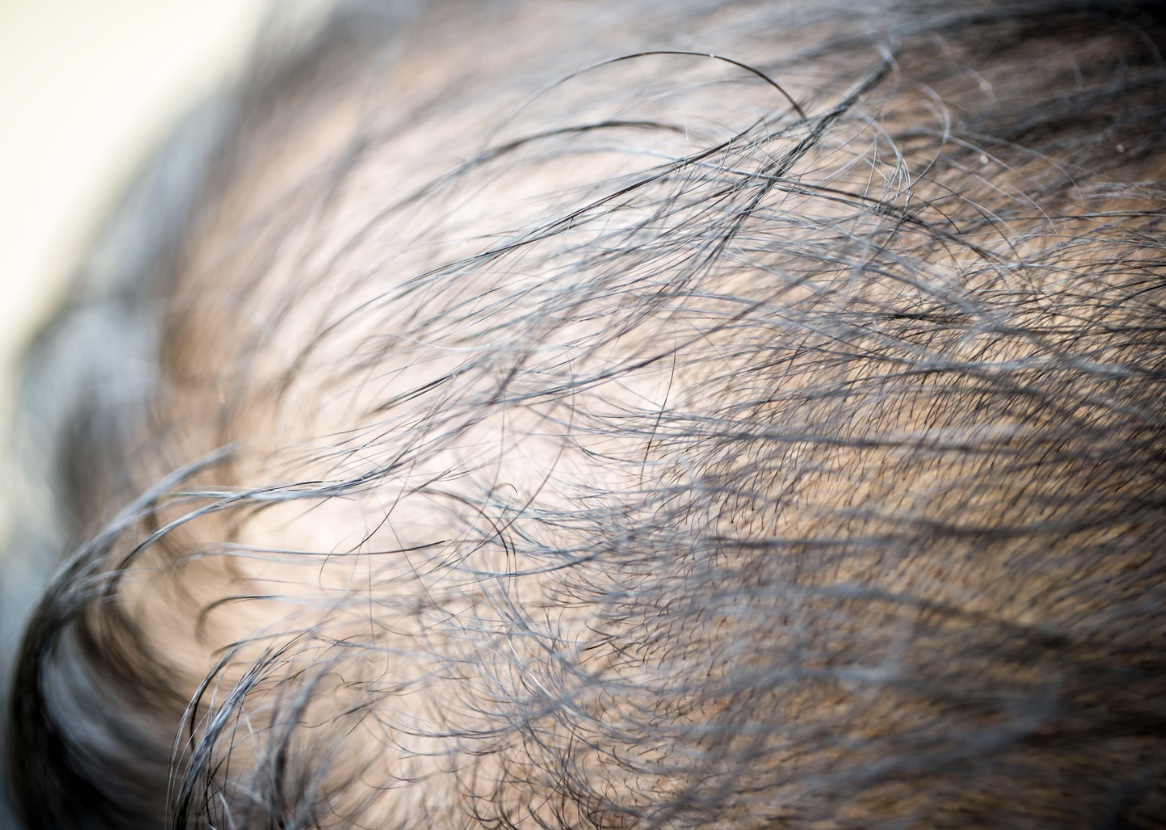
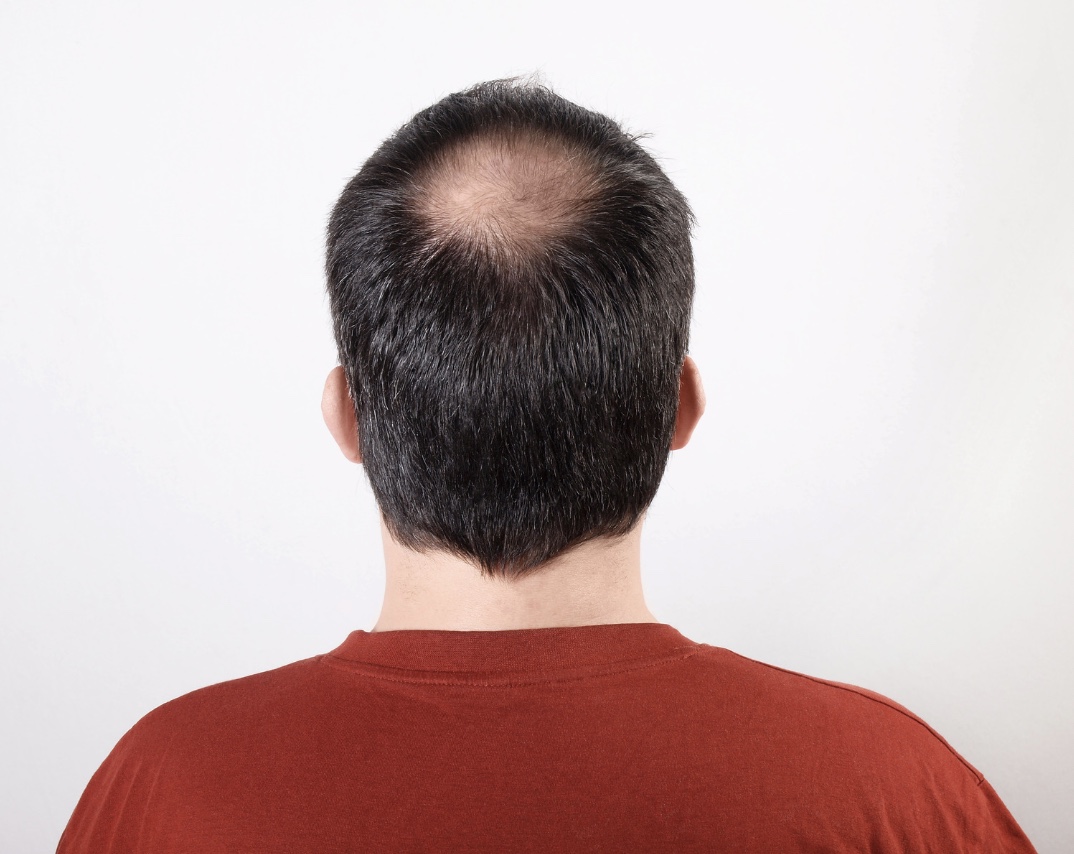
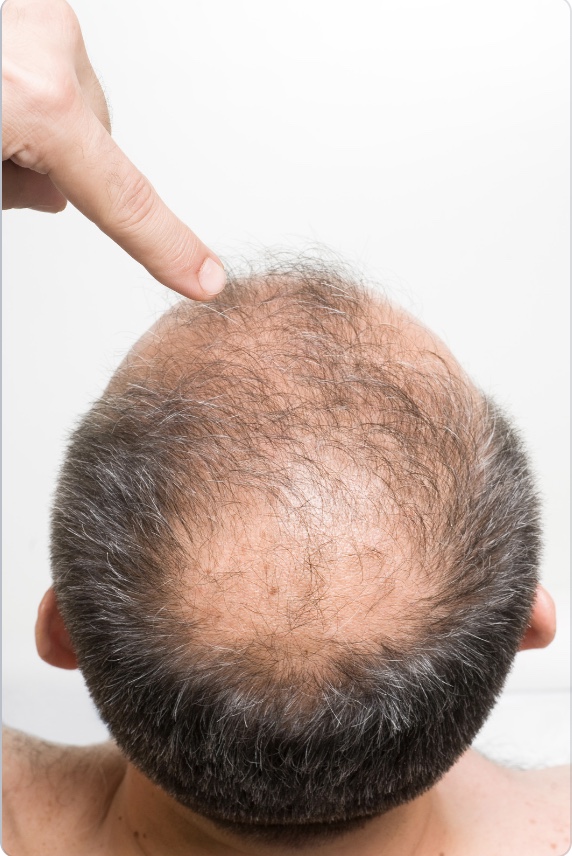
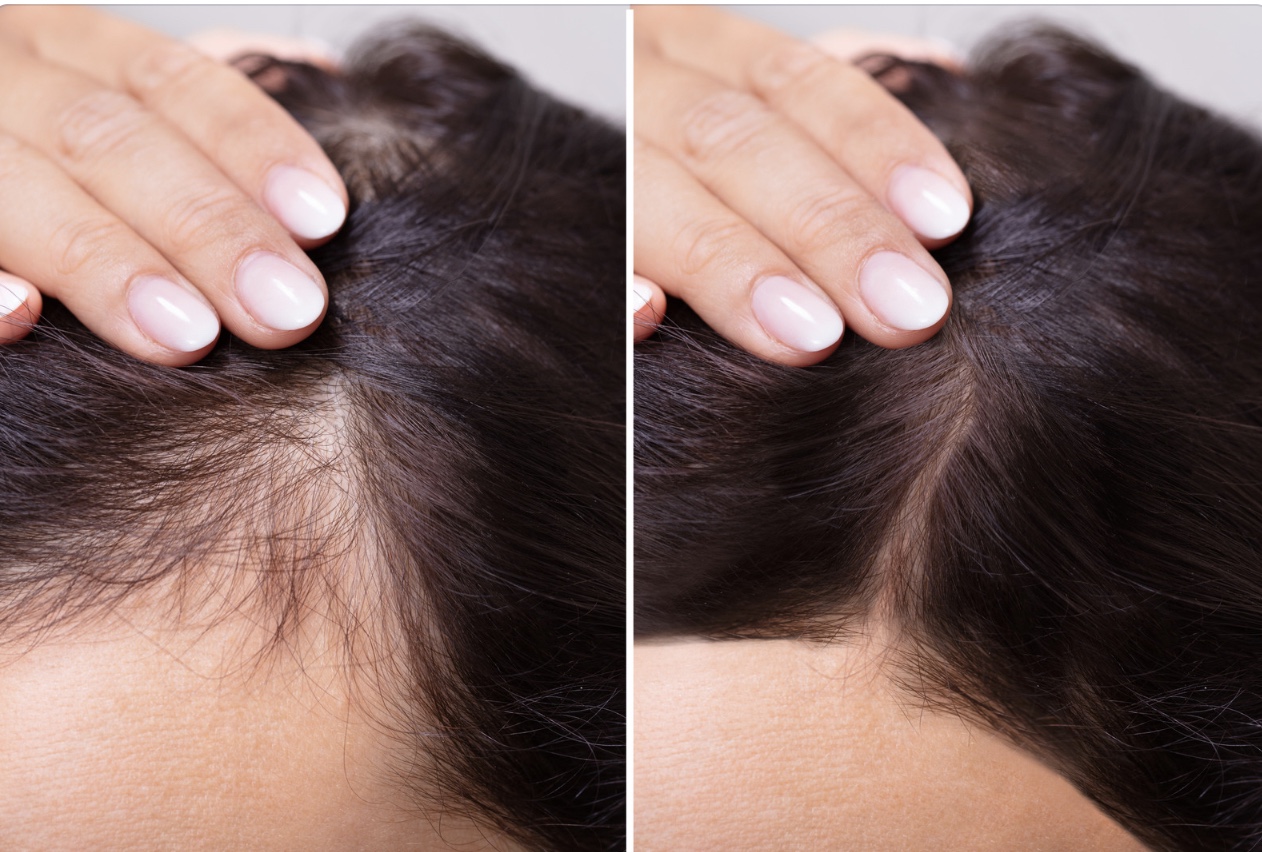
The most common cause of Hair Loss is due to genetics, which can affect both men and women. Hair Loss in men usually starts as a receding hairline and thinning of the hair on the top of the head. For women however, hair thinning hair is over the entire scalp without a receding hairline.

Stress

Stress, both physical and emotional can cause a type of Hair Loss known as telogen effluvium. This is where hair enters the resting phase of growth (telogen phase). The results is an excessive amount of shedding of hair. This is usually only short term, with hair growth returning to normal once the stress has cleared.

Other medical conditions

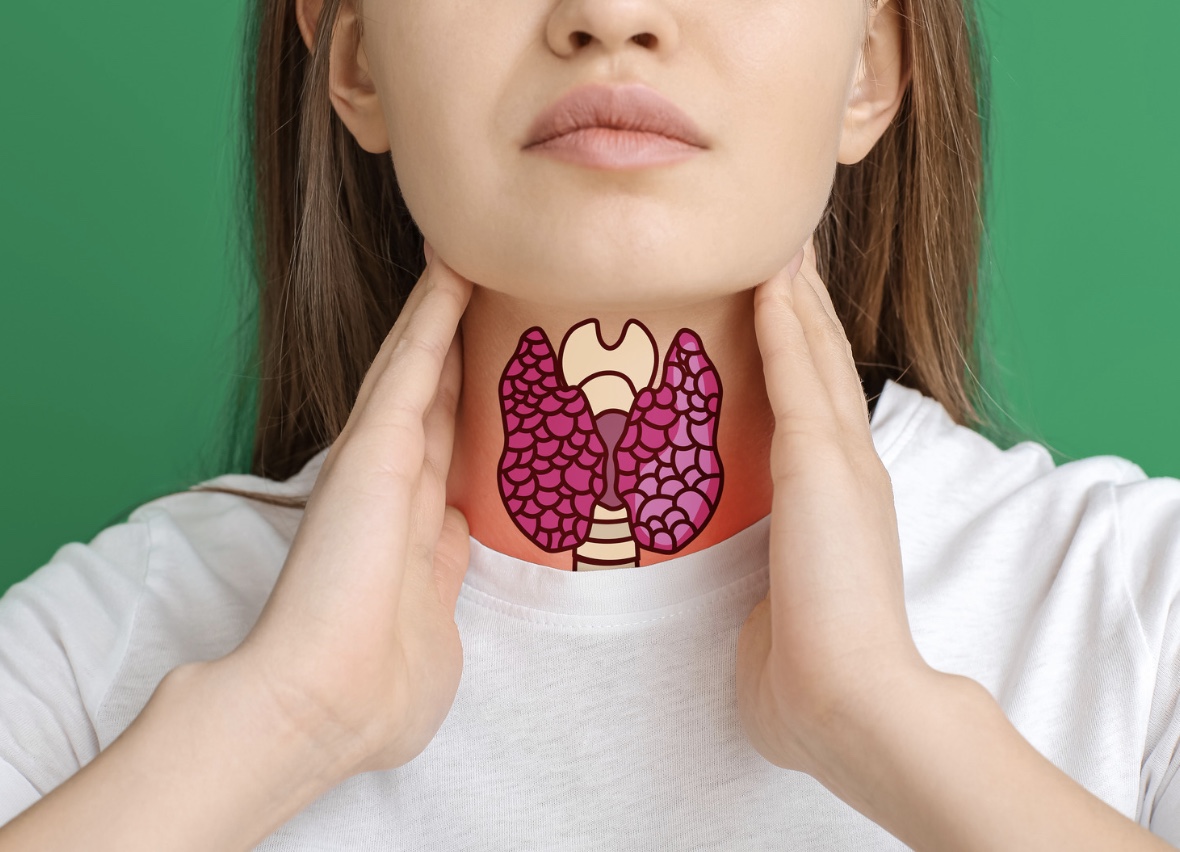
Hair Loss can be as a result of certain other medical conditions, such as autoimmune diseases like alopecia areata or lupus. Other conditions include changes in hormone levels, thyroid problems, ringworm of the scalp or anaemia. To treat the loss of hair, the underlying condition will need to be treated first.

Medications

Hair Loss can be a side effect when treated with certain medications. Medication for cancer treatment, high blood pressure, arthritis and depression are all known to cause Hair Loss.

Are there different types of Hair Loss?

There are different forms of Hair Loss, that depend on the cause and each individual person:

Androgenic Alopecia

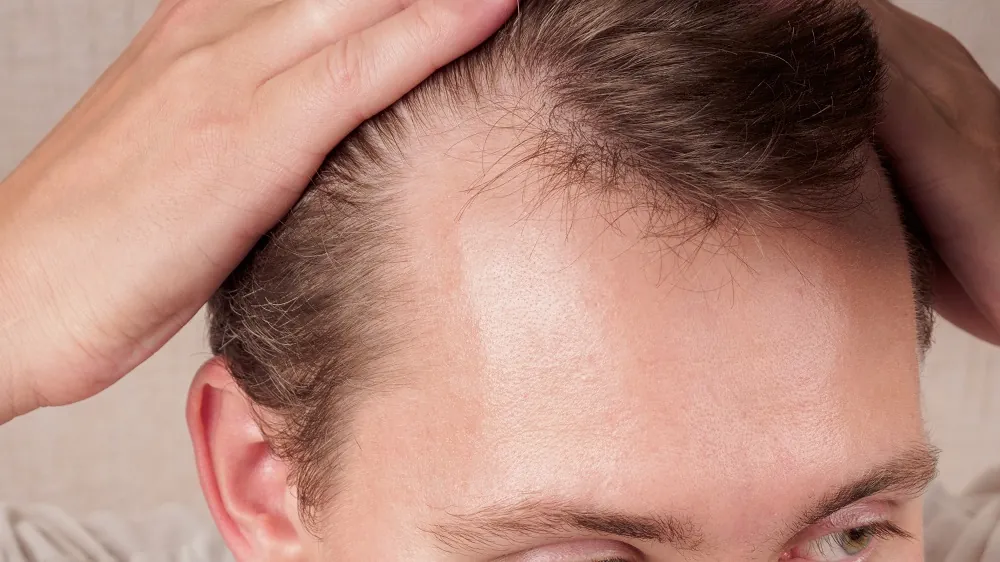
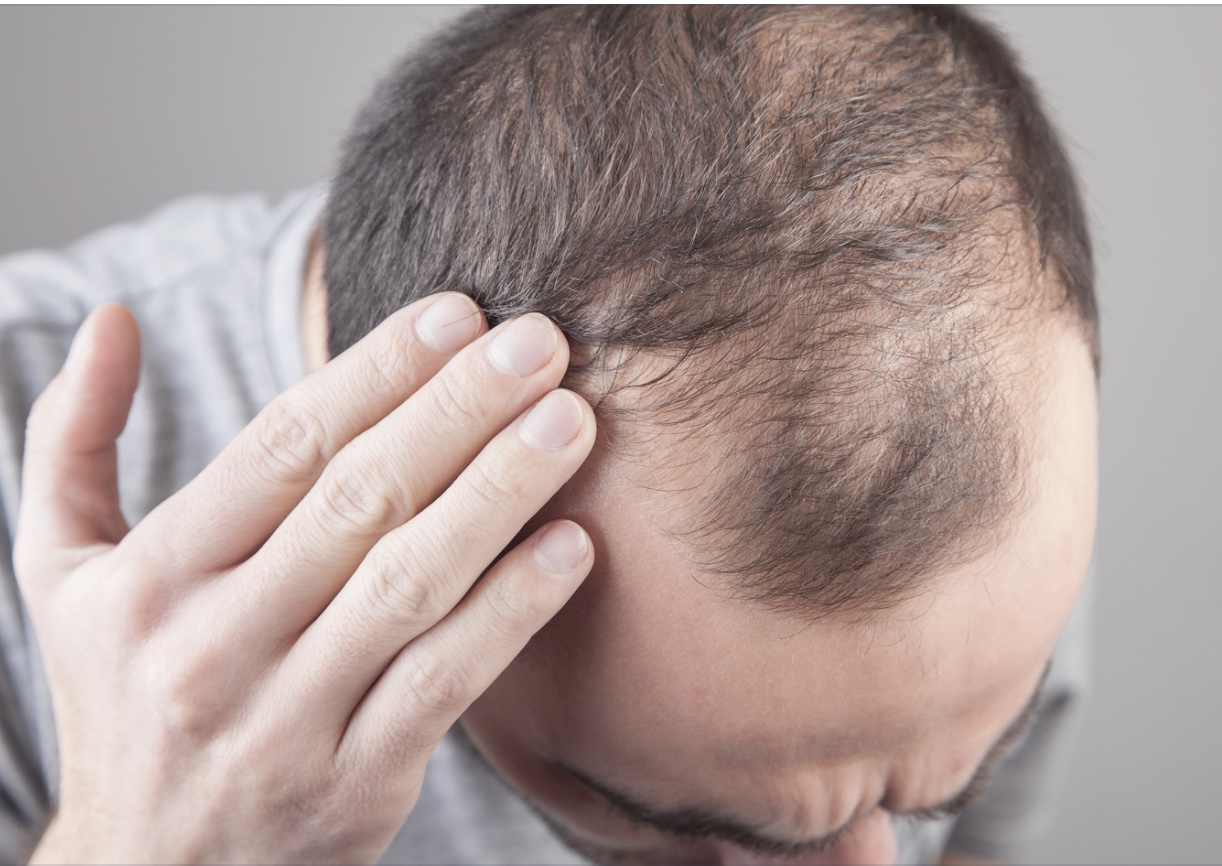
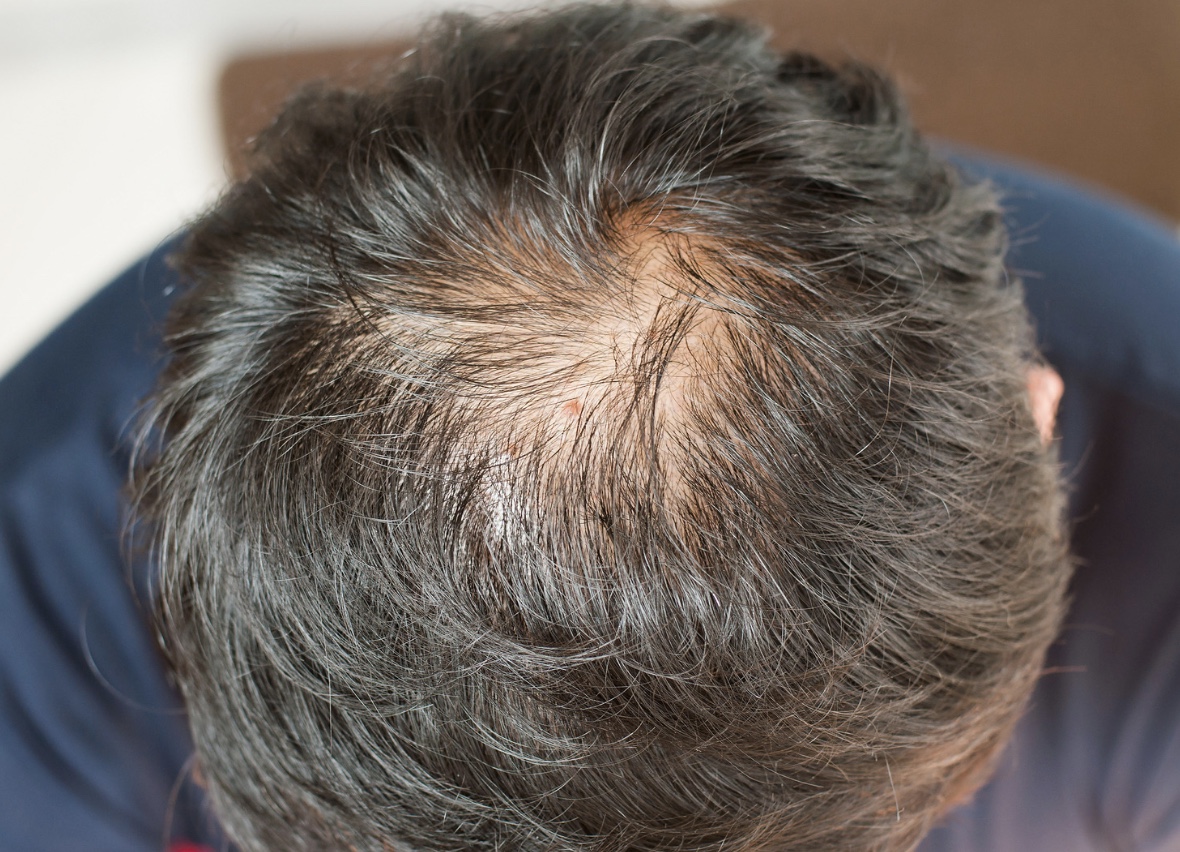
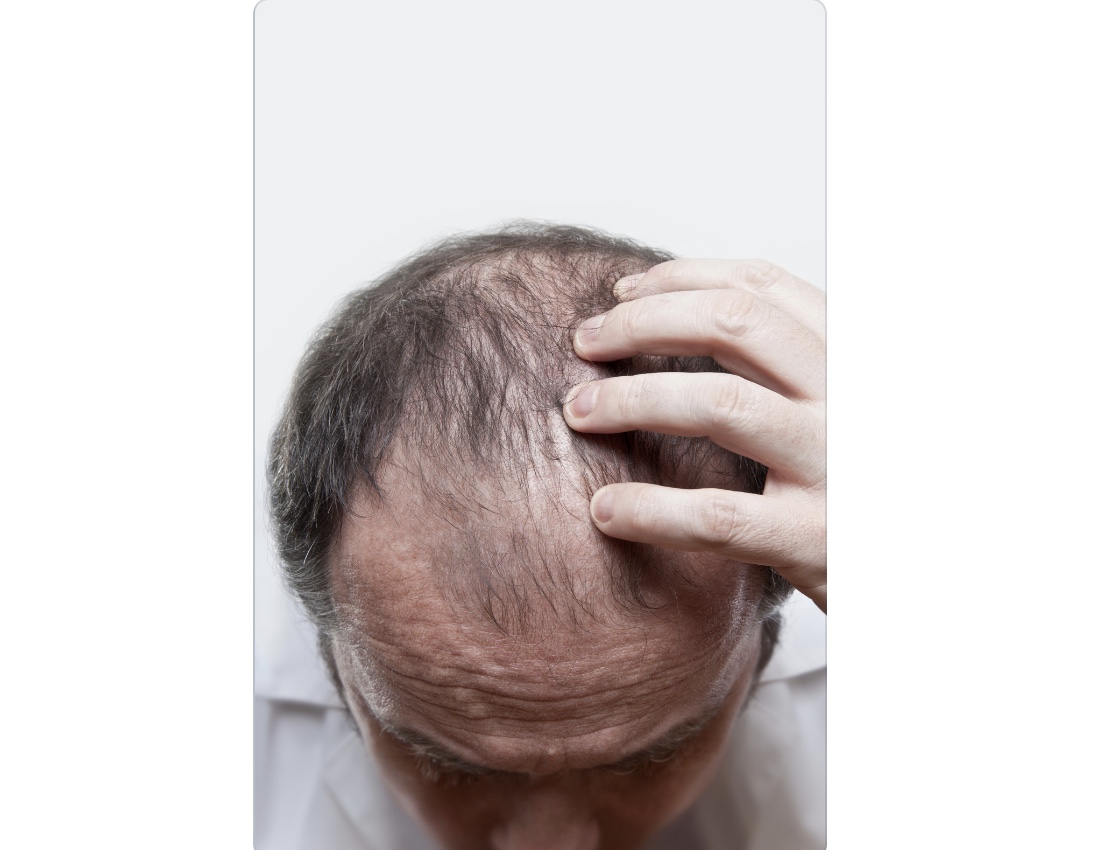
Androgenic alopecia is also known as male-pattern baldness or female-pattern baldness. This is the most common type of Hair Loss. It is genetic and tends to occur over a period of time. For men, it will start with a receding hairline and hair thinning at the crown. For women, the hair will thin over the entire scalp without a receding hairline.

Alopecia Areata

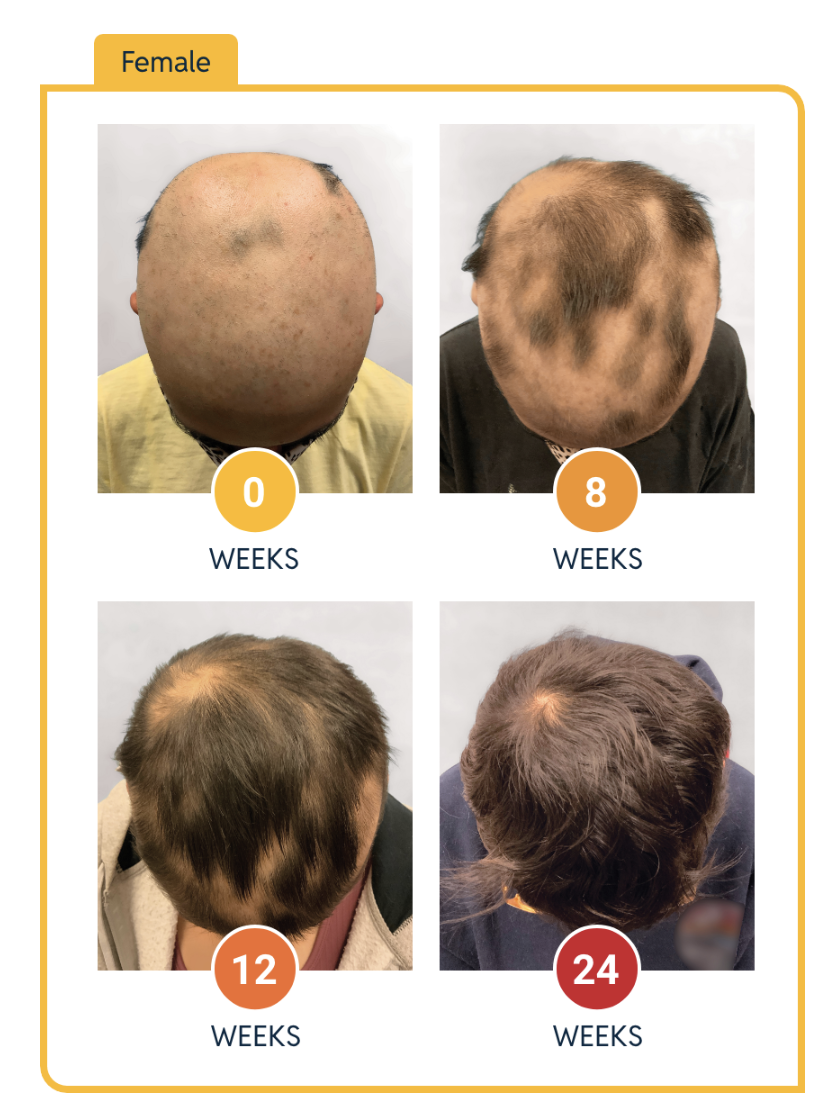
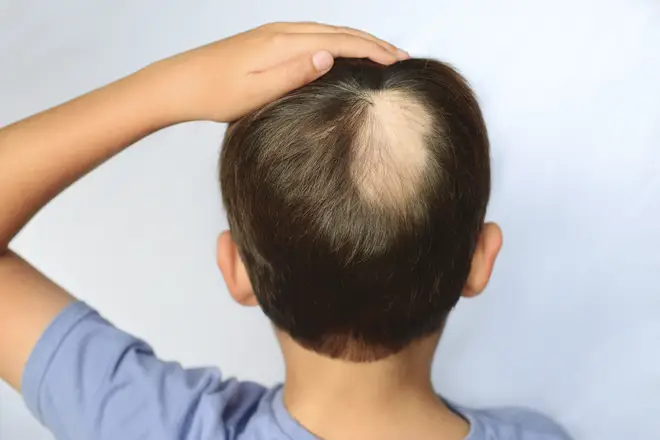
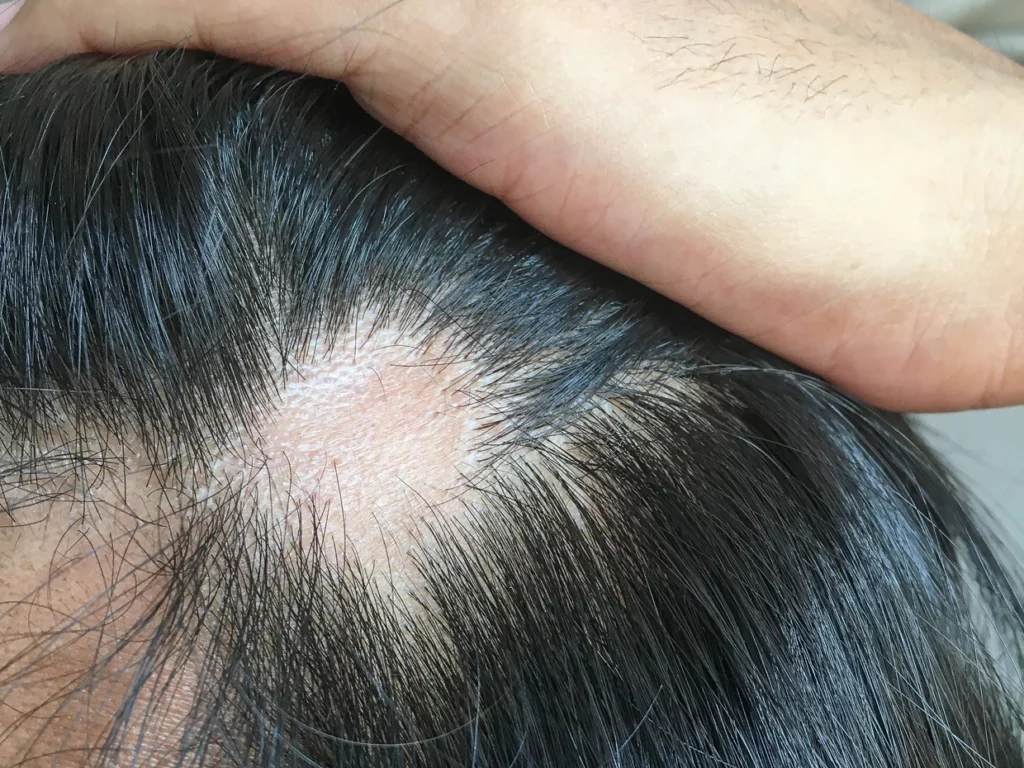
Alopecia areata appears as patchy Hair Loss, where the immune system attacks hair follicles, causing circular bald patches. Alopecia areata can lead to alopecia totalis, the total loss of hair on the scalp, or even alopecia universalis, the complete loss of hair from all parts of the body.

Telogen Effluvium

This type of Hair Loss occurs due to stress, changes in the balance of hormones, or certain medical conditions. It causes an increase in hair shedding and thinning. This type of Hair Loss is usually reversible, once the underlying issue is resolved.

Tinea Capitis

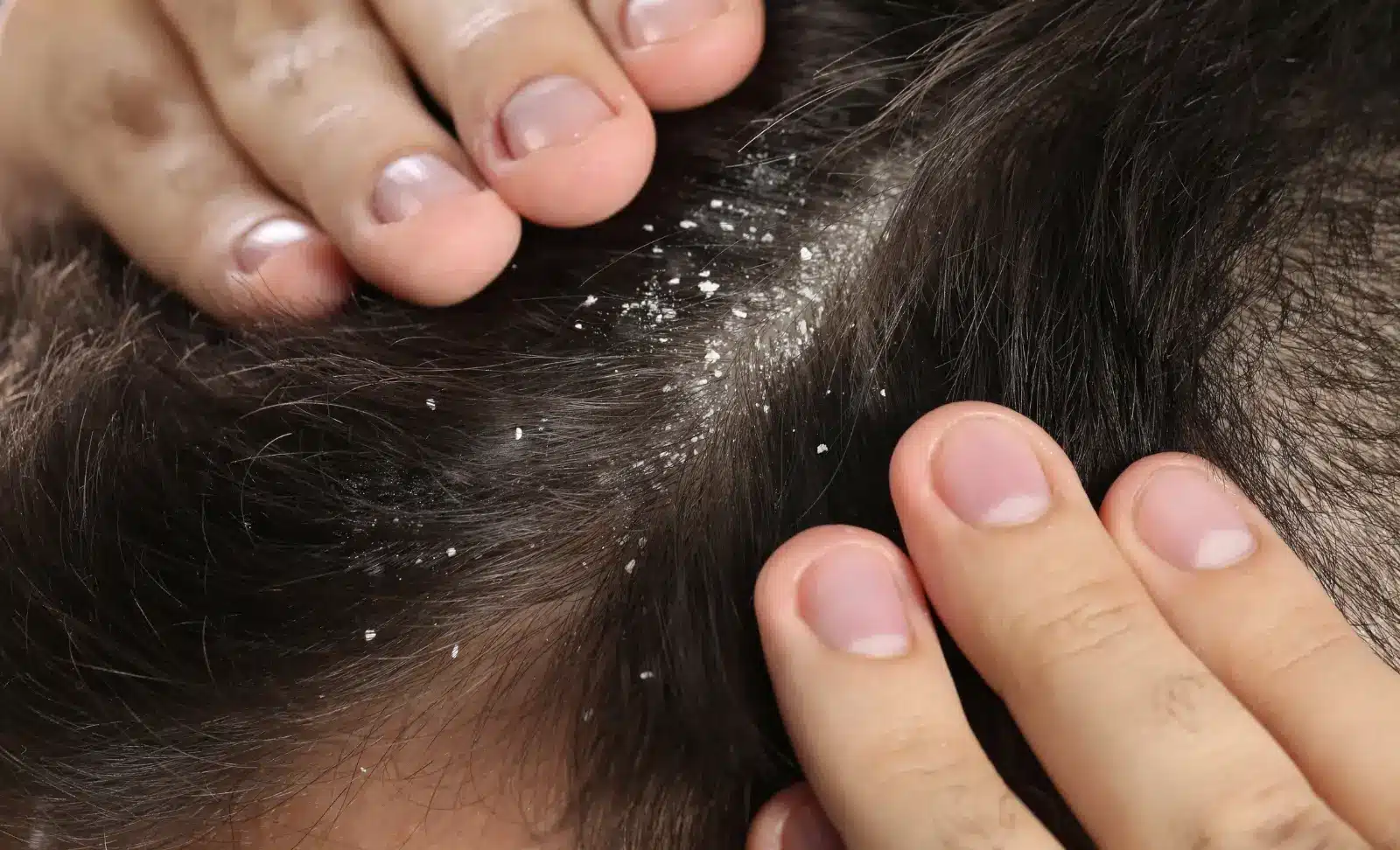
Tinea capitis (scalp ringworm), is a fungal infection of the scalp and shafts of hair. This will often result in patchy Hair Loss, as well as itching, redness and scaling. Treatment requires antifungal medications to manage the condition effectively.

Traction Alopecia

Traction Alopecia is caused by wearing your hair tightly in pigtails, ponytails, or braids. Colouring or perming your hair can also damage your hair, which may also lead to Hair Loss.

Trichotillomania

This is a disorder that normally begins around puberty and continues through adulthood. The loss of hair is caused by the compulsive pulling and bending of hairs, leading potentially to permanent Hair Loss.

Anagen effluvium

This type of rapid Hair Loss usually occurs due to medical treatments such as chemotherapy or radiation treatment.

Diagnosis of Hair Loss

Diagnosis will require an examination of your scalp, your medical history and family history. Blood tests may also be carried out to identify any medical conditions or deficiencies that may be contributing to your Hair Loss. A scalp biopsy of the hair follicles and scalp tissue may also be necessary.

Treatment options for Hair Loss

Medical treatment for Hair Loss depends on the underlying cause and the individual’s specific needs and preferences. Here are some common treatment options:

Medications

Minoxidil (Rogaine) is a medication commonly used for pattern baldness. It can help hair to regrow or slow down its loss. Finasteride is another medication for men that can also promote hair regrowth and slow down Hair Loss.

Hair transplant surgery

Hair transplants may be used in individuals who require a permanent solution to their Hair Loss. Hair follicles are transplanted to areas where the hair is thin from areas where the hair is not thin.

Laser therapy

Laser therapy uses red light to stimulate the hair follicles and promote hair growth. This form of treatment has shown promising results, but more research is needed to establish its full effectiveness.

Prevention and home care for Hair Loss

Lifestyle modifications and self-care can help maintain healthy hair, reducing the risk of Hair Loss.

Practice good Hair Care

Avoid excess heat styling, chemical treatments, and hairstyles that pull on the hair. Also, using wide-toothed combs and avoiding excessive hair brushing when the hair is wet.

Maintain a balanced diet

Vitamin and iron deficiencies have been linked to hair loss. Maintaining a well-balanced diet with supplements such as vitamins, minerals, and proteins, are essential for healthy hair. Make sure you include foods rich in zinc, iron, biotin, and omega-3 to support healthy hair.

Manage stress

Find ways to manage your stress. Relaxation techniques, exercise, and talking to family and friends can all help reduce stress levels and their impact on the health of your hair.

When to seek medical attention

Speak to a dermatologist or healthcare professional if you have significant Hair Loss or notice any concerning symptoms associated with Hair Loss. Signs that indicate you may need medical attention:

  • Rapid or severe Hair Loss
  • Patchy Hair Loss or bald spots
  • Pain or itching and Hair Loss
  • A change in the feel or appearance of your scalp
  • Hair Loss accompanied by weight gain, muscle weakness, or changes in your menstrual cycle

Frequently asked questions

Am I losing more hair than I should be?

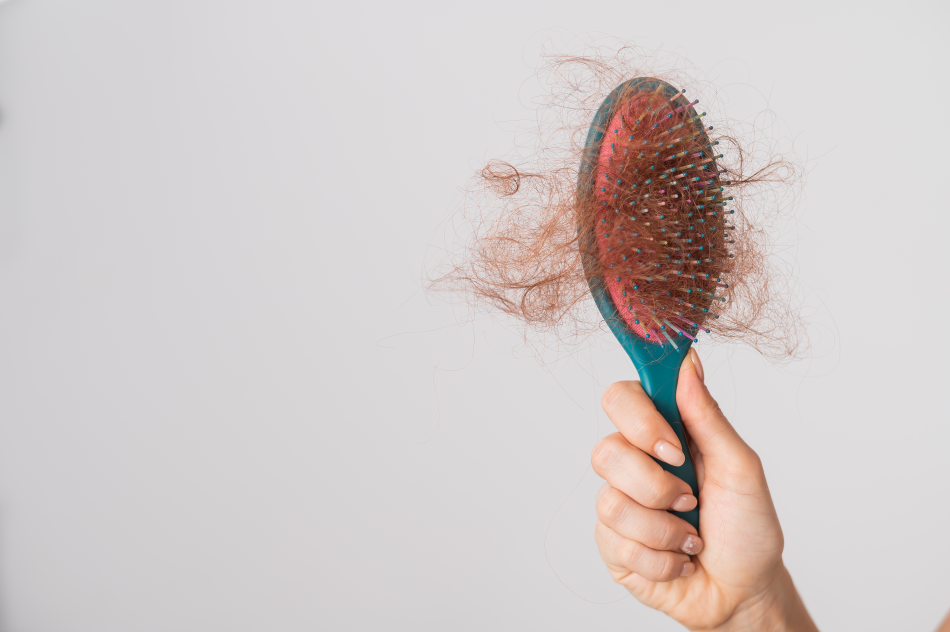
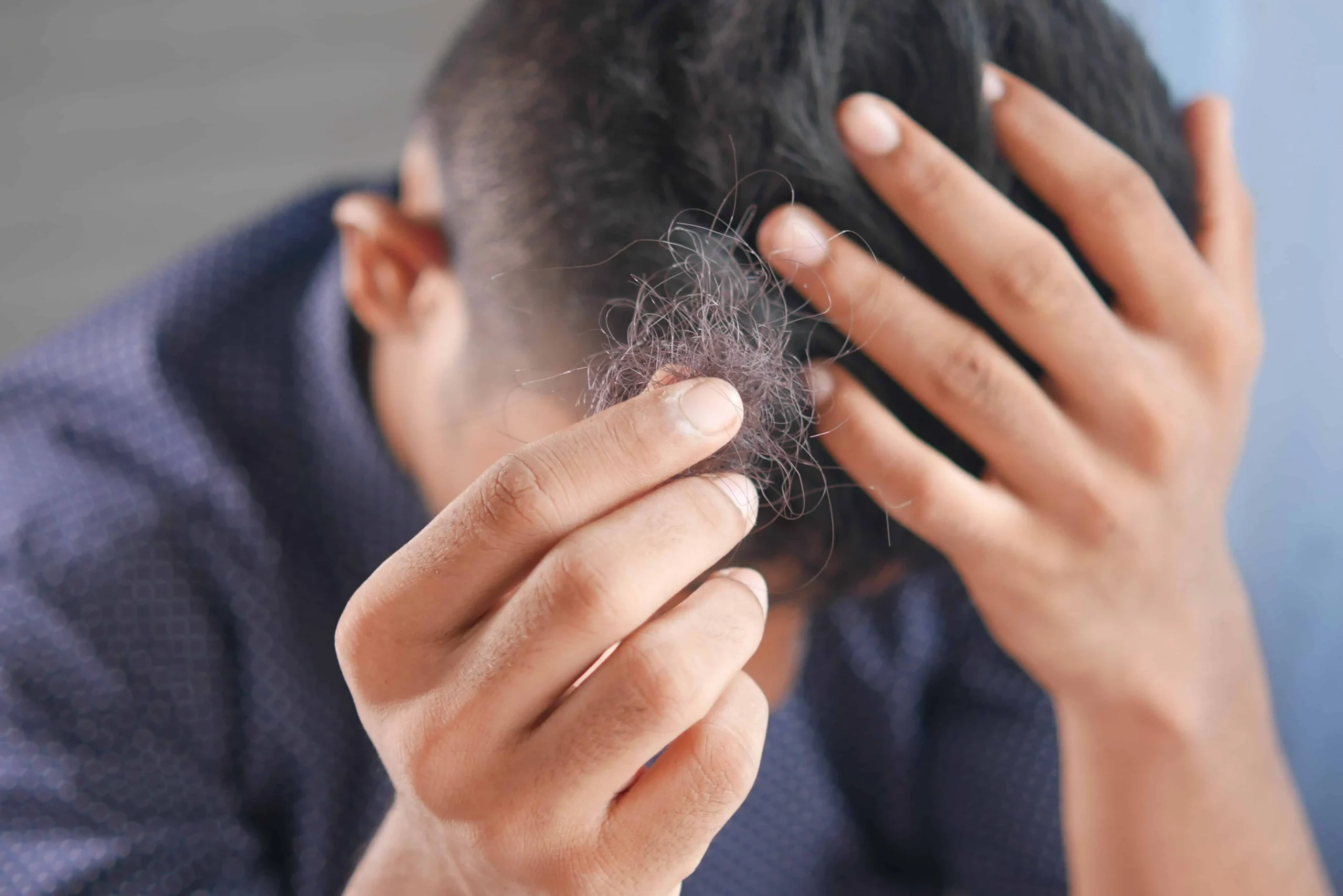
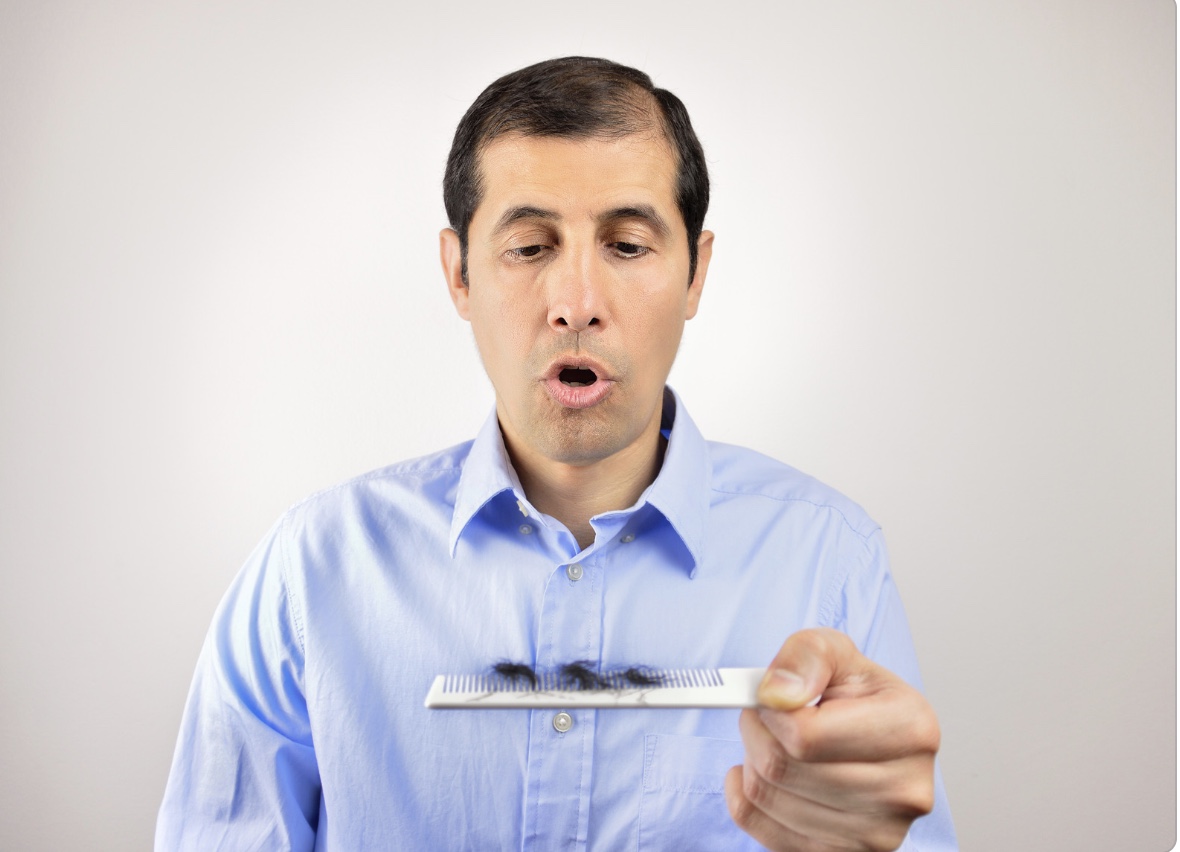
According to the American Academy of Dermatology, individuals can lose between 50 to 100 strands of hair per day. However, certain factors can contribute to increased hair shedding. If you notice excessive hair shedding it’s important to consult with a specialist who can assess your situation.

How do I know if my Hair Loss is due to male pattern baldness?

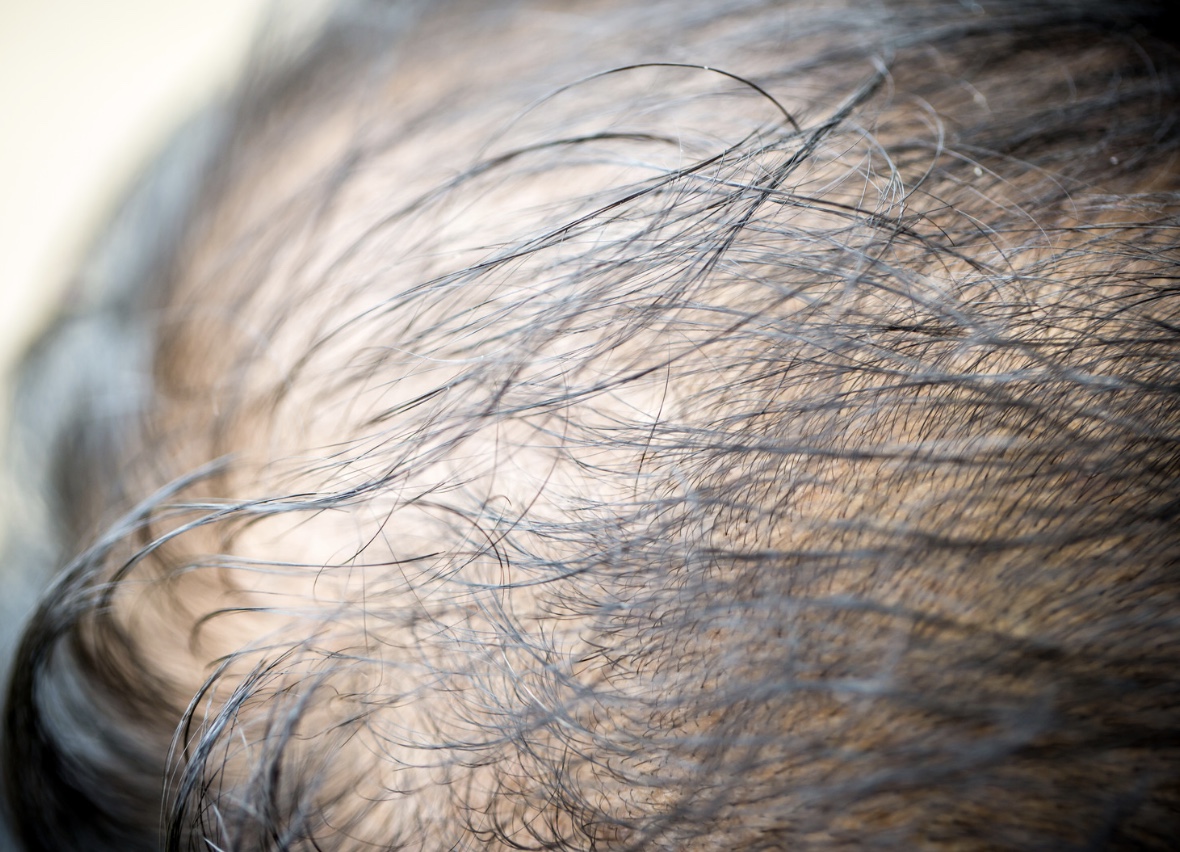
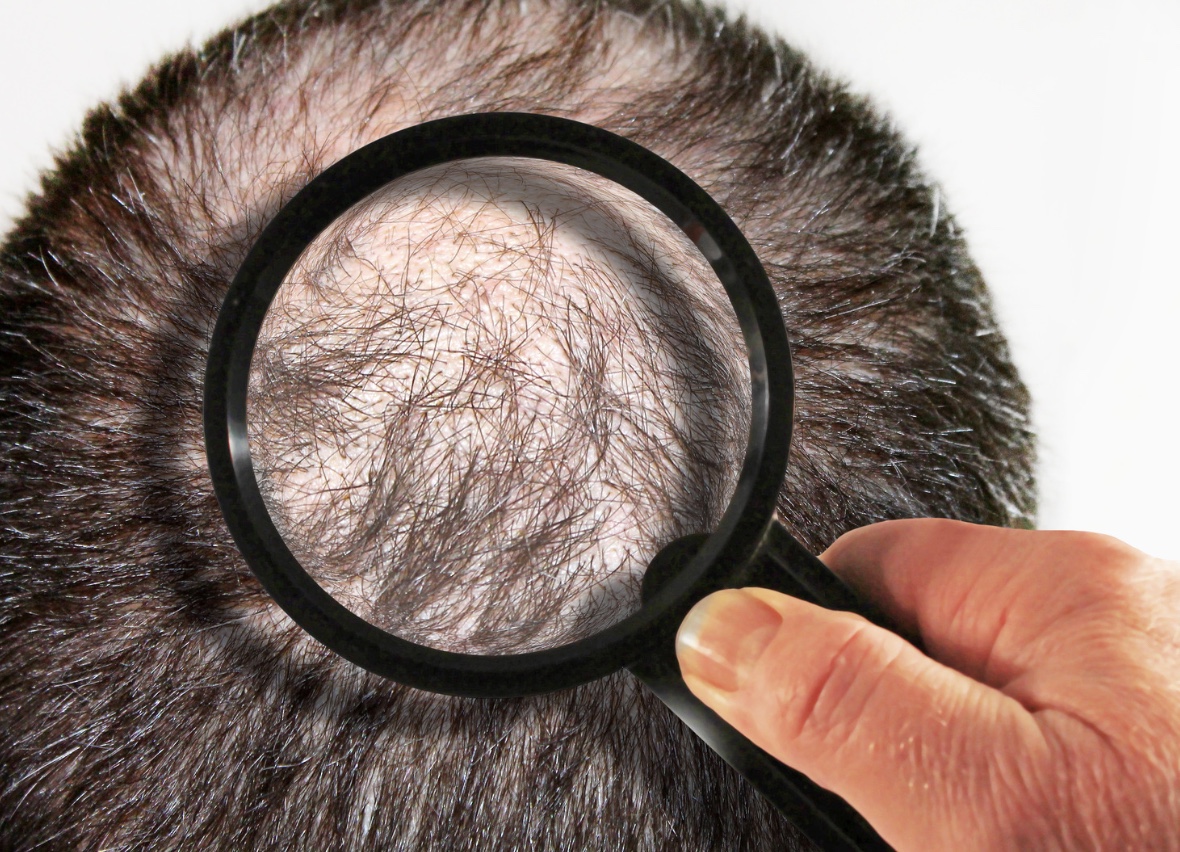
Male pattern baldness (androgenetic alopecia), is characterised by a gradual thinning of the hair on the top of the head and at the temples, leading to a receding hairline and bald patches.

How can I stop my male pattern baldness?

If you start treatment early you can slow it down and save your existing hair. Minoxidil and finasteride will stimulate hair growth and prevent any more Hair Loss.

Can my birth control pill cause Hair Loss?

Yes. Some birth control pills can cause Hair Loss and disrupt normal hair growth, leading to increased shedding of your hair.

How long will minoxidil take to work?

Minoxidil may take several months before you see results. You will need to be patient when using Hair Loss treatments.

Conclusion

Hair Loss can affect your self-esteem and how you feel about yourself, but by having healthy hair care routines and appropriate treatment, you can regain your confidence and hair. Talk to an expert for help and advice about a treatment plan.

Sources

Related Articles

Your health shouldn’t wait.

Consultations, prescriptions, medication delivery, health monitoring – all in one place.

What customers love about NowPatient
Wow! Excellent customer service. I submitted an email query, had a call…

Alison Hurst

I do not leave reviews, due to time and a rare condition I have. I…

Sherry M

Great experience getting the med. Clinician was very thorough.

Barbara Hill

Cannot speak highly enough of the service and assistance I have…

CJH

Very good experience - the clinician asked intelligent questions about…

Phil Daoust

Really excellent. Very thorough and professional pharmacist who guided…

Colin Glass

Excellent4.9 out of 5Trustpilot

Meet our medical team

We are a broad skilled and passionate group of clinicians with experience of operating in regulated health systems in the United Kingdom & United States. Providing excellent care and advice is at the heart of everything we do.