

Wow! Excellent customer service. I submitted an email query, had a call…
Alison Hurst
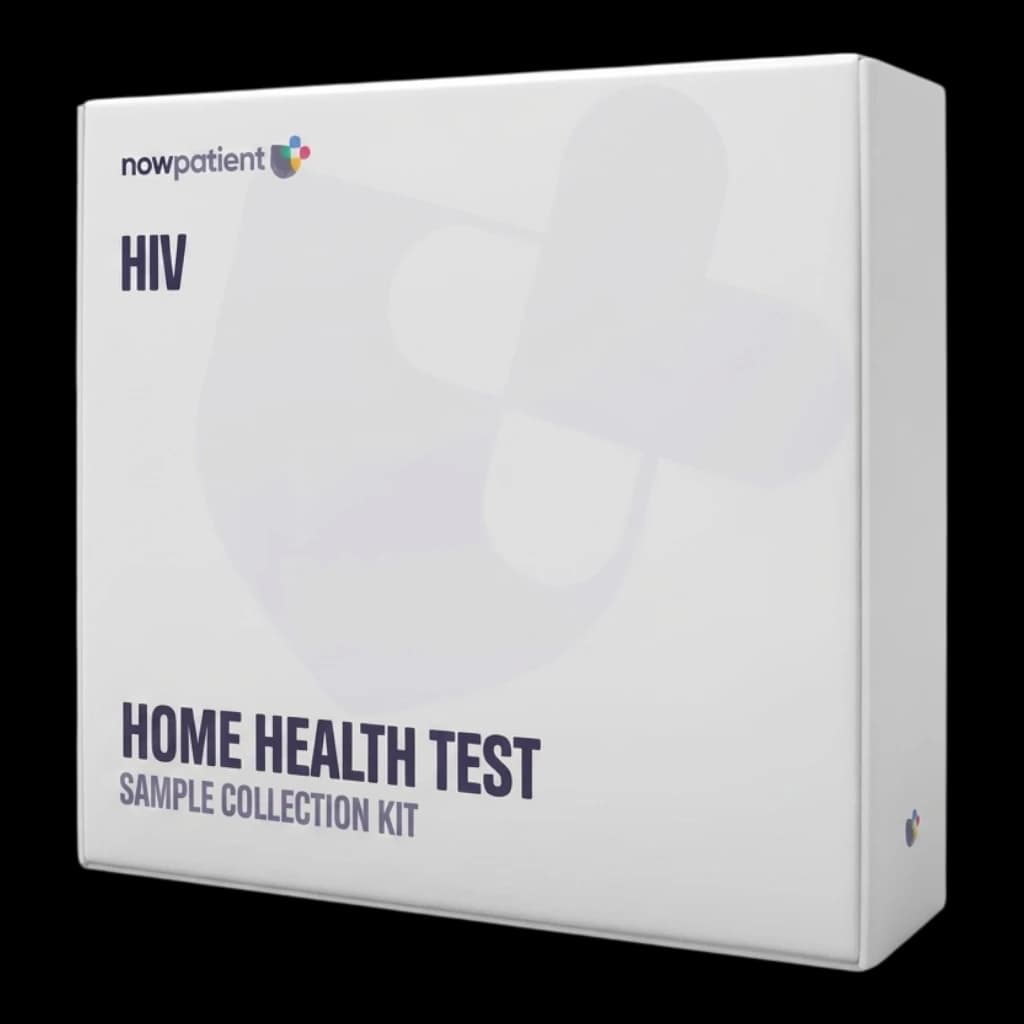
Worried and anxious that you may have been exposed to someone with HIV? You can use our HIV home blood test kit in the comfort of your own home, using our finger-prick test kit. We’ll send you everything you need, including instructions and a pre-paid return envelope for your blood sample. Order your at-home blood test kit now.
HIV (human immunodeficiency virus) is a viral sexually transmitted infection usually caught during unprotected vaginal or anal sex with an infected sexual partner. HIV can also be transmitted through blood by sharing needles. Also, a mother can pass it on to her baby during pregnancy or in breast milk.
HIV attacks your immune system, weakening your ability to fight infections and illness. If untreated, it may lead to the development of acquired immune deficiency syndrome (AIDS).
You should take an HIV test if you are at risk of HIV infection. This may be if you have had unprotected sex or possible exposure to HIV in another way.
The HIV test will look for HIV antibodies and p24 antigens in the blood. HIV antibodies are produced by the immune system when you have a HIV type 1 or type 2 infection. P24 antigen is a protein from the HIV virus, found during the initial HIV infection.
Our finger-prick HIV blood test can be taken from 4 weeks after exposure, in your own home. The test should be repeated at 12 weeks post-exposure to confirm the results. We’ll send you everything you need, including instructions and a pre-paid return envelope for your blood sample.
At-home HIV screening kits are reliable, however:
Rapid HIV home test kits use a finger prick or oral fluid sample and provide results within minutes. Mail-in HIV home test kits use a sample of blood that is sent to a lab for testing. Results are normally available within 2 to 5 days.
HIV tests are not 100% accurate. Around 0.5% of people not infected will have a false positive result. False HIV-negative results are most common during the first few weeks after HIV infection. After 3 months, HIV tests are more than 99.97% accurate. Many HIV tests give a negative result to 99% of people who do not have HIV.
The window period is the time between exposure and when a test can detect the infection. This will depend on the type of HIV test and how the sample is collected.
A single HIV test 4 weeks after exposure is normally enough for most people to detect an infection. Individuals with high-risk behaviour may need more frequent testing.
Your HIV self-test results will be available within one working day of receiving your sample at the laboratory.
Yes. The HIV test will look for HIV antibodies produced by the immune system when you have an HIV type 1 or type 2 infection.
If your HIV diagnosis is HIV positive, the lab will conduct further tests. If you think you have recently been exposed to HIV and need post-exposure prophylaxis, visit your nearest sexual health clinic or A&E, to speak to a healthcare provider as soon as possible for HIV treatment.
Consultations, prescriptions, medication delivery, health monitoring – all in one place.
We are a broad skilled and passionate group of clinicians with experience of operating in regulated health systems in the United Kingdom & United States. Providing excellent care and advice is at the heart of everything we do.