

Wow! Excellent customer service. I submitted an email query, had a call…
Alison Hurst
Do you suffer from allergies, which develop quickly after being exposed to certain foods? Our food allergy test kit can check if you have an allergy to Codfish, Cow’s milk, Egg white, Egg yolk, Kiwi, Peanut, Sesame, Soya, or Wheat. Get peace of mind by getting tested today, in the comfort of your own home.
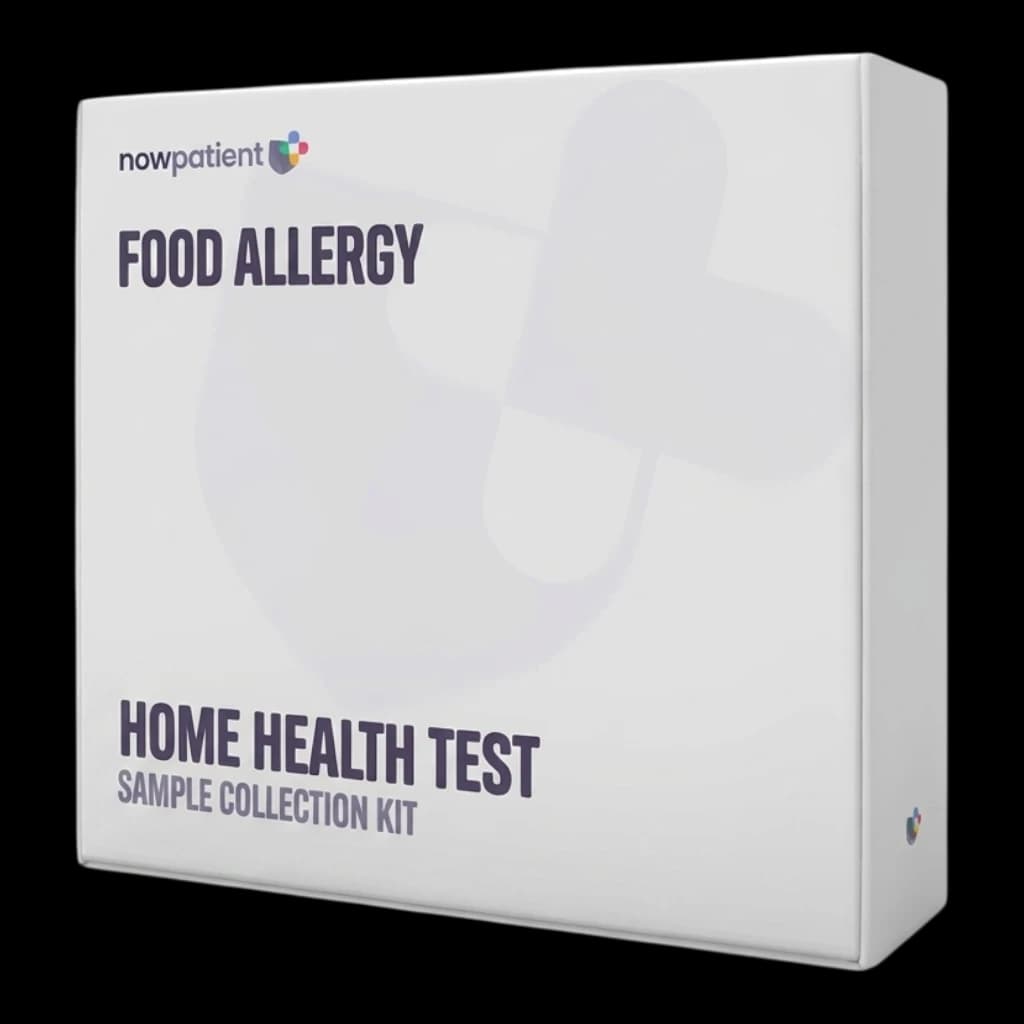
Immunoglobulins and antibodies normally help your immune system fight against bacteria and viruses. In some people, however, the immune system may overreact to normally harmless allergens, such as food, and produce immunoglobulin E (IgE), causing irritation to the nose, lungs, throat and skin. This specific IgE antibody test will provide results for your total IgE as well as for Codfish, Cow’s milk, Egg white, Egg yolk, Kiwi, Peanut, Sesame, Soya and Wheat IgE-related allergies.
When choosing a food allergy test kit, you should consider how the sample is taken, how safe the test is, turnaround times for your results and how expensive the test is.
At-home food sensitivity test kits have limited accuracy. 50–60% of positive results will identify proteins that are not actually causing an allergic reaction. However, home tests are about 95% accurate for negative results. If necessary, an oral food challenge will confirm any foods that are causing a problem.
The Food Allergy test is used for an initial investigation if you have allergy symptoms, such as hives, swelling of your lips or face, bloating, abdominal pain, vomiting, or skin rashes, which develop quickly after being exposed to specific allergens. In more extreme cases, food allergies can cause severe allergic reactions such as anaphylaxis, which requires immediate medical attention.
Common food allergy tests in the UK include the:
The difference between food allergies and food intolerances is that food allergies affect the immune system, while food intolerances don’t. A food allergy is an allergic reaction to a usually harmless food, while a food intolerance is a reaction to a food that occurs when the body has difficulty digesting it or the food irritates the digestive system. Food intolerances can be caused by gluten, histamine, and caffeine. Symptoms include nausea, cramps, stomach pain, diarrhoea and headaches. Your healthcare provider can carry out food allergy or food intolerance tests to determine if you have a food allergy or food intolerance.
If you think your child has a food allergy, you should speak to a GP, paediatrician, health visitor, or dietitian. Your child may need a referral for either a blood test, skin-prick test, oral food challenge, or trial elimination diet.
Consultations, prescriptions, medication delivery, health monitoring – all in one place.
We are a broad skilled and passionate group of clinicians with experience of operating in regulated health systems in the United Kingdom & United States. Providing excellent care and advice is at the heart of everything we do.