Obesity is a prevalent and complex metabolic condition that poses significant health risks globally. In recent years, the landscape of obesity treatment has been rapidly evolving, with the emergence of new drugs that target the neuroendocrine mechanisms underlying this chronic disease. Two such promising medications, Ozempic (semaglutide) and retatrutide, have gained considerable attention for their potential to facilitate substantial weight loss. While both drugs leverage the body’s natural hormone-based regulation of energy homeostasis, it is crucial to distinguish these two therapies.
Understanding Ozempic (semaglutide)§
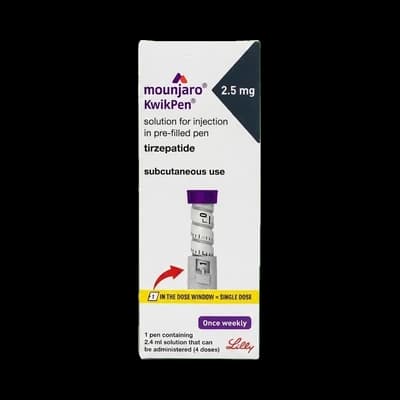
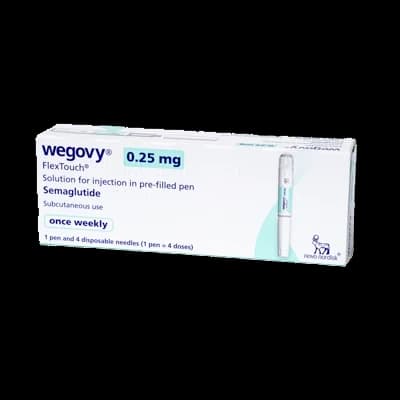
Eli Lilly’s brand name drug Ozempic, also known as semaglutide, is a glucagon-like peptide-1 (GLP-1) receptor agonist that has been approved for the treatment of both type 2 diabetes and obesity. This medication mimics the actions of the natural hormone GLP-1, which plays a key role in regulating blood sugar levels, appetite, and energy expenditure. Ozempic has shown weight loss results in clinical trials, with participants achieving significant reductions in body weight and improvements in cardiometabolic risk factors. Wegovy and Mounjaro are other GLP-1 drugs like Ozempic.
Mechanism of action
Ozempic binds to and activates the GLP-1 receptor, leading to a series of physiological effects. This includes stimulating insulin secretion, suppressing glucagon release, slowing gastric emptying, and promoting a sense of fullness, all of which contribute to its efficacy in managing obesity and type 2 diabetes.
Dosing and administration
Ozempic is a weekly injection, with the dosage typically starting at 0.25 mg, increasing up to a maximum of 2.4 mg based on individual response and tolerability. The gradual dose increase helps reduce the potential for gastrointestinal side effects, which are commonly observed with GLP-1 receptor agonists.
Efficacy and safety
In clinical trials, individuals taking Ozempic have been shown to reduce 15-20 per cent of their body weight. Additionally, the medication has been associated with improvements in various cardiometabolic parameters, such as blood pressure, lipid profiles, and glycemic control. Ozempic is generally well-tolerated, with the most common side effects being gastrointestinal, including nausea, diarrhoea, and vomiting.
Introducing retatrutide
Retatrutide, also known as LY3437943, is a novel triple-hormone receptor agonist that targets the glucose-dependent insulinotropic polypeptide (GIP), glucagon-like peptide-1 (GLP-1), and glucagon (GCG) receptors. This unique mechanism of action sets retatrutide apart from traditional weight loss drugs as it aims to target all three of these key hormones involved in glucose regulation.
Mechanism of action
Retatrutide activates the GIP, GLP-1, and GCG receptors simultaneously, which may lead to better weight loss and cardiometabolic benefits compared to targeting a single receptor. GIP is involved in glucose and lipid metabolism, GLP-1 regulates insulin secretion and appetite, and GCG plays a role in energy expenditure and substrate utilisation.
Dosing and administration
Retatrutide is administered subcutaneously once weekly, with dosing regimens ranging from 1 mg to 12 mg. For higher doses (4 mg and above), the medication is typically started at a lower dose (2 mg or 4 mg) and gradually built up to reduce the potential for gastrointestinal side effects.
Efficacy and safety
In clinical trials, patients taking retatrutide have shown an average weight loss reduction of up to 24% from baseline body weight. The medication has also been associated with improvements in various cardiometabolic parameters, including blood pressure, glycemic control, and lipid profiles. While retatrutide shares some common side effects with GLP-1 receptor agonists, such as gastrointestinal events, the frequency and severity of these adverse events appear to be dose-dependent and can be partially mitigated by the use of a lower starting dose.
Key differences between Ozempic and retatrutide
The primary distinction between Ozempic and retatrutide lies in their mechanism of action. Ozempic is a GLP-1 receptor agonist, while retatrutide is a triple-hormone receptor agonist, targeting GIP, GLP-1, and GCG simultaneously. This difference in receptor activation may contribute to the variations in weight loss and cardiometabolic outcomes between the two medications.
Magnitude of weight loss
Clinical trials have reported that retatrutide can facilitate more substantial weight loss compared to Ozempic, with participants achieving average reductions of up to 24% of their baseline body weight. In contrast, Ozempic has been associated with average weight losses of 15-20% in similar study populations.
Cardiometabolic benefits
Both Ozempic and retatrutide have demonstrated improvements in various cardiometabolic risk factors, such as blood pressure, lipid profiles, and glycemic control. However, the triple-hormone receptor agonism of retatrutide may bring additional benefits, potentially leading to more improvements in these parameters.
Safety and tolerability
While both medications share common side effects, such as gastrointestinal issues, and constipation. The frequency and severity of these events may differ. Retatrutide has shown a dose-dependent profile, with higher doses associated with a higher incidence of gastrointestinal events. The use of a lower starting dose for retatrutide can be a way to reduce these side effects.
Personalised approach to weight management
As with any medical intervention, the response to Ozempic, retatrutide, and other weight loss medications can vary among individuals. Understanding the factors that influence an individual’s response, such as baseline BMI, sex, and comorbidities, will be crucial in guiding the selection of the most appropriate treatment approach.
Research and future developments
The promising results from the phase 2 trial of retatrutide have paved the way for further investigation in larger, phase 3 clinical trials. These studies will provide valuable insights into the long-term efficacy, safety, and tolerability of this triple-hormone receptor agonist, as well as its potential impact on cardiovascular outcomes.
Conclusion
As the obesity epidemic continues to be a significant global health challenge, new weight loss drugs like retatrutide represent a significant advancement in the field of obesity management. While Ozempic and retatrutide share the common goal of weight loss and improving cardiometabolic health, the unique triple-hormone receptor agonism of retatrutide sets it apart, offering the potential for more substantial and sustained weight reduction.
Sources
About NowPatient's Editorial Process
- Written by clinical authors
- Reviewed every 2 years
- Conflicts of interest declared
NowPatient's medical content is selected by a panel of practising clinicians (pharmacists, doctors and allied healthcare professionals) and researched by an in-house team of writers who all hold scientific or clinical backgrounds. Sponsorship and conflicts of interest are openly declared.
Every article is peer-reviewed by a clinician for clinical accuracy, evidence base and accessibility, including consideration of the particular characteristics set out in the UK Equality Act 2010. Only then is it released for publication against fixed placement guidelines.
All content is cycle reviewed (typically every two years) and updated sooner if evidence, guidelines or a complaint require it. Changes follow a formal change control procedure and are reflected in the "last updated" date on each article. NowPatient is governed by MiHealth; UK pharmacy services are provided by MiHealth Pharmacy (GPhC 1036487).